


Introduction: Bologna’s Medieval Towers — Stone and Legend
Perched in the heart of Emilia-Romagna, Bologna is often celebrated for its endless arcades, legendary food culture and ancient universities. But it’s also a city that reaches skyward: its medieval towers, built between the 11th and 13th centuries, punctuate the skyline and tell an urban story of power, family ambition and rough-and-ready engineering. The city’s image isn’t just horizontal — it asserts itself vertically too, with slender stone silhouettes rising above red roofs and narrow lanes. These towers aren’t mere relics; they are lookouts, refuges, status symbols and, today, living attractions that invite travelers to look up and see Bologna from a different angle.
Contenu de l'article
The contrast between a tower’s base and its summit reveals as much about past life as it does about the present. At street level you hear market murmurs, neighbors chatting under the porticoes and the steady hammering of craftsmen. Climb up and the world changes: spaces tighten, the air clears, perspectives open onto the urban grid, and the city unfolds like a map of tiles and chimneys. Influential families — the Asinelli, the Garisenda, the Prendiparte and many others — built these towers to compete in height as a way of displaying wealth and power. Towers also served as fortresses, wedding dowries and observation points in times of alarm.
For today’s traveler, every tower promises tangible history: steps worn by centuries of feet, discreet entrances hidden in inner courtyards, and panoramas that reward the effort of climbing sometimes more than 400 steps. But towers are also full of little secrets — hidden shafts, carved inscriptions, rooms converted into private salons, or staircases so narrow they force a contemplative ascent. Understanding these structures is a way to understand Bologna: its medieval social order, rivalries, notions of public and private life, and its knack for turning vertigo into a cultural experience.
In this article we’ll explore the hidden secrets of Bologna’s medieval towers: how they were built, the stories they hide, how to visit them today (exact addresses, opening times, prices), and practical tips to discover them like a local. Along the way you’ll find photo suggestions — ideal moments and framing to capture the magic of the heights — and recommendations to extend your visit to nearby sights like the Basilica di San Petronio or the Portico di San Luca. Get ready to look up, climb a few steps and see Bologna from angles most guidebooks never fully explore.
Landmark Towers: Torre degli Asinelli and Torre Garisenda (Piazza di Porta Ravegnana)
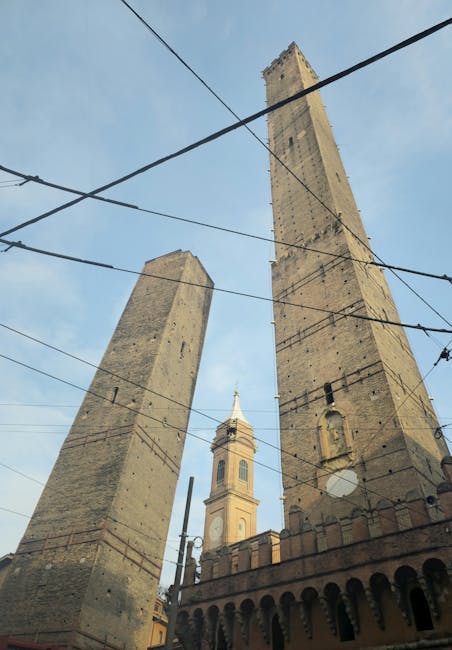
In the heart of the city, on Piazza di Porta Ravegnana, stand two towers that have become Bologna’s architectural emblem: the Torre degli Asinelli and the Torre Garisenda. The exact address for the iconic pair is Piazza di Porta Ravegnana, 40126 Bologna BO, Italy. The Torre degli Asinelli, at roughly 97.2 meters, is the tallest remaining medieval tower in the city. Beside it, the smaller but incredibly photogenic Torre Garisenda noticeably leans; its tilt is due to subsidence of the foundations and it stands at about 48 meters today, its top having been partially reduced in the 14th century to improve stability.
Climbing the Torre degli Asinelli is both a physical and contemplative experience: an internal staircase of about 498 wooden and stone steps, narrow in places, leads to an observation platform with sweeping views over Bologna’s rooftops, the piazza and the Emilia countryside beyond. Entrance fee: around €5.00 for adults (prices may change), reduced rates for students and seniors roughly €3.00. Opening hours: generally open daily from 9:00 to 19:00 in high season (April–October) and approximately 10:00 to 17:00 in low season (November–March); closures possible in extreme weather or for special events. It’s strongly recommended to check opening times on the official site or at the local tourist office before you go.
 Click here to book a tower visit with panoramic access

The Torre Garisenda isn’t open to the public as an observation tower like its neighbor, but its leaning profile is a must-photograph subject. The space around the towers is often lively: street musicians, souvenir sellers and cafés lining the piazza provide a vibrant backdrop. Look closely and you’ll notice fascinating details: old iron rings embedded in the stone, small windows and niches that hint at the lives once contained within these structures.
Practical tips: arrive early to avoid queues for the Torre degli Asinelli, especially between 10:00 and 15:00 in summer. Wear closed shoes — some steps are uneven and can be slippery. If you’re prone to vertigo, ask about quieter visiting times; the ascent requires stamina and tight spaces can be uncomfortable for some. Bring water and a small hat in summer, since the summit platform is exposed to the sun. Finally, for an iconic photo without the crowds, explore the narrow Via Zamboni or the little adjacent squares in the late afternoon.

Less-Known Towers and Secret Visits: Torre Prendiparte, Torre dei Lambertini and more
Beyond the two famous towers, Bologna hides lesser-known towers full of stories and surprises. The Torre Prendiparte, at 24 Via Santo Stefano, 40125 Bologna BO, is a fascinating example. This tower, with a very narrow spiral staircase leading to private guest rooms, sometimes offers guided visits and unique overnight stays (sleeping in a medieval room at the top). Address: Torre Prendiparte, Via Santo Stefano 24, 40125 Bologna. Conditions: visits and stays by reservation only; indicative price for a guided tour about €10–15 per person, overnight rates vary widely depending on season and package (expect anything from €80–120 for a unique experience — confirm at time of booking).
The Torre dei Lambertini (also known locally as Torre di Galliera in some accounts) and other small towers scattered through the historic center recall a time when families built towers inside their courtyards, sometimes invisible from the street. To spot them, wander the streets around Via Santo Stefano, Via Zamboni and the alleys leading to Piazza Maggiore: behind a discreet gateway you might find a spiral stair leading to a small private terrace. These towers are often privately owned; public access is rare and usually requires the owners’ consent or participation in tours organized by local associations such as the Associazione Torre Prendiparte or licensed guides.
Practical tips for secret towers: check with the ufficio turistico (Tourist Office) at Piazza Maggiore 1, 40124 Bologna BO — you’ll find brochures, contacts and sometimes combined tickets. Private tours often need booking at least 48 hours in advance and may include a small supplement for a guide or lighting maintenance. If you’re into photography, ask permission before shooting indoors: some preserved rooms are furnished and owners take conservation seriously. And always respect rules about noise and space: some towers are still lived in, and balancing tourism with local life is essential.
Click here to book a private tour of the hidden treasures
Themed Routes: climbing, photography and night stories
To get the most out of Bologna’s medieval towers, consider a themed route. Here are three well-detailed proposals: the « Climb » route, the « Photography » route and the « Night Stories » route — each with exact addresses, recommended times and practical tips.
Climb Route (full day) — Start: Piazza di Porta Ravegnana (Torre degli Asinelli). Climb the Torre degli Asinelli in the morning (opening around 9:00) to avoid heat and crowds. After descending, head to the Basilica di San Petronio, Piazza Maggiore 9, 40124 Bologna BO: entry to the nave is free, but access to the terrazzo or panoramic terrace (if available through the church’s management) may be charged (variable fees, roughly €5–10). Lunch at a trattoria in the Via Clavature area (examples: Osteria dell’Orsa, Via Mentana 1) to enjoy tagliatelle al ragù or tortellini. In the afternoon, visit the Torre Prendiparte (Via Santo Stefano 24) if you have a reservation; otherwise meander through the Quadrilatero market near Via Pescherie Vecchie.
Photography Route (golden hour & night) — The best time for photos is during golden hour and dusk. Plan to be on the Torre degli Asinelli about an hour before sunset to shoot the red roofs flooded with warm light. For a different angle, head to the terrace of the Palazzo Accursio, Piazza Maggiore 6, 40124 Bologna BO (if open): the palace façade and the square make for striking compositions. Palazzo Accursio museum/entry fee: around €6.00 (check the civic museum and temporary exhibitions). After dark, Piazza Maggiore and Basilica di San Petronio light up — perfect for long exposures and silhouetted towers against the sky.
Night Stories Route (guided walk) — Bologna lends itself to nocturnal tales and legends. Join a night walking tour (several operators offer tours in English/Italian) that includes stories of family rivalries and medieval intrigues. Tours often start near Piazza Maggiore or the Teatro Comunale di Bologna, Via Castiglione 8, 40124 Bologna BO. Prices: usually €10–15 per person for a 1.5–2 hour walk. Check whether the tour includes access to one of the small towers or private courtyards if that’s a priority for you.
Click here to book a guided night tour of the city

General practical tips for these routes: bring a headlamp for lesser-lit towers if you expect a late visit (though most require guided access and provide lighting). DSLRs or mirrorless cameras with wide-angle lenses are ideal for panoramas, while a medium telephoto (70–200 mm) helps capture architectural details from the platform. And for a meal after the exertion, aim for traditional trattorie around Via delle Moline and Via Clavature — small family-run places where local dishes are often homemade.

Night Stories Route (guided walk) — Bologna lends itself to nocturnal tales and legends. Join a night walking tour (several operators offer tours in English/Italian) that includes stories of family rivalries and medieval intrigues. Tours often start near Piazza Maggiore or the Teatro Comunale di Bologna, Via Castiglione 8, 40124 Bologna BO. Prices: usually €10–15 per person for a 1.5–2 hour walk. Check whether the tour includes access to one of the small towers or private courtyards if that’s a priority for you.
General practical tips for these routes: bring a headlamp for lesser-lit towers if you expect a late visit (though most require guided access and provide lighting). DSLRs or mirrorless cameras with wide-angle lenses are ideal for panoramas, while a medium telephoto (70–200 mm) helps capture architectural details from the platform. And for a meal after the exertion, aim for traditional trattorie around Via delle Moline and Via Clavature — small family-run places where local dishes are often homemade.
Nearby Monuments and How to Extend Your Visit: Basilica di San Petronio, Palazzo Accursio and the Portico di San Luca
The medieval towers sit within a wider landscape of monuments that enrich any visit. The Basilica di San Petronio, at Piazza Maggiore 9, 40124 Bologna BO, is one of the largest Gothic churches in the world. Entry to the nave is free, but certain areas (museum or terrace) may be ticketed; budget about €3–10 depending on the zones (prices vary). Opening hours: generally open from 7:45 to 12:00 and 15:00 to 18:00 (confirm times by season and services). Inside, look for the unfinished façade, richly decorated side chapels and Cassini’s meridian — a remarkable solar line set into the floor.

The Palazzo Accursio (also called Palazzo Comunale), Piazza Maggiore 6, 40124 Bologna BO, houses the Civic Museum and temporary exhibitions. Hours: typically 9:30–19:30 (variable with exhibitions), approximate entry price €6.00 for the permanent collection, with concessions for students and seniors. From some public rooms or terraces you can enjoy interesting panoramas over Piazza Maggiore and spot the city’s tower silhouettes.
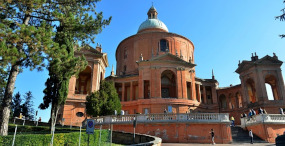
For a more panoramic, green extension, take the famous Portico di San Luca, a roughly 3.8-kilometer arcade linking the city center to the Sanctuary of the Madonna di San Luca on the Guardia hill. Start: Piazza di Porta Saragozza. Starting point address: Piazza di Porta Saragozza, 40124 Bologna BO. The route features 666 arches according to local tradition and offers shifting views of the city; the walk up to the sanctuary takes about 1h15–1h45 on foot depending on pace. The sanctuary is open almost every day; general entry is free, though some annex museums or areas may charge a small fee (budget €2–5 for temporary exhibits).
Click here to book the ascent by train with a private guide

Practical tips for these nearby monuments: buy a combined ticket if available (often offered for Palazzo Accursio and civic museums). For the Portico di San Luca, set out early morning or late afternoon for softer light and cooler temperatures. Wear comfortable walking shoes and bring a water bottle — there are only a few water points along the portico. If you prefer not to walk, a small tourist train (mini-bus) sometimes runs up to the sanctuary in high season; fares vary, around €7–10 round-trip.
Local Practical Tips, Safety and Food Recommendations
Exploring the medieval towers requires a bit of practical planning. Here’s a roundup of local tips to make your visit smoother and help you integrate it into a wider stay in Bologna.
- Tickets and reservations: For the Torre degli Asinelli, check opening times and buy your ticket at the on-site booth or via the official website if available. For private towers (Torre Prendiparte) or guided visits, book at least 48 hours in advance. The ufficio turistico (Via dell’Indipendenza / Piazza Maggiore) can arrange reservations and provide up-to-date info.
- Opening hours: Towers can close early, so plan ascents for morning or late afternoon. Museums around Piazza Maggiore have varying hours; many close one day a week (often Monday) — check ahead.
- Health and safety: Some towers have very steep, narrow staircases; if you have heart conditions, asthma or severe vertigo, consult a professional before attempting the climb. Stairwells can be poorly ventilated; dress in layers to stay comfortable in different seasons.
- Photography: Respect signage and private areas. Best light is early morning and late afternoon. For night shots, a compact tripod is useful but verify monument rules — some do not allow tripods in tight tower spaces.
- Food: After the climb, reward yourself with local classics: tagliatelle al ragù (Bolognese ragù), tortellini in brodo or lasagne verdi. Recommended spots: Osteria dell’Orsa (Via Mentana 1, 40126 Bologna BO), Trattoria di Via Clavature (Via Clavature, Quadrilatero district), Ristorante Da Cesari (Via de’ Carbonesi 8, 40124 Bologna BO). Budget: main courses typically €10–18, starters €6–10.
- Transport: The historic center is easily explored on foot. For peripheral areas or the Portico di San Luca, use ATC buses (stop: Porta Saragozza for the San Luca climb). Bus single fares: about €1.50–2.00 for an urban ride (confirm current local policy).
- Respect and conservation: These towers are fragile heritage. Avoid touching carved walls, don’t stick stickers and follow visiting hours. If you join a private tour in an inhabited tower, follow the owner’s directions.
Click here to learn how to make pasta and tiramisu with wine
Conclusion: Why the Medieval Towers Change How You See Bologna
Bologna’s medieval towers are not just sights to tick off a list; they’re instruments of collective memory, viewpoints on the city’s social and urban history, and sensory experiences that transform visitors. Climbing a tower, even a famous one like the Torre degli Asinelli, brings you into an intimate encounter with materials — stone, wood, iron — and with traces left by centuries of human activity. The towers tell stories of family rivalries, structural innovation, successive adaptations and changing uses: fortresses, homes, lookouts, and now cultural attractions and unique guest rooms.
Exploring lesser-known towers — Torre Prendiparte, hidden towers in private courtyards and small towers scattered around Via Santo Stefano or Via Zamboni — unveils a quieter Bologna of hidden passages and urban intimacies. Nearby monuments like the Basilica di San Petronio and Palazzo Accursio deepen your understanding of the historical landscape, while the Portico di San Luca offers a natural and spiritual continuation, linking the city to its sacred hill.
Final tips for curious travelers: plan some ascents for the morning to enjoy light and calm, book in advance if you’re aiming for private towers, and build in food breaks to savor Bolognese cuisine — the perfect reward after effort. Remember that some of the most memorable experiences aren’t in guidebooks but in chance walks down a side street, a conversation with a local, or an impromptu visit to a courtyard where a tower suddenly appears. Respect these places and their residents, and you’ll leave with literal and emotional images that will change the way you look at Bologna.
Finally, to prepare for your trip: keep the main addresses from this article handy (Piazza di Porta Ravegnana for the Asinelli & Garisenda towers, Via Santo Stefano 24 for Torre Prendiparte, Piazza Maggiore 9 for San Petronio, Piazza Maggiore 6 for Palazzo Accursio, Piazza di Porta Saragozza for the Portico di San Luca), check current opening times and prices before you go, and consider a guided tour if you want anecdotes and expert readings of inscriptions and architectural details. Bologna is both welcoming and profound — let its towers guide you to the best viewpoints and the most fascinating stories.