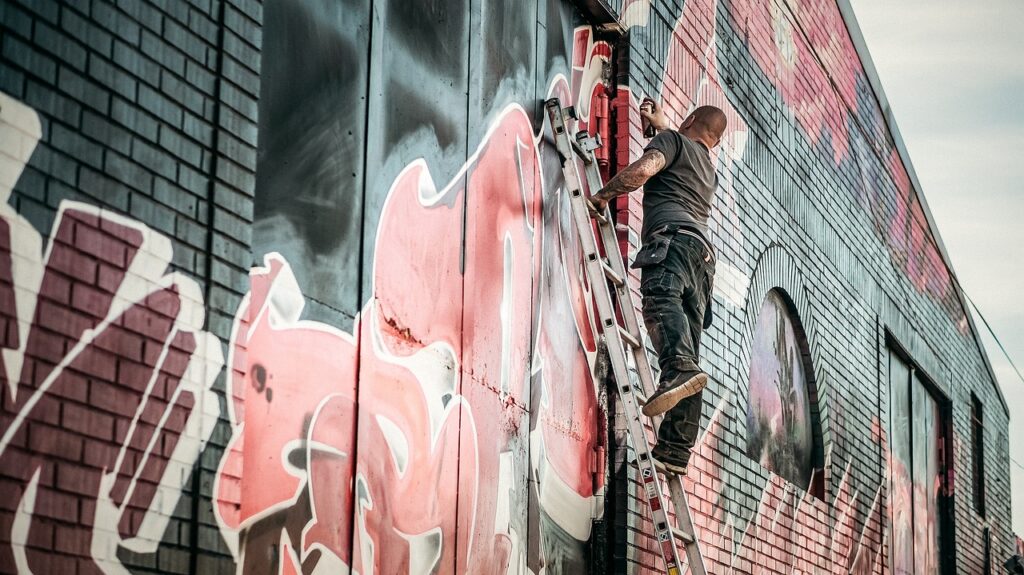



Introduction — Bolognina street art: a cultural walking tour
Bolognina is more than a neighborhood in flux in Bologna; it’s an urban laboratory where street art converses with the area’s industrial past, building facades and revitalized brownfields. Located northwest of the historic center, Bolognina is home to artist studios, cultural associations and painted walls that tell the story of the contemporary city: working‑class memory, migration, creative resistance and local aspirations. This introduction offers a practical, immersive overview to help you prepare your cultural walk through the murals, installations, studios and local resources of Bolognina.
Contenu de l'article
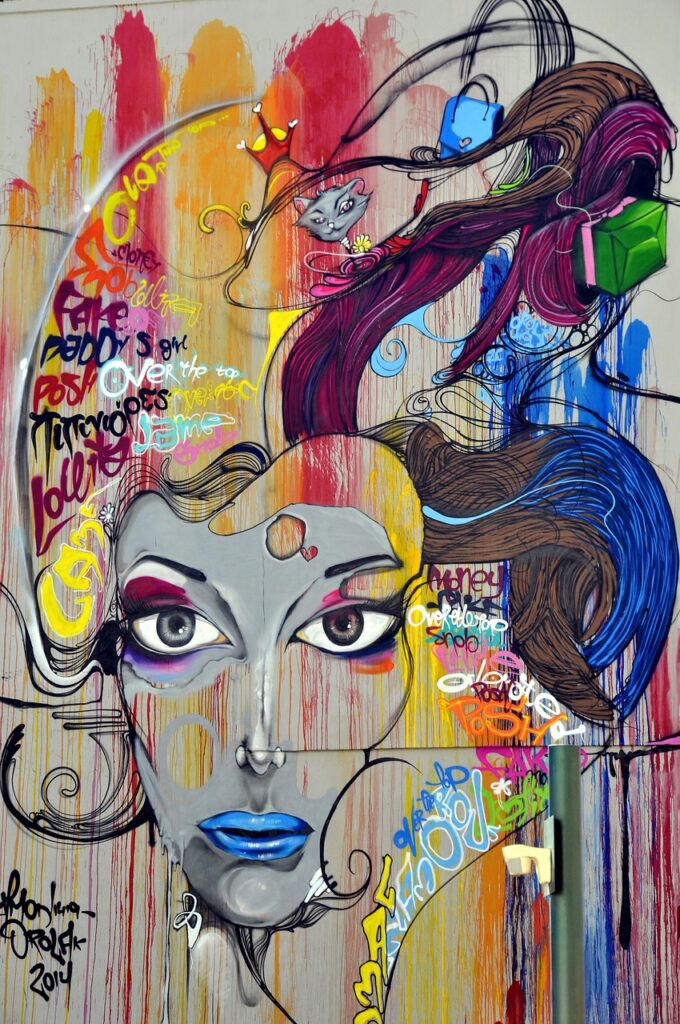
Your walk in Bolognina often starts along the lively Via della Bolognina and continues toward the banks of the Reno river, passing through repurposed industrial and artisan areas, private courtyards that open during events, and alternative galleries. The wall interventions—sometimes fleeting, sometimes monumental—are by local and international collectives. They address current issues: ecology, working‑class history, international solidarity, and everyday life of residents. This panorama also sheds light on municipal urban renewal policies and grassroots initiatives that use art as a tool for community cohesion.
For curious travelers, a visit to Bolognina pairs easily with other cultural spots in Bologna like the Cineteca di Bologna (Via Riva di Reno 72), the Museo d’Arte Moderna di Bologna – MAMbo (Via Don Giovanni Minzoni 14) or the Pinacoteca Nazionale (Via delle Belle Arti 56), all reachable on foot or by public transport from Bolognina. Practically speaking, bring comfortable shoes, a camera, and if possible a paper map or offline GPS: some murals hide down narrow lanes or inside courtyards. Also keep in mind that artists often repaint their work; surprises are part of the charm.
This detailed guide will give you exact addresses, opening hours and prices to complete your walk. You’ll also find practical tips for photographing the works, respecting the sites and enjoying nearby cafés and viewpoints. Whether you’re an urban art fan, photographer, architecture student or simply a walker looking for a vibrant, changing neighborhood, Bolognina offers a stimulating route full of color and human stories.
Suggested route: detailed itinerary and key spots
For a coherent walk, start at Stazione di Bologna Centrale (Piazza Medaglie d’Oro 1), a convenient arrival point if you come by train. From there, head to Via della Bolognina and follow a roughly 3–4 km loop that will take you to the most emblematic painted walls. Recommended route: Stazione di Bologna → Via della Bolognina → Via Fioravanti → Parco della Bolognina → Via del Porto → Lungofiume Reno. This circuit combines murals, open studios and cafés for regular breaks.
First stop: Via della Bolognina, roughly around numbers 20 to 40. Here, large panels recount the neighborhood’s working‑class memory: old factories, laborers and machines translated into contemporary pictorial language. Approximate address: Via della Bolognina 28, Bolognina, 40122 Bologna. This area is accessible 24/7 and the visit is free. Take time to observe the repurposing of old industrial premises and the mosaic murals on workshop façades. Best light for photos is early morning or late afternoon, when low sun brings out the textures of the paint.
Second stop: Via Fioravanti, a cross street heading north. You’ll find smaller murals, collages and stickers signed by local collectives. Indicative address: Via Fioravanti 52, 40122 Bologna. This stretch is full of signs, small galleries and independent cafés — perfect for a coffee break (typical espresso price: €1.20–€1.60). Allow 1 to 2 hours to explore Via Fioravanti at a relaxed pace, chatting with locals and spotting studios that sometimes open during cultural events. Many artists work on commission for associations: don’t hesitate to ask for information when you see “atelier aperto” signs.
Third stop: Parco della Bolognina (entrances along Via della Barca). The park is a calm and expressive space where temporary installations and legal graffiti are allowed. Address: Parco della Bolognina, Viale della Barca (main entrance), 40122 Bologna. Park hours: generally open from 7:00 to 22:00; free entry. You may encounter open‑air painting workshops and occasionally concerts or film screenings organized by local cultural associations. The best season to visit is spring and summer when the event calendar is fullest. Respect restricted areas and follow municipal signage when photographing.
 Click here to Explore Bologna’s historic center on foot
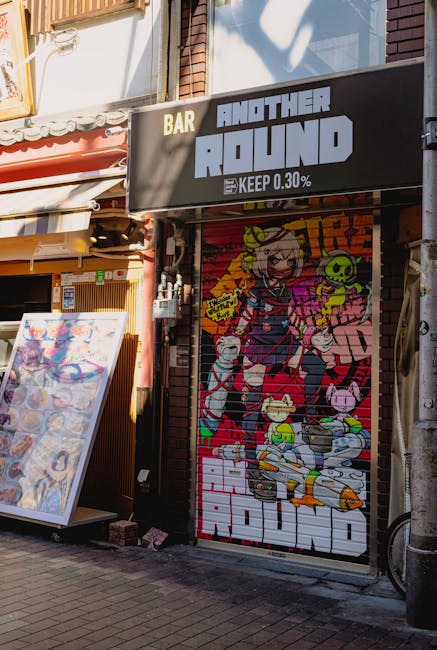
Second stop: Via Fioravanti, a cross street heading north. You’ll find smaller murals, collages and stickers signed by local collectives. Indicative address: Via Fioravanti 52, 40122 Bologna. This stretch is full of signs, small galleries and independent cafés — perfect for a coffee break (typical espresso price: €1.20–€1.60). Allow 1 to 2 hours to explore Via Fioravanti at a relaxed pace, chatting with locals and spotting studios that sometimes open during cultural events. Many artists work on commission for associations: don’t hesitate to ask for information when you see “atelier aperto” signs.
Third stop: Parco della Bolognina (entrances along Via della Barca). The park is a calm and expressive space where temporary installations and legal graffiti are allowed. Address: Parco della Bolognina, Viale della Barca (main entrance), 40122 Bologna. Park hours: generally open from 7:00 to 22:00; free entry. You may encounter open‑air painting workshops and occasionally concerts or film screenings organized by local cultural associations. The best season to visit is spring and summer when the event calendar is fullest. Respect restricted areas and follow municipal signage when photographing.
Studios, galleries and local resources: meetings and learning
Bolognina isn’t limited to painted walls: it hosts artist studios, collaborative spaces and a handful of alternative galleries that offer a different take on street art. Notable addresses include C.S. Crash (Centro Sociale Crash), located at Via della Bolognina 18. This self‑managed space hosts artist residencies, exhibitions and workshops. Opening hours vary with programming; check their Facebook page or call ahead to confirm (often free entry, symbolic contributions for workshops: €5–€15).
Important note: the Cineteca di Bologna (Via Riva di Reno 72) sometimes screens themed films and organizes talks around documentary film and urban cultures. Typical screening times: evenings; ticket prices range from about €6 to €10 depending on the session. Exact address and timings online: Cineteca di Bologna, Via Riva di Reno 72, 40122 Bologna. The Cineteca’s proximity to Bolognina makes it a great stop after your walk to deepen local cultural stories with a screening or a visit to their specialized library.
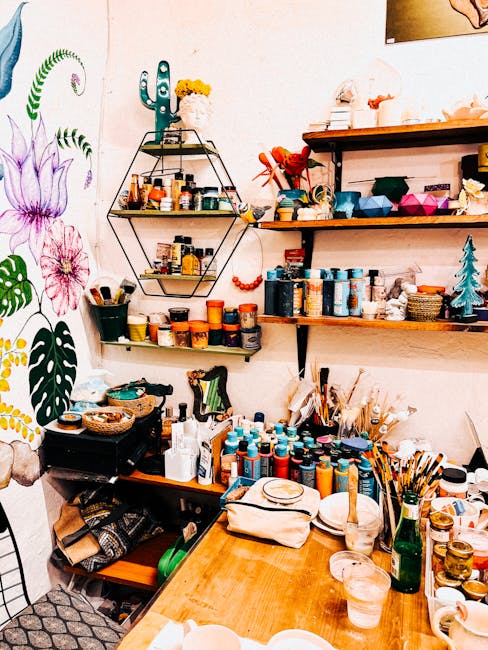
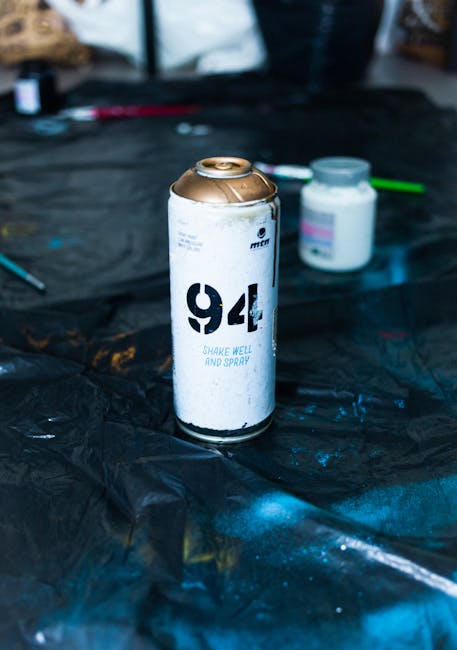
Another useful resource is the Officina Immaginaria studio‑gallery (Via del Porto 12). Address: Via del Porto 12, 40122 Bologna. This space regularly runs collective exhibitions and beginner workshops in stenciling and mural painting. Price for an introductory workshop: typically €20–€35 depending on duration (2–4 hours). Booking is recommended. These workshops are perfect if you want to learn the techniques (spray, roller, stencil) and try them safely with provided materials. Wear clothes you don’t mind getting paint on.
Click here to Join a wheel‑throwing ceramics class
Practical tips, safety and respect for the neighborhood
Visiting Bolognina requires a few practical precautions to make the most of the neighborhood while respecting residents and private spaces. Hours: most walls are visible 24/7; however, to talk with artists or visit studios, the 10:00–18:00 window on weekdays is best. If you plan to visit galleries or cultural venues (MAMbo, Cineteca), always check official sites for unexpected closures and public holidays. For example, MAMbo (Museo d’Arte Moderna di Bologna) is at 14 Via Don Giovanni Minzoni and has indicative prices: full price ≈ €8, reduced ≈ €5; usual opening hours: Tuesday–Sunday 11:00–19:00, closed Monday (check before you go).
Transport and access: the area is well served by TPER city buses and is about a 15–20 minute walk from the historic center (Piazza Maggiore). For parking, favor peripheral car parks or paid spaces; free parking is rare. Budget: exploring the street art can be free, but plan roughly €10–€20 for coffee breaks, €20–€35 for a workshop, and €6–€10 for a Cineteca screening if you choose to combine it with your walk.
Click here to Rent an e‑bike to discover Bologna with ease
Safety and respect: Bolognina remains a residential neighborhood. Photograph without disrupting people’s daily life, avoid entering private property without permission and don’t touch works that are protected or recently completed. Bring a small torch if you visit at dusk and keep your belongings close to avoid pickpockets, as you would in any urban area. Finally, take part in the local economy: buy a coffee in a neighborhood bar, purchase artists’ prints if available, and ask associations if there are official guided tours—often held in Italian and sometimes in English.
Conclusion — Why Bolognina is an essential cultural walk
Bolognina is much more than a series of painted walls: it’s a mirror of Bologna’s urban and social transformations. Walking its streets, you read the contemporary city in layers—industrial heritage, civic initiatives, artistic practices and intergenerational dialogues. Every mural, studio and street corner contributes to a collective narrative where art takes a public, accessible role. The walk allows not only observation but also interaction: introductory workshops, meetings with collectives, pop‑up exhibitions and screenings organized by institutions like the Cineteca di Bologna enrich the experience.
Practically, Bolognina is easy to include in a Bologna itinerary: close to the historic center and well connected by transport, it provides a stimulating contrast to the city’s medieval streets. Costs remain modest if you stick to exploring walls and parks for free; for those wanting more, workshops and screenings offer rewarding, educational experiences at reasonable prices (€6–€35 depending on the activity). Finally, Bolognina invites respect and curiosity: it’s a lived, vibrant neighborhood where urban art serves as a shared language between residents, artists and visitors.
To wrap up, plan your visit around gallery and workshop hours, bring good walking shoes, water and a map, and embrace serendipity: some of the best street art treasures are tucked away in a courtyard or a little‑used lane. Bolognina is waiting—an open palette of walls and a hub of cultural experiences where the city paints itself.