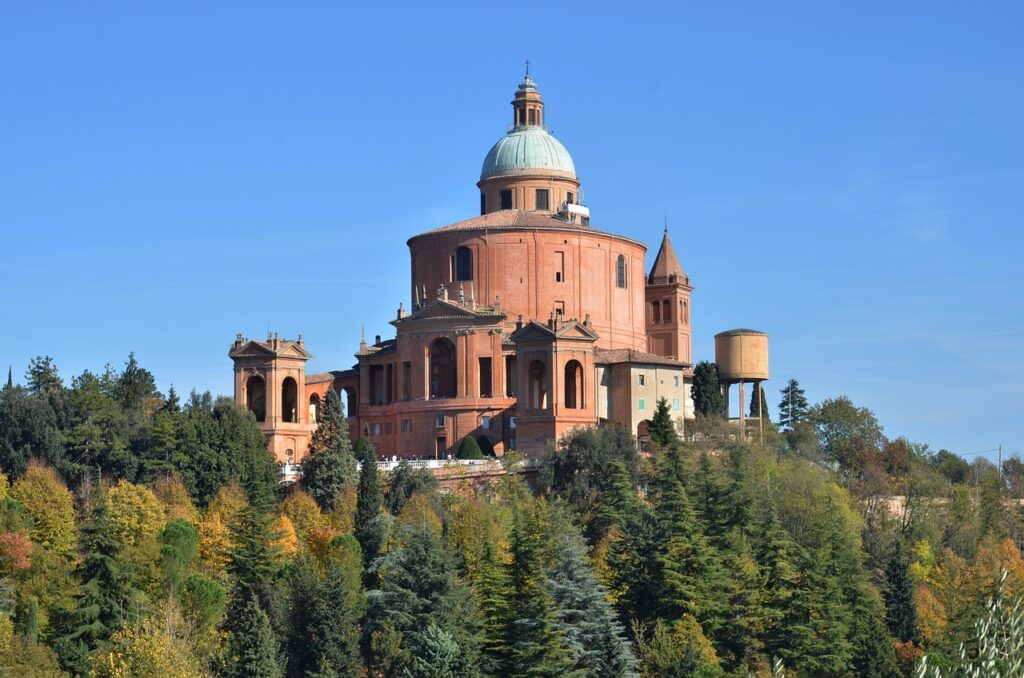



Introduction: A Sparkling Dive into Lambrusco Near Bologna
Lambrusco is one of Emilia-Romagna’s most iconic sparkling wines: bright, fruity, sometimes gently fizzy, and deeply woven into the region’s food culture. While Bologna — the “grassa” — is famed for its tagliatelle al ragù, mortadella and historic markets like the Mercato di Mezzo, the nearby rolling hills and fertile plains around Bologna give you direct access to vineyards and cellars producing many different expressions of Lambrusco. A Lambrusco-focused wine route out of Bologna is the perfect mix of tastings, scenery, history and human encounters. Around here, the hills of Modena, the Panaro valley and small towns like Castelvetro di Modena, Sorbara and Nonantola host estates where winemaking tradition meets modern techniques.
Contenu de l'article
In this guide I lay out a full, sensory and practical itinerary: from historic estates to family-run cooperatives, plus where to buy bottles and which restaurants pair beautifully with Lambrusco. You’ll find exact addresses, opening hours, price ranges for tastings and bottles, and local tips to make the most of your wine getaway from Bologna. Whether you’re a curious beginner or an experienced oenophile, this route will help you understand Lambrusco’s variety — brut, amabile, frizzante, rosé — and how terroir, grape varieties (notably Lambrusco Grasparossa, Lambrusco Salamino, Lambrusco di Sorbara) and winemaking choices shape each bottle.
Practical note: Bologna makes an ideal base. By car, most Lambrusco estates are a 30–60 minute drive away. By train or bus, some spots are reachable but you’ll often need a shuttle or taxi to get to more remote producers. I can’t stress enough the importance of booking visits and tastings in advance — many small cellars only welcome guests by appointment, especially outside high season. Below I also share tips for combining cultural sightseeing (Piazza Maggiore, Torre degli Asinelli), food stops and responsible tasting (designated driver, transfer services or guided tours).
1) Cantina Cleto Chiarli — A Lambrusco Classic in Castelvetro di Modena
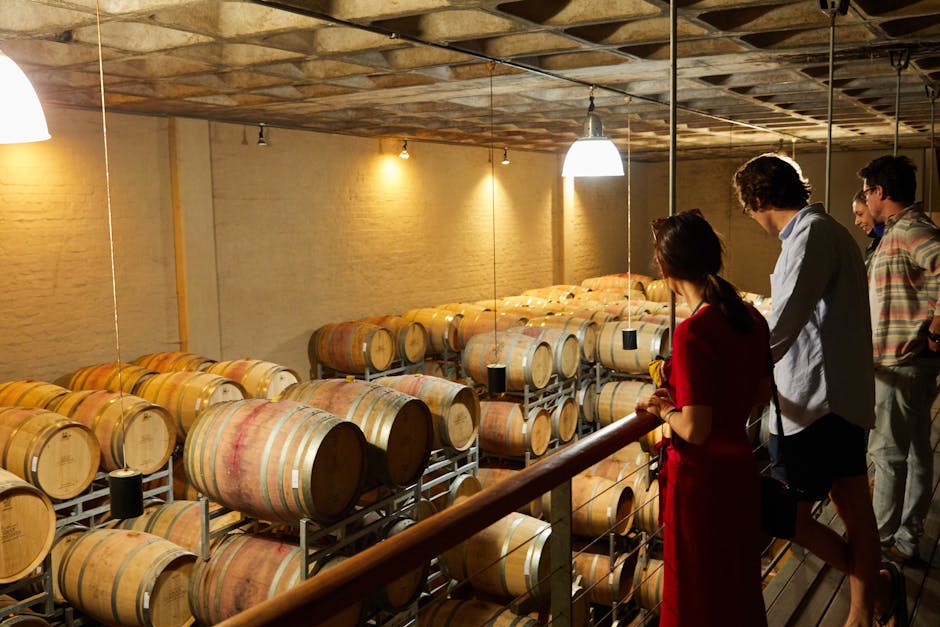
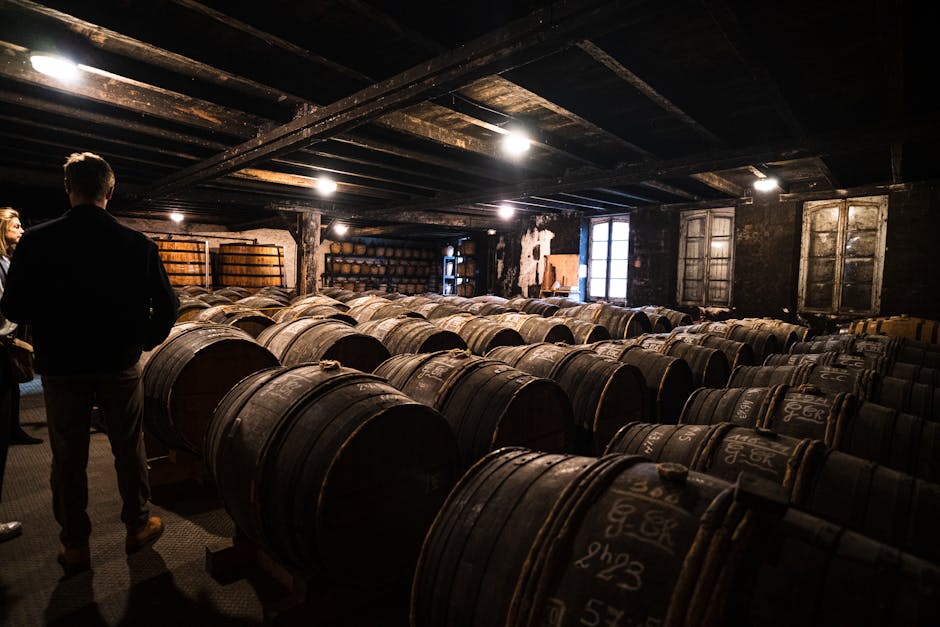
Cantina Cleto Chiarli is often mentioned among the historic houses of Lambrusco. Based in Castelvetro di Modena, they offer guided tours that trace more than a century of production. The welcome is both professional and warm, and tours usually include a visit to the vats, old tools and a guided tasting.
Address: Cantina Cleto Chiarli e Figli S.r.l., Via Cantina 10, 41014 Castelvetro di Modena (MO), Italia.
Opening hours: Tours by appointment Monday–Saturday 09:00–17:30; cellar closed Sunday except for events.
Price: Standard tour + 3 tastings: €18 / person. Premium tasting with food pairings and 5 wines: €35–45. Bottle prices: €6–20 depending on the cuvée (Lambrusco Modena DOC, Riserva, etc.).
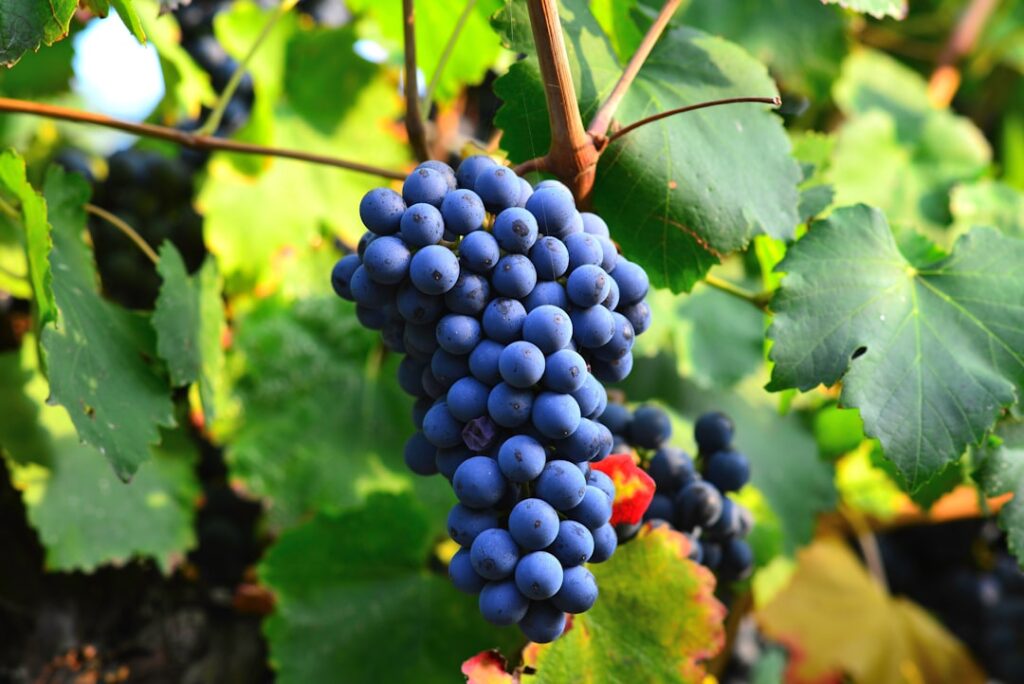
Immersive description: In summer the cobbled courtyard basks in sunlight; you can hear the rustle of leaves from the surrounding vineyards. The tasting reveals the typical aromatic palette: raspberry, violet and green apple notes, with a refreshing fizz on the palate. Staff take the time to explain the differences between the grape varieties (Salamino, Grasparossa, Sorbara) and the styles (secco, amabile, dolce). The cellar often offers boards of local products — Parmigiano-Reggiano, prosciutto di Modena, tigelle — which elevate the Lambrusco.
Practical tips: Book at least 48 hours ahead if you want the tour in English. If you’re coming by train from Bologna Centrale, take a train to Modena then a taxi (around €25–35) or rent a car. If you plan to buy several bottles, check whether the cellar can ship internationally.
2) Medici Ermete — Prestige and Finesse in Sorbara
Medici Ermete is known for its Lambrusco di Sorbara, often more delicate, floral and elegant, with fine bubbles. The estate blends a long family history with modern winemaking facilities. Tours emphasize sustainable viticulture and controlled secondary fermentation methods that produce the signature finesse of the bubbles.
Address: Medici Ermete Spa, Via Provinciale, 24, 41019 Sorbara di Bomporto (MO), Italia.
Opening hours: Tours and tastings by appointment, Monday–Saturday 09:00–17:00; shop open weekdays 09:00–12:30 and 14:30–18:00.
Price: Standard 4-wine tasting: €20 / person; full guided tour with food pairings: €40–55. Bottles: €8–30 depending on vintage and cuvée.
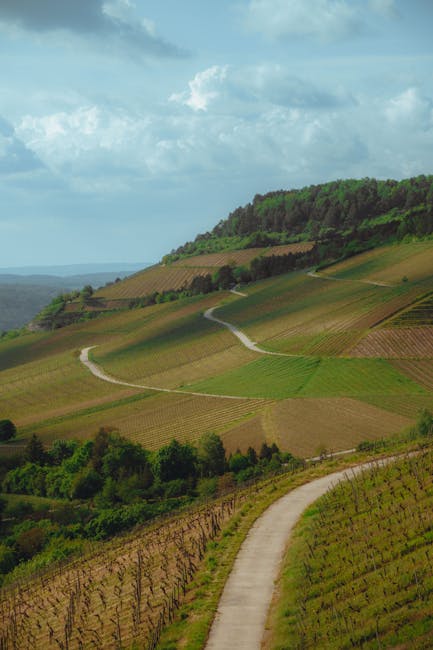
Immersive description: Arriving at Medici Ermete feels like stepping into a world where Sorbara’s vines stretch out in green ribbons. Lambrusco di Sorbara often has a pale, almost rosé hue, with aromas of rose petals and fresh red fruit. The tasting, held in a bright room overlooking the vineyards, lets you appreciate the finesse of the bubbles and the balance of acidity and sweetness — perfect with Emilian antipasti.
Practical tips: For an ideal match, try their brut cuvées with local cold cuts and gnocco fritto. If you visit in autumn, ask about harvest volunteer opportunities — some years estates welcome helpers for hands-on introductory experiences.
3) Cantina Sociale Villa di Sesso — A Cooperative Discovery Near Nonantola
Cooperatives have played a crucial role in Lambrusco’s history: they allow small growers to pool resources and know-how. Cantina Sociale Villa di Sesso, near Nonantola, offers an insight into this collective reality. Tours here are often more “authentic” and less staged than the larger houses, with a focus on traditional winemaking practices.
Address: Cantina Sociale Villa di Sesso, Via Provinciale Nord 98, 41015 Nonantola (MO), Italia.
Opening hours: Shop and tours by appointment Tuesday–Saturday 09:00–12:30 and 15:00–18:30.
Price: Basic tasting: €12 / person. Full tour with 6 samples: €25. Bottles sold at the cooperative: €5–15.
Immersive description: In this cellar you feel the weight of history: polished concrete, large stainless-steel tanks and labels that tell decades of family harvests. The Lambruschi tasted here tend to be faithful to the terroir, with straightforward fruity expressions and a fresh effervescence. Visits sometimes include a communal table where local Panaro valley products — honey, preserves, cheeses — are shared to demonstrate terroir-food pairings.
Practical tips: Bring insulated bags to keep bottles cool if you’re traveling in summer. Ask the cellar manager how best to store an uncarafed Lambrusco: light refrigeration and consumption within a year for the younger cuvées.
4) Enoteca Italiana Bologna — Extend the Tasting Back in Town
After countryside excursions, it’s nice to bring your wine discoveries back to the heart of Bologna. Enoteca Italiana Bologna (or a wine shop specialized in Lambrusco and Emilia wines) offers a curated selection of local bottles, a wine bar and buying advice. It’s a great place to compare cuvées, buy travel-friendly formats and enjoy a simple pairing on site.
Address: Enoteca del Quadrilatero, Via Pescherie Vecchie 26, 40124 Bologna BO, Italia.
Opening hours: Monday–Saturday 10:00–22:30; Sunday 11:00–15:00 (hours vary by season and local events).
Price: By-the-glass tastings: €3–8 depending on the cuvée; sharing boards: €8–18. Bottles: €6–35.
Immersive description: Tucked in the Quadrilatero, a stone’s throw from Piazza Maggiore and the porticoes, this enoteca has a welcoming, lively vibe. Shelves are packed with local bottles — Lambrusco Grasparossa, Lambrusco Salamino, Lambrusco di Sorbara — with tasting notes. A passionate server will help you pick a Lambrusco to go with thinly sliced mortadella or a chunk of aged Parmigiano-Reggiano.
Practical tips: Take advantage of aperitivo hours (18:00–20:00) to taste several Lambruschi by the glass. If you’re heading to dinner afterward, ask them to keep a purchased bottle chilled so you don’t have to carry it warm.
5) Scenic Routes & Viewpoints: Driving, Hiking and Cycling Around the Vines
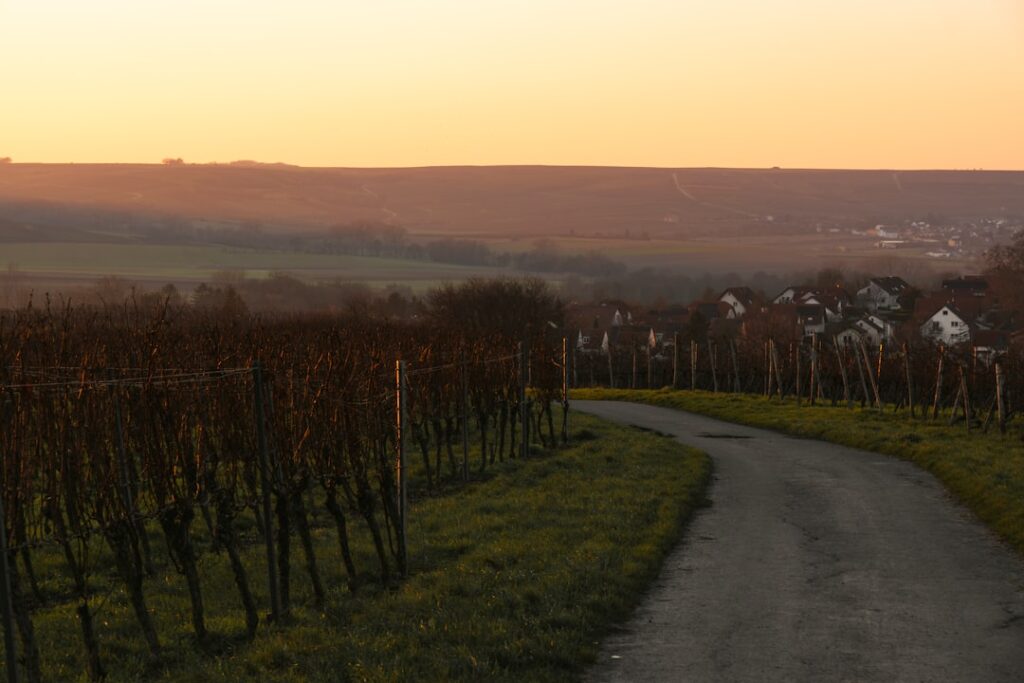
The joy of Lambrusco isn’t only in the glass: discovering the landscape and viticultural practices is best done on foot, by bike or by car along small scenic roads. A rewarding loop starts in Castelvetro di Modena toward Monteveglio and the Modenese hills: alternating stretches of vineyards, olive groves and ancient hamlets.
Recommended route: Start from Piazza Roma, 41014 Castelvetro di Modena (MO), head toward Via Montevettolino and return via the SP7. Estimated time: 2–4 hours depending on stops and visits. For cyclists, favor gravel or hybrid bikes; some sections are stony.
Immersive description: At dawn, mist lifts over the vine rows, revealing a golden light that highlights the leaves’ shifting colors. Local information panels explain the grape varieties and the history of the bell towers visible from the road. Farm stands and small trattorie offer tasty stops — perfect for an impromptu comparative tasting in situ.
Practical tips: Check the weather and avoid very hot days for hikes. Bring water, a hat, and plan stops at agriturismi for toilets and refreshments. If you rent a bike in Bologna, ask rental shops whether they’ll drop off or pick up the bike at your start/end point.
6) Where to Eat: Lambrusco Pairings with Bolognese Cuisine
Lambrusco shines with local dishes. Typical pairings include tortellini in brodo, lasagne alla bolognese, tagliatelle al ragù, mortadella di Bologna, gnocco fritto and Parmigiano-Reggiano. Here are a few recommended places to combine tasting and dining in Bologna and nearby.
- Osteria dell’Orsa, Via Mentana 1, 40126 Bologna BO — Opening hours: Tue–Sun 12:00–15:00, 19:00–23:00. Prices: dishes €8–18. Specialty: charcuterie boards and homemade pasta, friendly service.
- Trattoria da Gianni, Via Emilia Levante 67, 40127 Bologna BO — Opening hours: Mon–Sat 12:00–14:30, 19:00–22:30. Prices: €12–25 per main. Specialty: tortellini and traditional ragù.
- Trattoria La Pieve, Via Roma 3, 41014 Castelvetro di Modena — Opening hours: 12:00–14:30, 19:00–22:00 (closed Tuesday). Prices: set menu €20–35.
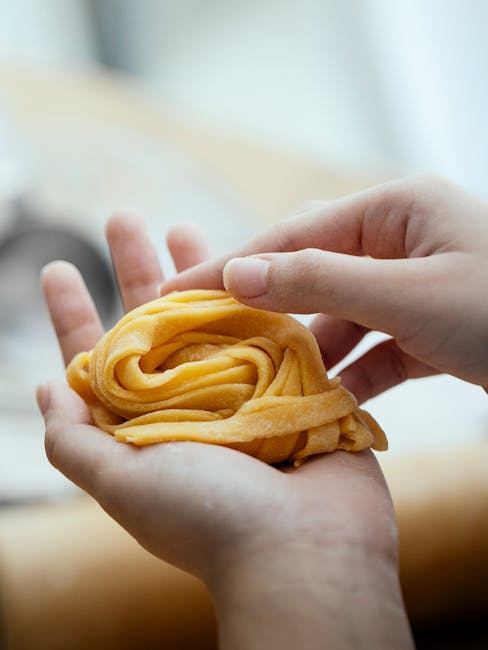
Immersive description: Picture a terrace table, a freshly opened bottle of Lambrusco Grasparossa; the wine crackles on the palate while the umami richness of the ragù wraps around every bite. The bubbles lighten the fatty textures of cold cuts and cut through the salty hit of Parmigiano, refreshing your palate between forkfuls.
Practical tips: Ask the sommelier or server about the ideal serving temperature (8–10 °C for frizzanti and 6–8 °C for lighter styles). For dining off the beaten path, reserve ahead — weekends fill up.
Conclusion: How to Plan Your Lambrusco Wine Escape from Bologna
Lambrusco, with its range of styles — from the floral, delicate Sorbara to the powerful, structured Grasparossa — deserves a slow exploration across cellar, table and landscape. From Bologna you can tailor your route: a cultural morning in the city center (Piazza Maggiore, Torre degli Asinelli), a Bolognese lunch, then an afternoon of winery visits in Castelvetro di Modena or Sorbara, finishing with dinner in a rural trattoria. Take the time to book visits, arrange a designated driver or transfer service for safety, and bring means to keep bottles cool if you buy several cuvées.
Practical summary:
- Reservations: essential for private cellars, recommended for cooperatives and enotecas.
- Transport: rental car or organized tour from Bologna; train + taxi possible to Modena/Sorbara.
- Budget: plan €12–45 per person for a guided tasting; €6–35 for common bottles.
- Seasons: spring and autumn offer mild temperatures; harvest in September/October can provide special experiences.
Finally, go with the convivial spirit of the Italians: many winemakers will gladly share anecdotes, serving tips and family recipes. Bring a tasting notebook, note your favorites and don’t hesitate to buy the bottle that moved you to keep the memory alive at home. Lambrusco, far from being just a party wine, reveals terroir, tradition and modernity — and a Lambrusco wine escape from Bologna is one of the best ways to soak it all in.