


Introduction — Bologna’s Hidden Medieval Treasures
Bologna is often celebrated for its long porticoes, leaning towers and hearty cuisine. Yet beyond the must-sees that every visitor hits — Piazza Maggiore, the Basilica di San Petronio, the Due Torri — lies a far richer and more discreet medieval city: narrow alleyways, cloistered courtyards, stone craftsmanship and small museums where history seems to breathe from every block. This article aims to uncover these lesser-known medieval treasures of Bologna: places that even some locals barely know, but which offer an immersive journey through time, where stone tells stories of crafts, conflicts, faith and everyday life in the Middle Ages.
Contenu de l'article
Founded at a crossroads between the Po valley and the Apennines, the city has retained an urban fabric inherited from the Middle Ages: cloisters, private chapels, remnants of walls and gates, noble palaces transformed into museums, and craftsmen’s burial grounds. The attentive visitor will find traces of guilds, sculpted façade elements, Romanesque capitals, forgotten frescoes and underground passages that keep the memory of a time when Bologna was a major intellectual and commercial hub. This guide will take you off the beaten path, to sites reachable on foot from the historic centre, with exact addresses, practical info, prices and opening hours, plus concrete tips to make the most of your visit.
Each spot is described vividly — you’ll know what to look for, when the daylight best reveals carved details, and how to avoid crowds so you can admire a Romanesque portal in peace. Whether you love architecture, medieval history, photography seeking intimate angles, or you’re simply curious to discover a more secret side of Bologna, this guide will give you the keys. You’ll also find local practical advice (transport, tickets, visiting rules) so your exploration is not only rich but calm and well planned.
Complesso di Santo Stefano: a religious maze and medieval memory
The Complesso di Santo Stefano, often called the “Sette Chiese,” is one of Bologna’s most fascinating and least obvious religious complexes. Located at Piazza Santo Stefano, 40125 Bologna, this site is a sequence of chapels and churches layered together, forming a genuine spiritual labyrinth shaped between the 4th and 13th centuries. At first glance the square and façades look modest, but once inside you discover Romanesque volumes and medieval elements dating back to the city’s earliest Christian communities. Low domes, brick arcades and barrel vaults still show traces of former polychromes and fragmentary frescoes.
Opening hours: generally Monday to Saturday 9:00–18:00, Sunday 10:00–17:00 (hours vary with liturgy and religious holidays; it’s best to check locally or with the tourist office). Admission: most chapels are free; guided tours cost around €5–8 depending on season and guide. The oldest chapels are accessed through narrow doors and require very quiet footsteps to preserve the atmosphere.
What strikes you here is the juxtaposition of architectural elements: you can spot a medieval sarcophagus set into an apse, a 12th-century beaten-pavement, and reused columns taken from earlier structures. The carved details on the capitals show vegetal motifs and hybrid figures — evidence of an art that balanced religious symbolism with popular memory.
Practical tips: visit early in the morning to enjoy the shafts of light filtering through the small high windows; bring a small pocket torch to discreetly light corners without risking damage to the works; respect the areas still used for worship and dress modestly during mass times. Nearby, several small trattorie serve a simple meal after your visit — try trattoria da Giovanni (a few minutes away) for authentic local cooking.
The Torre degli Asinelli and neighbouring undergrounds: at the heart of a medieval system
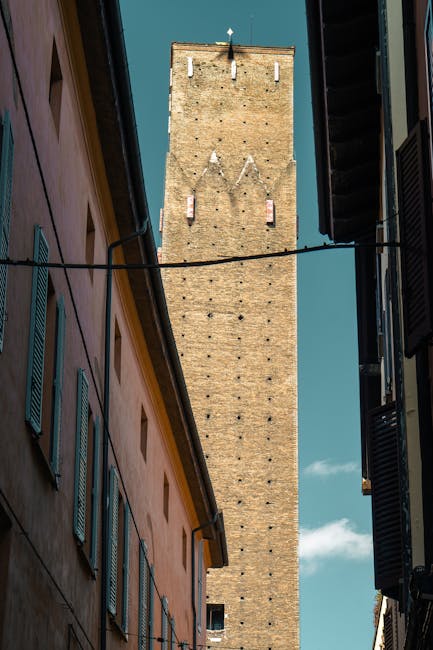
The Due Torri, symbols of Bologna, are frequently photographed from Piazza di Porta Ravegnana, but the richest experience is climbing the Torre degli Asinelli and exploring the medieval underground remains around its foundations. Address: Piazza di Porta Ravegnana, 40126 Bologna. The Torre degli Asinelli (97.2 m tall) and its neighbor, the Torre Garisenda (reinforced and leaning), date from the 12th century and reflect the rise of noble families who built towers for defence and prestige.
Opening hours: the climb up the Torre degli Asinelli is generally possible daily 9:00–19:30 in high season (shorter hours in low season). Fees: around €5–8 for tower access (reduced rates for students and seniors). Access to the underground areas is not always open to the public; special guided tours (organized by the Comune di Bologna or local associations) let you explore medieval cellars and usually cost €10–15.
The tower ascent offers panoramic views over red roofs and scattered towers of the medieval centre; the undergrounds reveal the other side: a network of ancient foundations, hydraulic structures and fragments of medieval domestic spaces. Guides explain how some towers were also used as storage and workshops, and how underground passages linked buildings and markets during sieges.
Practical tips: book your time slot online if possible, especially in summer. Wear sturdy shoes for the climb (narrow, worn stairs). If you visit the undergrounds, follow safety instructions strictly and avoid large bags — spaces are tight and humidity can make surfaces slippery. Photographers: late morning brings soft light on the roofs from the platform, while at night the towers’ silhouettes trace against the sky.
The Archiginnasio and the Anatomical Theatre: the medieval university reimagined
The Archiginnasio di Bologna was one of the city’s medieval intellectual seats, the former home of the University of Bologna, the oldest university in Western Europe. Address: Piazza Galvani 1, 40124 Bologna. The building, rebuilt in the 16th century but containing medieval traces and evidence of medieval student guilds, houses the Biblioteca Comunale dell’Archiginnasio and the famous wooden Teatro Anatomico, where dissections and medical lessons were performed in front of students and professors.
Opening hours: generally daily 9:00–19:00 (closed some public holidays; hours vary for temporary exhibitions). Admission: around €3–7 for the full visit (reduced rates and free entries for certain groups). The site also offers themed guided tours focused on medieval university life, the symbolism of coats of arms and student graffiti.
Visiting the Archiginnasio is a sensory immersion: the dark wood of the anatomical theatre, the carved desks, the blazons of student nations and the wall inscriptions left by generations of students. Although the current structure is Renaissance, the medieval spirit survives in the way courses were organised, the hierarchy of faculties and the old student rites. Panels and guides help identify details like niches for scrolls, guild seals and original lighting fixtures.
Practical tips: audio guides in French and English are often available; opt for a guided tour to understand the university liturgy and heraldic symbolism. Rare-book enthusiasts can request access to the reading room (by appointment). Nearby, Via Zamboni offers further university traces, small bookshops and student-frequented cafés.
Museo Civico Medievale and neighbouring palaces: medieval collections and workshops
The Museo Civico Medievale gathers a precious collection of objects, weapons, armor, sculptures and architectural fragments from Bologna’s medieval heritage. Address: Via Manzoni 4, 40121 Bologna (housed in the historic city palace). This museum lets you study up close elements that were once part of now-disappeared buildings: capitals, portals, ornate door studs and funerary supports.
Opening hours: generally Tuesday–Sunday 10:00–18:00 (closed on Mondays); check special hours during temporary exhibitions. Admission: approx. €6–9; reduced rates for youth, students and seniors. Educational workshops for children and themed visits are frequently organised, focusing on stone carving techniques and medieval daily life.
The displays highlight material life in the Middle Ages: artisan tools, coins, seals and reconstructions of medieval workshops. Sections dedicated to guilds (arte della seta, arte dei notai, etc.) are especially enlightening to understand the city’s social and economic organisation. A multimedia itinerary helps visualise medieval Bologna in 3D, from market squares to domestic interiors.
Practical tips: pair the museum visit with a stroll along Via dell’Indipendenza and a coffee break in palace courtyards. If you’re interested in stone carving or conservation, ask about special guided tours that grant access to restoration workshops. For photographers, vitrines are often anti-reflective but bring a fast lens to capture details of engravings.
Small hidden churches and oratories: rock-hewn treasures and forgotten frescoes
Bologna hides tiny churches and oratories whose façades blend into the streets, yet preserve medieval chapels with frescoes and altarpieces that go largely unnoticed. Among these: the Oratorio di Santa Cecilia (Via de’ Carbonesi 2), the Chiesa di San Giacomo Maggiore (Via Zamboni 2) with chapels featuring late Renaissance frescoes and medieval elements, and the Chiesa di San Martino (Piazza di Porta San Mamolo 3) with 13th-century fresco fragments.
Opening hours: vary by parish — generally mornings 9:00–12:00 and afternoons 16:00–19:00; some chapels only open for services or by request. Cost: most are free, though donations are suggested (€2–5) for maintenance. Private guided visits may cost €15–25 per person.
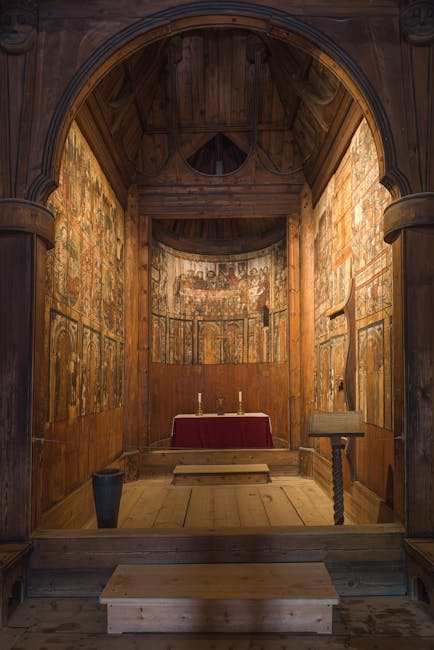
These small chapels offer intimate encounters with medieval art: stylised biblical scenes, local saints shown with recognizable attributes and votive inscriptions. Frescoes are often fragmentary, overpainted in places, but their patina and craquelure tell centuries of human intervention. The atmosphere is typically modest, prayerful, with damp acoustics and soft lighting that enhances the old pigments.
Practical tips: check with the tourist office (Piazza Maggiore) for specific opening times; keep quiet and avoid flash photography. Locals appreciate respectful visitors — a small donation helps significantly with upkeep. If you travel in summer, aim for late-afternoon visits when the heat eases and the light brings out fresco colours.
Conclusion — Rediscovering an intimate, medieval Bologna
Exploring Bologna’s hidden medieval remains is not just about ticking boxes on a tourist map; it’s about taking time to read a layered city. Silent cloisters, underground passages, hidden chapels and specialised museums form an itinerary that reveals the social, religious and economic complexity of medieval Bologna. By venturing beyond the popular attractions, you’ll meet the Bologna of guilds, itinerant students, noble families — and the artisans who shaped the city’s material memory.
The practical details (addresses, hours, fees) let you plan a coherent route: start early at the Complesso di Santo Stefano, climb the Torre degli Asinelli before the crowds, then lose yourself in the small streets to find a forgotten oratory, finishing at the Archiginnasio with its university tales. Don’t forget to pack a paper map, a small torch, comfortable shoes and a sincere respect for sacred spaces. Local guided tours, often run by historical associations, offer invaluable insight and access to areas closed to the general public.
Above all, remember the best way to appreciate these remains is to slow down. Take time to study a capital, read an inscription, feel the texture of the walls and listen to the storytellers who bring the characters of these places back to life. Medieval Bologna isn’t only in museums: it’s under your feet, in courtyards, behind gates that open onto secret gardens and in the voice of a priest who mentions a local saint. Follow this guide and you’ll have the keys to discover a city that still surprises those who linger.
Safe travels through time — and remember: when in doubt, ask a local. Bolognese people love sharing their neighborhood tales, and it’s often through them that you find the best-kept treasures.