


Introduction: The Religious Secrets and Cloisters of Santo Stefano in Bologna
In the heart of Bologna, just steps from bustling arcades and medieval towers, lies a place that condenses more than a millennium of religious and contemplative history: the Complesso di Santo Stefano, often called the “Sette Chiese” (the Seven Churches). It’s not just a single church but a spiritual microcosm where crypts, small chapels, silent cloisters and inner passageways intertwine, showing how faith, art and monastic life evolved through the centuries. For the curious visitor, Santo Stefano is a library of scents — incense, wax, old wood — and of sounds — soft footsteps on marble, distant bells, the murmur of guides and ancient prayers still audible in the vaults’ acoustics.
Contenu de l'article
Exploring Santo Stefano means unfolding a complex map of layered spaces: early Christian rotundas, rebuilt medieval churches, Renaissance cloisters and tiny Baroque chapels. The site’s unusual layout, organized around a series of interconnected buildings, gives you the feeling of walking through several eras during a single stroll. This puzzle-like nature has helped the complex preserve its secrets — hidden frescoes, relocated altars, safeguarded relics — that reveal themselves fully only to those who take the time to pause, listen to a guide and study architectural details that often go unnoticed at first glance.
But Santo Stefano is not merely a museum of sacred architecture; it’s also a living place of devotion. Regular Masses still take place in several chapels, and local communities continue to use the spaces for spiritual exercises, sacred music concerts and fraternity gatherings. The cloisters provide unexpected islands of calm within the city: secret gardens, benches tucked in the shade of arcades, courtyards where pigeons mingle with visitors. For a traveler seeking an authentic experience of Bologna, wandering the cloisters of Santo Stefano reveals the city’s quieter soul.
This guide offers an in-depth visit to the Santo Stefano complex: we’ll detail the main sites to see — the Basilica di Santo Stefano, the Chiesa del Santo Sepolcro rotunda, the Chiesa del Crocifisso, the cloisters and their secrets — with exact addresses, opening hours, prices, practical tips and historical anecdotes. Whether you’re a fan of sacred art, a pilgrim, a photographer hunting for unique compositions, or a walker craving silence, you’ll find a narrative map here to help you get oriented and make the most of your visit. We’ll also sprinkle in local practical advice — best times to visit, dress codes, guided tour options and tips for accessing lesser-known areas — so your experience can be spiritual, cultural and thoroughly personal.
The Heart of the Site: Basilica di Santo Stefano and the Rotunda of the Santo Sepolcro
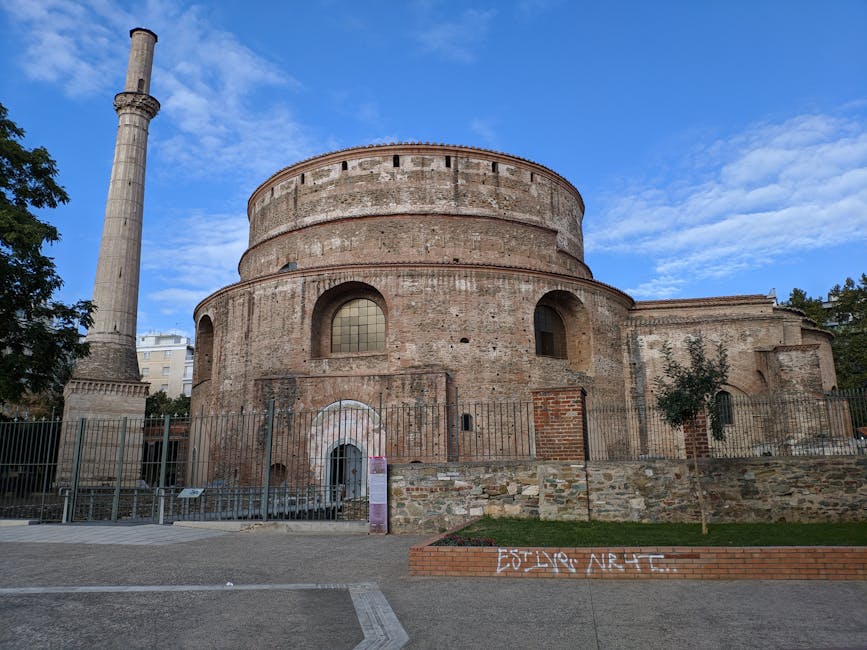
The Basilica di Santo Stefano, better known collectively as the “Complesso di Santo Stefano,” is made up of a cluster of interlocked churches. One of the highlights is the Rotunda, often identified as the Chiesa del Santo Sepolcro (Church of the Holy Sepulchre), a circular structure that recalls early Christian plans and is symbolically associated with Jerusalem. Address: Piazza Santo Stefano, 40125 Bologna BO, Italy. The visual impact of this rotunda — low vaults, shafts of light filtering through small windows, stone warmed by the sun — immediately transports the visitor out of time.
Inside the Rotunda you can clearly see successive layers of history: Romanesque and pre-Romanesque foundations sit alongside medieval additions. Fragmentary frescoes and carved panels bear witness to pious donations and the devotion of Bolognese families through the centuries. The rotunda’s special acoustics make it a favored venue for early music concerts or solemn services; sound seems to stretch and hang in the air, enhancing the sense of mystery. Entrance fee: free access to the basilica and most areas (suggested donation: €3). Note: some inner chapels may charge a small entrance fee during special exhibitions (fees between €3 and €5).
Opening hours (subject to seasonal changes): Tuesday to Sunday 10:00–13:00 and 15:00–18:00; closed Monday for maintenance. Masses and services: see the timetable at the basilica entrance or consult the parish website. For groups and guided tours, it’s recommended to book in advance with the Parrocchia di Santo Stefano (contact details at the entrance). Paid guided tours (in Italian/English) usually range from €40 to €90 for a group of up to 25 people, depending on duration and language.
Practical tips: photograph the interior without flash to preserve the frescoes; aim for the morning to catch the soft light that filters through the small east-facing openings. Wheelchair access is limited: some areas, notably the crypts and the Rotunda stairs, are not accessible. It’s advisable to wear respectful clothing (shoulders and knees covered) if you plan to attend Mass or enter sacristies.
Hidden Chapels and the Chiesa del Crocifisso: Discovering Intimate Sanctuaries
Set slightly away from the main flow yet still central to the complex, the Chiesa del Crocifisso is one of the chapels that illustrates the site’s intimate, devotional character. Exact address: Via Santo Stefano 24, 40125 Bologna BO, Italy (access from Piazza Santo Stefano). This small church, often less visited by tourists, houses devotional works and a crucifix venerated by the faithful. The walls show traces of successive restorations: medieval bases, Baroque touch-ups and 19th-century rearrangements.
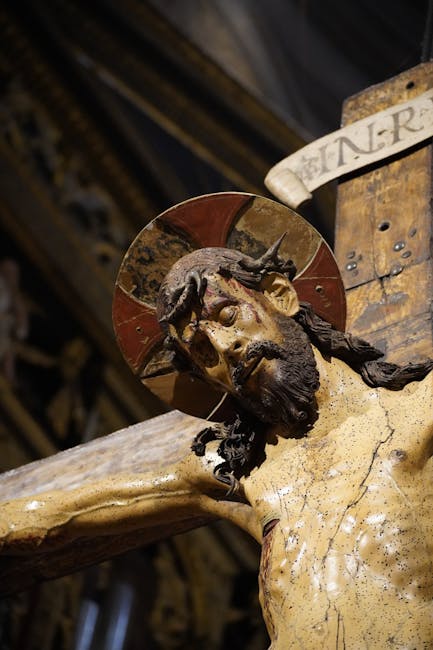
Visiting the Chiesa del Crocifisso offers a striking contrast with the more open Rotunda: volumes are smaller, light is hushed and attention focuses on specific elements — an altarpiece, a carved confessional, a memorial plaque. Locals say that confessors once used the small corridors of the complex for discreet spiritual conversations, away from public view. Entrance fee: free, voluntary donation (suggested €2). Hours: generally open on the same days as the complex, but the chapel may close earlier in the evening (often around 17:30).
For lovers of sacred art, the Chiesa del Crocifisso hides surprises in the details: finely worked woodwork, traces of old gilding, and sometimes popular ex-voto offerings left by worshippers. The modest scale of the space makes it particularly photogenic, with stark contrasts between shadow and light. Practical tip: if you want to photograph without disturbing prayer, come in the mid-afternoon when guided groups have dispersed; bring a fast lens (f/1.8–f/2.8) to capture details in low light.
The Cloisters and Secret Gardens: Quiet Spaces for Contemplation
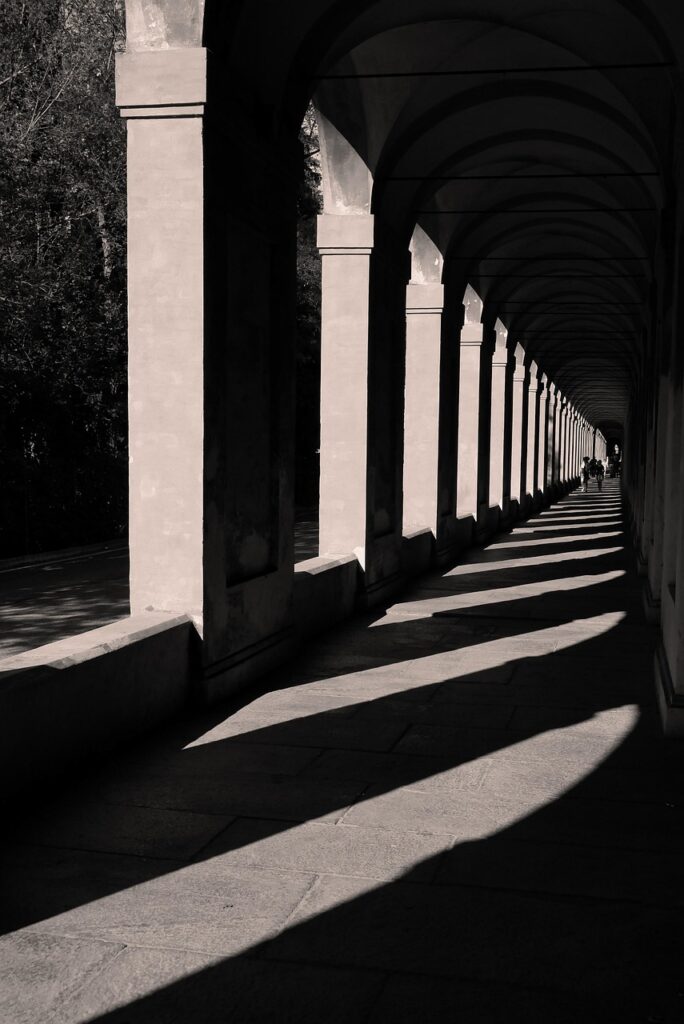
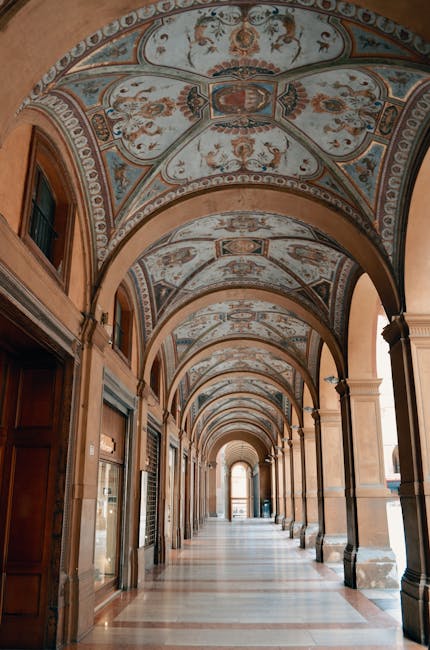
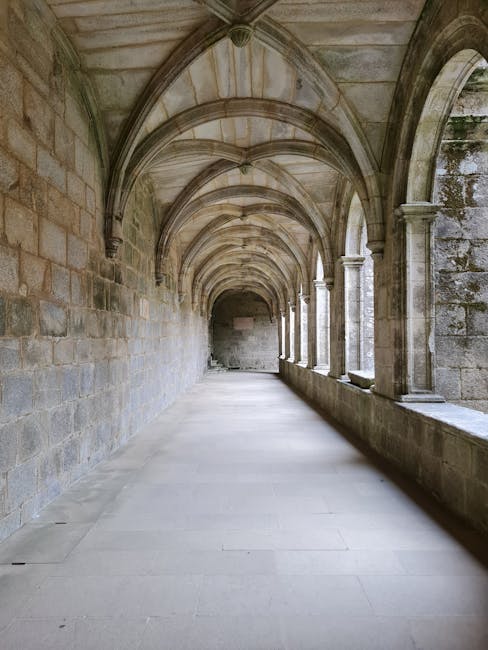
The cloisters of the Complesso di Santo Stefano are probably the most conducive spaces to silent wonder: small courtyards lined with arcades, columns worn by time, fragments of mosaics and intimate gardens where vegetation blends with stone. Several cloisters sit along the route, connected by corridors and gates that are hard to spot from the main square. Principal access to the cloisters: Corte dei Canonici, via Santo Stefano (entrance from Piazza Santo Stefano). These places reflect the contemplative vocation of the religious communities that once lived here in seclusion.
The Chiostro del Complesso di Santo Stefano shows a range of stylistic influences: some arcades are clearly Romanesque, with roughly carved capitals, while other elements point to Gothic and Renaissance interventions. In summer the cloisters become perfect settings for sacred music concerts at sunset, when golden light warms the stones and the cool shade invites pause. In winter, the same spaces feel hushed, with the scent of burning wood drifting from nearby small rooms.
Cloister entry fee: generally included with the complex visit; suggested donation €3. Access hours: open during the day, usually between 10:00–17:30, with closures varying according to private events (weddings, concerts). Local tip: ask at the entrance about visiting less-visible parts of the cloisters — sometimes closed to the public — because the parish may allow private visits for groups or under a guide’s supervision.
Practical tips for enjoying the cloisters: 1) Be prepared for uneven surfaces (cobblestones, ancient slabs) — comfortable shoes are essential. 2) If you’re photographing weddings or private events, respect requests for privacy and avoid using flash. 3) In summer, bring a water bottle and wear a hat: some cloisters have little direct shade. 4) Finally, respect the silence and the worshippers: cloisters are first and foremost places for contemplation.
Themed Routes, Guided Tours and Historical Anecdotes
To get the most out of Santo Stefano, several themed routes are on offer: the “archaeological” route focusing on the Rotunda and early-Christian structures; the “artistic” route centered on artworks, altarpieces and woodwork; and the “contemplative” route devoted to cloisters and prayer spaces. Contact and booking address: Parrocchia Santo Stefano, Piazza Santo Stefano, 2, 40125 Bologna BO, Italy. Phone (parish office): +39 051 XXXXXXX (check the official site for the number). Paid guided tours: €50 for a group of 1–10 people (Italian), €70 for 1–10 people (English); indicative prices, confirm before booking.
Historical anecdotes: it’s said that the complex’s deliberately labyrinthine plan was meant to remind pilgrims of the journey to Jerusalem, with each space symbolically reproducing a holy site. Another local legend claims that a network of underground tunnels once linked Santo Stefano to other convents and palaces in neighboring quarters, allowing religious inhabitants to move sheltered from bad weather and conflict. While these stories mix fact and folklore, they add to the site’s mysterious aura.
Visiting tips: book an early guided tour to avoid crowds (starting at 10:00); combine Santo Stefano with a stroll along Via dell’Indipendenza and a coffee under the nearby arcades. For photographers: the golden hour (the hour before sunset) produces exceptional light contrasts in the Rotunda and on the cloister façades. For families: the route can be long for young children; plan a break in a nearby café (for example, Caffè Terzi, via Guglielmo Oberdan 15, about an 8–10 minute walk).
Detailed Practical Information: Access, Prices, Hours and Local Tips
Location and access: Piazza Santo Stefano, 40125 Bologna BO, Italy. The complex sits in the historic center, an easy walk from Piazza Maggiore (about 8–10 minutes on foot). Public transport: ATAF city buses serve nearby stops (check routes from your starting point). Parking: ZTL (limited traffic) zones surround the historic center; it’s best to park in a peripheral lot (for example Parcheggio Giardini Margherita, Via Castiglione 113) and reach the site on foot or by bus.
General hours (indicative and subject to change): Tuesday–Sunday 10:00–13:00 / 15:00–18:00; closed Monday. For religious services: the main Sunday Mass at the Basilica di Santo Stefano is often around 10:30–11:00; weekday Masses in the morning (check the notice board at the entrance). Fees: free access to main areas; suggested donation €3–5. Guided tours: €50–90 depending on language and duration. Some chapels or temporary exhibitions may have a separate entrance fee (€3–7).
Etiquette tips: respect places of prayer; switch phones off or to silent; ask permission before photographing people in prayer. For pilgrims: confessions and spiritual meetings are available on request; inquire at the parish office. For school groups: several educational routes are offered, often with extra activities (contact the parish for details and fees).
Safety and comfort: keep your belongings close (the areas are generally safe, but tourist zones can attract pickpockets). Water: public fountains are nearby, but bring a bottle for long visits. Food: numerous trattorie and historic cafés surround Piazza Santo Stefano — for instance, Trattoria di Via Santo Stefano (address may vary) — serving Bolognese specialties. For a quick lunch, favor the small osterie around Via Clavature and Via D’Azeglio.
Conclusion: Why Santo Stefano Deserves a Thorough Visit
Santo Stefano is more than a collection of religious buildings; it’s a kaleidoscope of stories, art and spirituality. Every stone, chapel and cloister speaks of a practice of faith that has endured through centuries: from early Christian liturgy to medieval offices, from Renaissance reconstructions to Baroque altarpieces. The site’s richness lies not only in its major works but also in its details — a carved capital, a carefully hung ex-voto, an old lock on a wooden door — which together tell a human story.
Visiting Santo Stefano also means encountering Bologna’s less visible side, that of small communities, daily rituals and quiet moments. The cloisters provide precious pauses within a typically busy urban itinerary, and the Rotunda evokes the city’s deep historical and symbolic ties between East and West. For the modern traveler, the complex offers a rare balance: it’s both accessible (near Piazza Maggiore), full of surprises and discreet enough to provide personal experiences away from crowds at major tourist sites.
Practice respectful curiosity: check at entrances, observe opening hours, join guided tours when possible and let local guides share their little stories. Remember that some areas open only for exhibitions, concerts or services: consult the official Parrocchia di Santo Stefano site or the Comune di Bologna cultural listings before your visit to avoid surprises. Finally, make time to sit in one of the cloisters simply to listen. Those moments of silence, more than photographs, are what make the visit truly memorable.
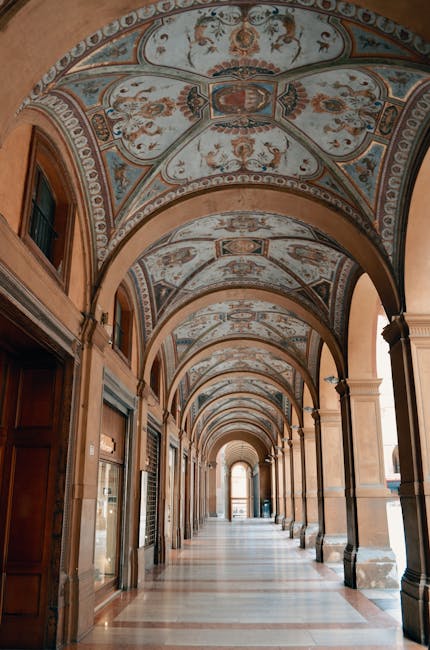
On your way out, pick up a postcard, chat with a volunteer if you meet one, and note a detail that moved you: a fresco, an arch, a garden. That intimate memory will be your personal key to Santo Stefano’s religious secret — a secret the city of Bologna generously shares with those who stop to listen.