


Introduction — A Deep Dive into Bologna’s Natural History Museums
Bologna isn’t just famous for its arcades, food and centuries-old university — it’s also a place where natural history comes to life through rich, often surprising collections. The city’s natural history museums offer an immersive blend of awe and learning: towering fossils, rare animal skeletons, educational dioramas, cabinets of curiosities and historic scientific instruments. Housed in settings that range from Renaissance palaces like Palazzo Poggi to university halls, these institutions trace the story of life, Italy’s geology and the teaching tools developed at the University of Bologna since the 17th century.
Contenu de l'article
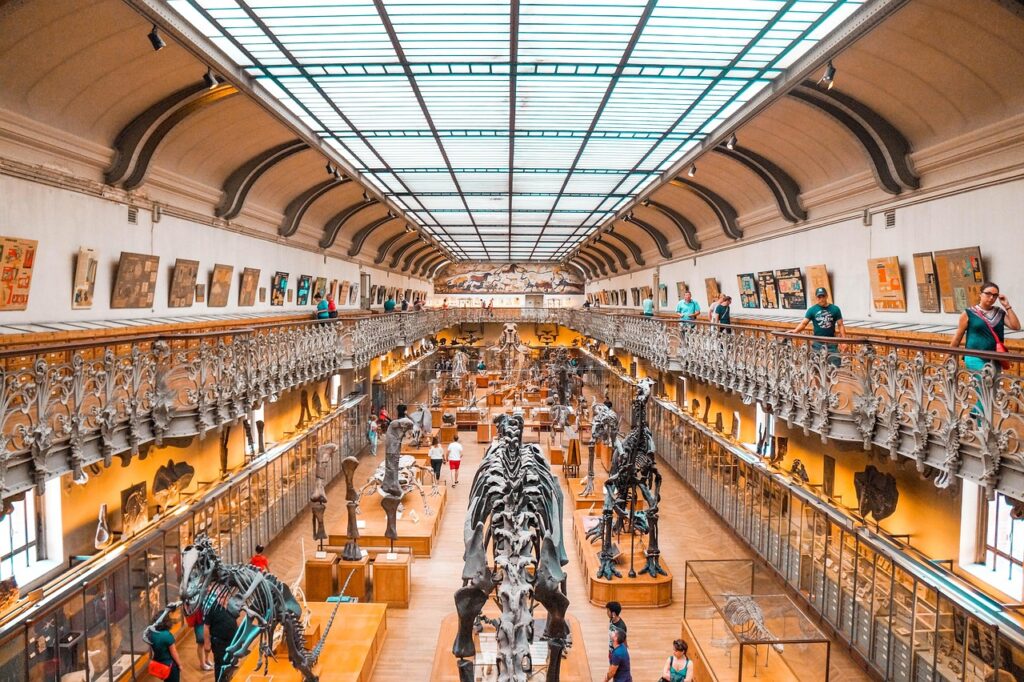
Visiting these museums means traveling through geological time and the history of science at the same time: you’ll encounter prehistoric mammals, meticulously curated entomology drawers, dinosaur remains, raw-and-beautiful minerals and anatomical cabinets that highlight Bologna’s long medical teaching tradition. As you move from room to room you’ll feel the close link between academic research and public education. Permanent displays sit alongside rotating temporary exhibitions, adding an energetic cultural dimension to any museum stroll.
In this article I’ll walk you through the main institutions and collections related to Bologna’s natural history. For each site I provide practical must-knows — exact addresses, admission fees, opening hours — as well as immersive descriptions: what to expect, surprising highlights, rooms to avoid near closing time, and tips to get the most out of your visit (best times for photos, stroller access, public transport, family tips, nearby cafés and bookshops). I’ll also share historical anecdotes, scientific highlights and suggested visual routes so your visit is both informative and memorable.
Whether you’re passionate about paleontology, into botany, a teacher planning a school trip, or a curious traveler looking to balance a culinary stay with a refreshing cultural activity, Bologna’s natural history museums have plenty to offer. They reveal a studious, curious side of the city firmly rooted in a knowledge tradition. Get ready to smell old books, admire neat entomology labels, marvel at fossilized tracks and understand how life on Earth has been — and still is — studied by generations of Bolognese scholars.
Museo di Palazzo Poggi — Naturalist Collections and Scientific Cabinets
The Museo di Palazzo Poggi (Università di Bologna) is a must-see to understand Bologna’s scientific tradition. Address: Palazzo Poggi, Via Zamboni 33, 40126 Bologna. Located in a Renaissance palace, the museum houses historic collections in physics, anatomy, botany and natural history. Together they offer a remarkable panorama of instruments and scientific preparations used from the 17th to the 20th century.
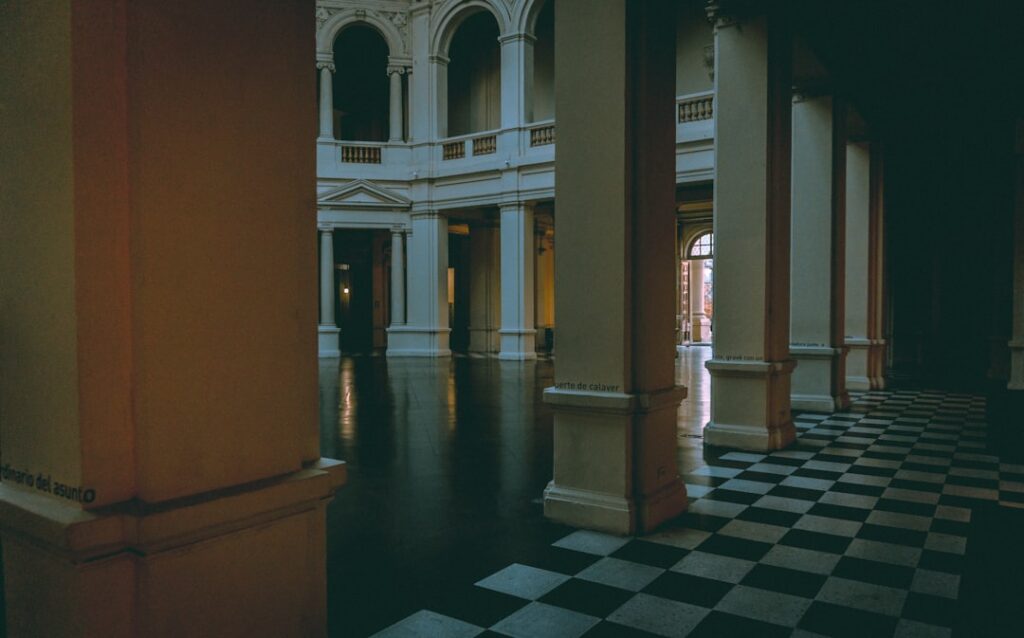
Opening hours (indicative — check before you go): Tuesday to Sunday, 9:30am–6:30pm; closed Mondays. Admission: full ticket around €6.00; reduced €4.00 (students, seniors); occasional free entries for EU residents under 26 or holders of specific cultural cards. The museum also runs paid guided tours and educational workshops for families and schools (booking recommended via the Università di Bologna official website).
Highlights include the wings dedicated to natural history cabinets: neatly organized entomology boxes, skins and skeletons of exotic animals collected during scientific expeditions, historic herbaria and mineral collections displayed like true cabinets of curiosity. The comparative anatomy rooms show osteological preparations and casts that tell the story of evolving medical teaching methods. The corridor atmosphere — frescoes and old display cases — gives the sense of stepping into a museum-laboratory that is frozen in time, yet very much alive.
Practical tips: arrive early to avoid school groups, which often show up late morning. The large windows provide ideal natural light for photography without flash, but respect areas where photos are prohibited (temporary exhibitions or sensitive rooms). The museum is partially accessible to visitors with reduced mobility — check at reception for the best route. Via Zamboni is lined with cafés and university bookshops: take the chance to grab an espresso before or after your visit.
Museo Geologico « Giovanni Capellini » — Rocks, Fossils and Italian Landscapes
The Museo Geologico Giovanni Capellini is devoted to geology, paleontology and Italy’s geological history, including the Alps. Address: Via Zamboni 63, 40126 Bologna (university headquarters; some collections may be spread across multiple rooms and annexes). The museum is named after Giovanni Capellini (1833–1922), an influential geologist and paleontologist whose work shaped Italian geoscience.
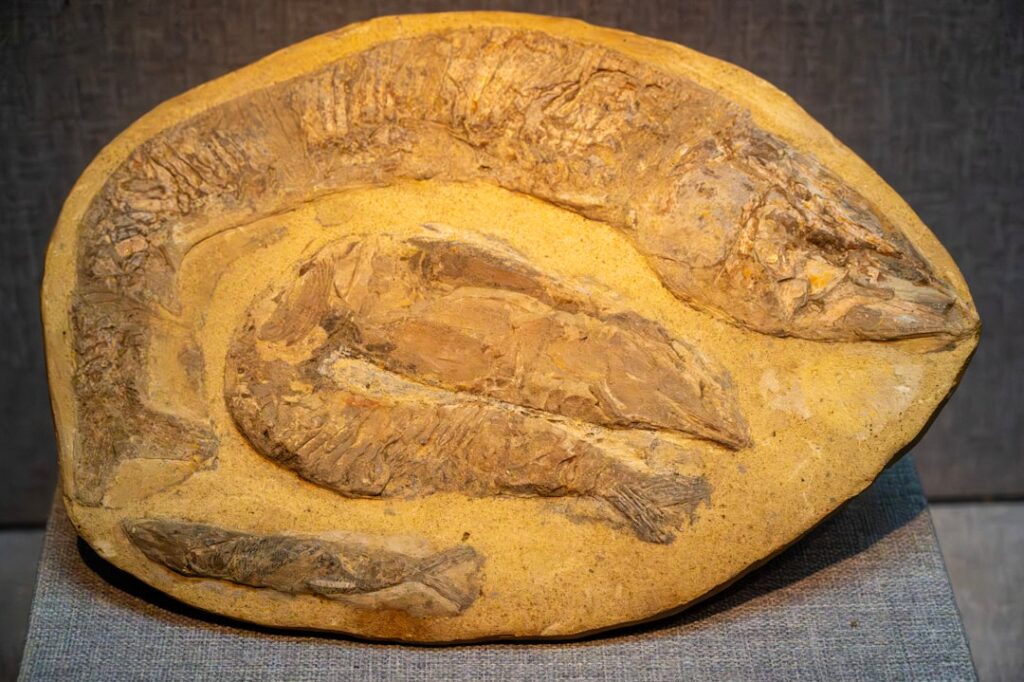
Opening hours: typically open Tuesday to Sunday, 9:00am–5:00pm; closed Mondays. Indicative prices: full ticket €5.00; reduced €3.00; occasionally combined tickets with other university collections are available. The museum regularly hosts temporary themed exhibitions (glaciations, tectonics, mineral resources) and offers educational trails for school groups.
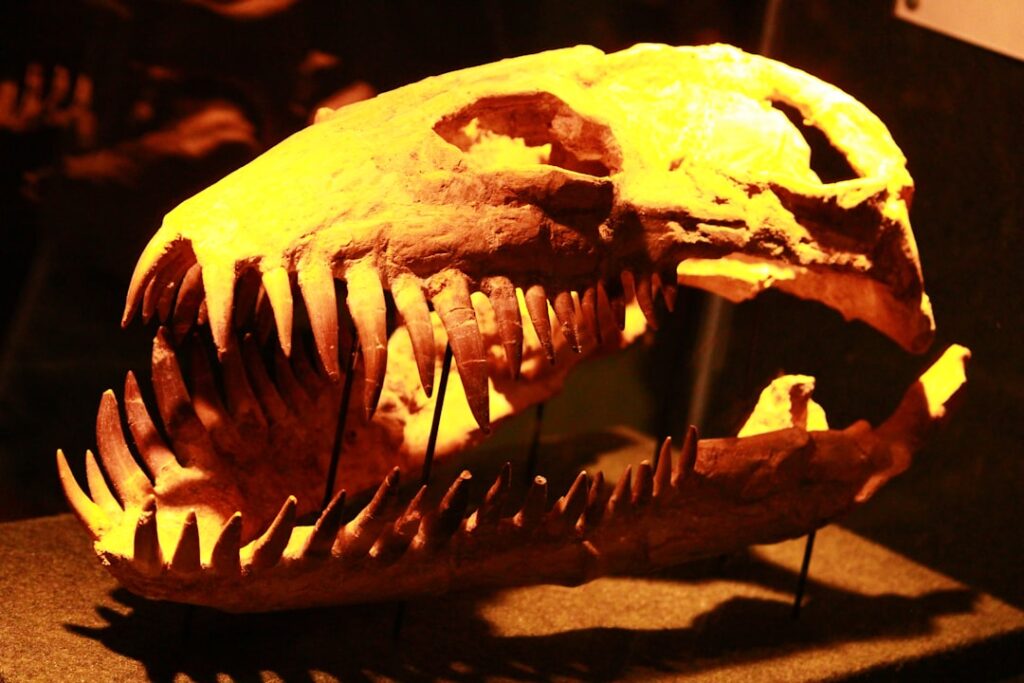
The permanent exhibition presents an impressive array of rocks, shiny minerals, clasts and polished sections, as well as iconic fossils like ammonites, trilobites and Pleistocene mammal remains. Informative panels guide you through the formation of the Apennines, the evolution of Italian landscapes and the effects of climate cycles on biodiversity. Displays focused on index fossils and stratigraphic sections are particularly popular with geology students.
Immersive experience: a room dedicated to major geological cross-sections lets you visualize landscape evolution over millions of years; tactile samples (under supervision) are sometimes available for children’s workshops. For photographers, the low-angle lighting in the mineral showcases reveals surprising color palettes in the stones.
Practical tips: wear comfortable shoes — you may need to walk between separate sections. If you’re interested in local ornithology, ask reception about trails that link geology to nearby habitats; this info is invaluable for walks in the hills around Bologna. Combined university tickets are a good way to save if you plan to visit several collections in one day.
Museo di Zoologia — Local Wildlife and Species from Around the World
The Museo di Zoologia in Bologna displays zoological collections covering animal diversity from invertebrates to vertebrates, with taxidermy specimens, skeletons and osteological collections. Address: Via Filippo Re, 6/B, 40126 Bologna (note: some university zoological collections may be located at different sites — check the exact address for the exhibition you want to see).
Opening hours: generally open Tuesday to Sunday, 9:00am–5:00pm; closed Mondays. Admission: full ticket around €5.00; reduced €3.00; family rates and free entry for children under 6 or for school groups upon request. The museum stages temporary exhibitions several times a year on themes like migratory birds, marine mammals or Mediterranean biodiversity.
Notable pieces include complete skeletons of birds and mammals, insect preparations organized by family, and panels explaining life cycles, conservation and threats to local species. Naturalistic dioramas recreate wildlife scenes — for example, Apennine environments or wetlands — and are especially engaging for kids because they tell a clear visual story.
Tips for photographers and families: mid-morning visits tend to offer softer light and fewer crowds. Glass cases can cause reflections; move slowly and use oblique angles to reduce glare. Parents will like the activity sheets available at reception to keep children engaged (treasure hunts, observation games).
Practical note: because some specimens are fragile, parts of the museum may not be stroller-friendly — ask reception for a map showing accessible routes. Researchers or specialists can sometimes access reference collections in the reserves by appointment.
Anatomy and Anthropology Collections — From the Microscopic to the Cultural
Beyond minerals and taxidermy, Bologna preserves significant anatomy and anthropology collections that bridge biological structure and culture. The University of Bologna houses historic pieces like casts, osteo-articular preparations and scientific photographic series. Main address for these collections: Dipartimento di Biologia (check the university museum reception for the exact room), Via Selmi 3, 40126 Bologna (some collections may be viewable by appointment).
Hours and fees: these collections are often accessible by reservation and during temporary public exhibitions aligned with the academic calendar; opening times vary (check the official website). When open to the public, fees are usually modest (often around €3–5) or free for students and teachers.
Immersive description: stepping into a historic anatomy room confronts you with the evolution of teaching techniques: illustrated anatomical plates, plaster casts, tissue and organ preparations, and sometimes handwritten labels from former professors. Temporary exhibitions on the history of medicine explain how dissection and observation shaped modern science. Anthropology adds a cultural dimension with ethnographic objects, tools, ornaments and photographs documenting populations studied in the 19th and 20th centuries.
Practical tips: because anatomical items can be sensitive, these spaces may be less suitable for very young children unless prepared in advance. Teachers will find excellent pedagogical resources for lessons on evolution, comparative anatomy and the history of science. If you want to photograph for academic use, request permission beforehand; rules on flash and picture-taking can be strict.
Suggested Route and Local Practical Tips for a Museum Day
To make the most of Bologna’s natural history museums, here’s a suggested itinerary and practical advice: start at the Museo di Palazzo Poggi in the morning (arrive around 9:30am), continue to the Museo Geologico Giovanni Capellini around midday, then finish at the Museo di Zoologia in the afternoon. This sequence follows a logical thread: history of scientific methods, understanding stones and geological time, then immersion in biodiversity.
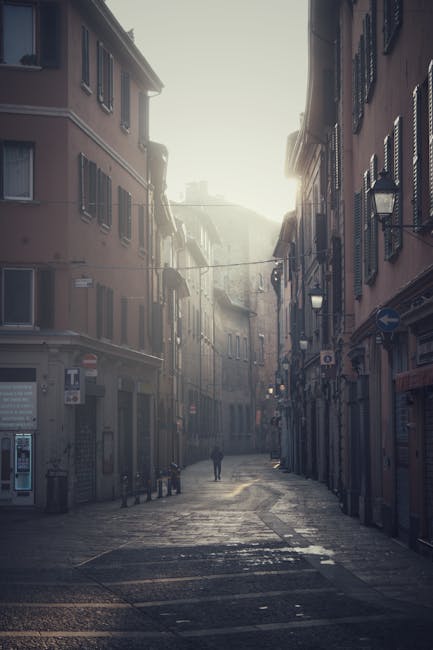
Transport and access: the university museum area is in the historic center, walkable from Piazza Maggiore (about 10–15 minutes depending on your starting point). Bus lines 20, 21 and 25 serve the university zone; the « Università » stop is often the most convenient. If you drive, check ZTL (limited traffic) zones and favor peripheral car parks like Parcheggio San Felice or Parcheggio Staveco and continue on foot or by shuttle.
Combined tickets and guided tours: look into combined tickets for multiple university collections — they often save money and can include priority entry. Thematic guided tours (paleontology, Alpine geology, history of medicine) are very rewarding and are sometimes offered in English. For school groups and families, book educational workshops in advance, especially during peak tourist season.
Eating and breaks: several cafés and small trattorie line Via Zamboni and Piazza Galvani; for a quick bite try a piadina or a local panino. For a heartier meal, Trattoria Anna Maria on a nearby street serves traditional Emiliano-Romagnolo dishes — check opening hours, as many trattorie close between lunch and dinner.
Photography and gear: bring a small tabletop tripod if you plan to shoot display cases without flash (some rooms allow this with permission). Pack a light bag and follow rules about silence and conservation — university museums care for fragile items. A notebook or a scan app for photographing info panels can enrich your visit for research or study.
Temporary Exhibitions, Events and Ways to Extend Your Visit
Bologna’s natural history museums run a busy calendar of temporary exhibitions and events all year: conferences, film screenings, kids’ workshop series and science evenings. Seasonal programs tackle current themes (threatened biodiversity, climate change, recent paleontological finds) and sometimes feature loans from other international institutions.
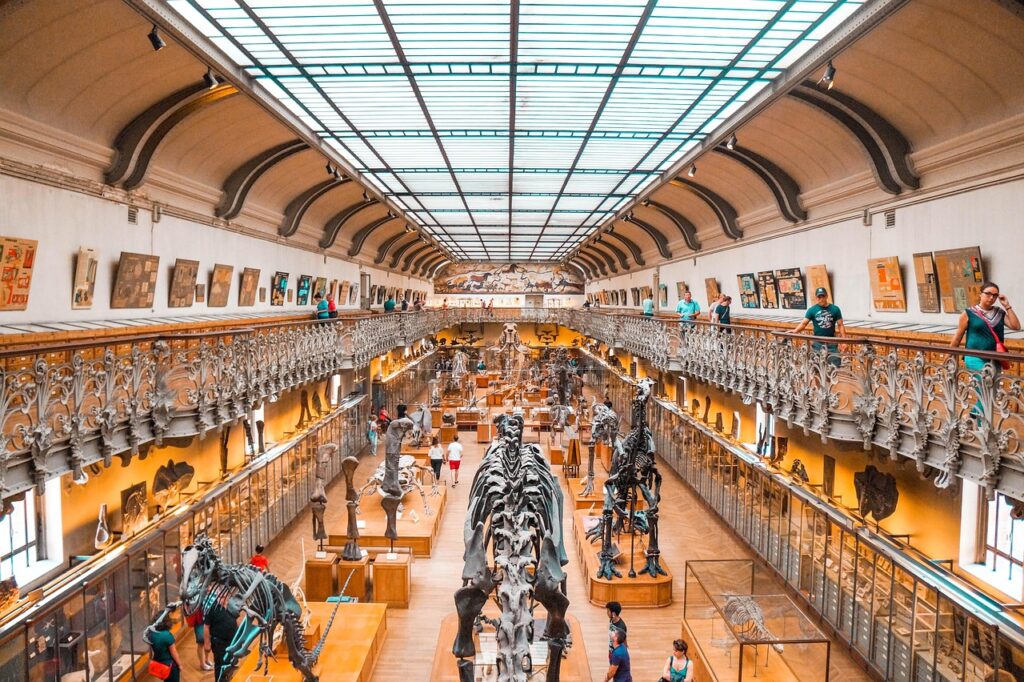
To find current exhibitions check the Università di Bologna and individual museum websites: they post calendars, special prices and online booking details. University « Musei in musica » nights or open nights sometimes offer reduced rates and guided nocturnal visits where lighting gives a unique atmosphere and highlights cabinets and fossils.
Extend your visit: pair museum time with a walk through the Archiginnasio collections (Biblioteca Comunale dell’Archiginnasio, Piazza Galvani 1), where the university’s history is visible in manuscripts and historic anatomical collections. For nature lovers, a trip into the nearby Apennine hills (for example, Riserva Naturale Gessi Bolognesi) links geology and wildlife observation perfectly.
Event tips: traveling with children? Check family workshops during school holidays — they fill up fast. Photographers should watch temporary shows focused on large fossils or rare minerals for exceptional photo opportunities, though these sometimes require an extra ticket.
Conclusion — Why You Should Include Natural History Museums in Your Bologna Trip
Adding Bologna’s natural history museums to your itinerary brings out the city’s academic, scientific side tightly bound to its university tradition. These museums are not mere displays; they’re living centers of research and teaching that tell, through often century-old collections, the story of the Earth and humankind, and the methods developed to study them. They provide a refreshing cultural pause between hearty meals: a morning spent deciphering a geological section, an afternoon marveling at a whale skeleton, or a quiet moment in front of a case of obsessively labeled insects.
Beyond the science, these museums offer experiences: touching rocks, reading strata like a geological novel, feeling the emotion of a fossil that speaks of vanished landscapes, and admiring anatomical casts that document medical history. They suit a wide audience: families, students, researchers, photographers and the casually curious. The practical details above (addresses, hours, fees) will help you plan a smooth visit; just remember to check online for day-specific opening times, especially for temporary exhibitions or around public holidays.
In short, Bologna’s natural history museums show how a city can combine heritage, research and education. They invite you to slow down, to read objects closely, to listen to the deep story of the planet and its species, and to leave with a richer perspective on the Emilia-Romagna region. Whether your interest is scientific, educational or simply curious, allow at least a half-day to visit one or two sites, and a full day if you want to explore several collections in depth. You’ll come away with vivid images, stories to tell and likely the desire to return for the next exhibition.