


Introduction
Bologna, the capital of Emilia-Romagna, charms visitors with a one-of-a-kind mix of medieval history, world-famous food, and a lively cultural scene. Nicknamed « La Rossa » for its terracotta roofs and « La Grassa » for its generous culinary traditions, Bologna is perfectly discoverable in 72 hours — three days that give you enough time to wander its vaulted streets, climb its iconic towers, taste authentic tagliatelle al ragù, and get lost in historic markets. This 72-hour plan is designed to make logistics simple while getting the most out of every moment: mornings for major sights, afternoons for wandering less-touristy neighborhoods, and evenings for eating and enjoying Bologna’s nightlife.
Contenu de l'article
Bologna’s architecture reads like an open book of Italian history: continuous arcades (the portici) shelter strollers and café-goers, grand squares like Piazza Maggiore, imposing religious buildings such as the Basilica di San Petronio on the same square, and two leaning towers — Torre degli Asinelli and Torre Garisenda — that rise in the city center and offer unforgettable views. Beyond the landmarks, the city is deeply academic: the University of Bologna, founded in 1088, injects youth and cultural energy that you feel in bookshops, bars, and events.
This 72-hour guide to Bologna is meant to reduce planning hassle while maximizing experiences: day-by-day routes, precise addresses, up-to-date prices and opening times, immersive descriptions, and practical local tips (where to buy specialties, how to use public transport, which tourist pass is worth it). Whether you’re a time-pressed traveler checking off sights or a slow traveler wanting to savor the local dolce vita, these 72 hours will give you a solid overview and a strong starting point for deeper exploration.
Practical tips: bring comfortable shoes (the cobbles and long arcades demand good soles), a light jacket even in summer for cooler evenings under the portici, and a reusable water bottle — there are many drinkable water fountains. To save time and money, consider the Bologna Welcome Card (available in 24/48/72-hour versions), which can include entry to several museums and local transport. And remember: the local food is not an optional extra but a central part of the trip — get ready to enjoy mortadella, tortellini in brodo, lasagne alla bolognese and a seemingly endless variety of fresh pasta.
 Click here to book your pasta and tiramisu class with wine
Day 1: Historic Heart and Iconic Monuments
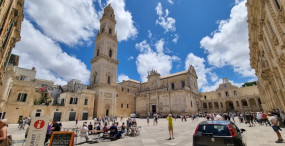
Start your first day in the heart of the city at Piazza Maggiore (Piazza Maggiore, 40124 Bologna). This central square is Bologna’s social and historic hub: surrounded by the Basilica di San Petronio, the Palazzo dei Notai, the Palazzo d’Accursio (Town Hall) and the Fontana del Nettuno. Basilica di San Petronio (Piazza Maggiore, 40124 Bologna) is one of the city’s major religious buildings — typically open around 9:00–19:00 (hours vary by season), with free access to the nave; guided tours and entry to certain chapels may cost extra (from about €3 for temporary exhibits or €5 for special access). Its unfinished façade and vast, low-vaulted interior create a solemn atmosphere; don’t miss the Oratory fresco and the baroque organ.

A short walk away, climb Torre degli Asinelli (Piazza di Porta Ravegnana, 40126 Bologna) — the taller of the two medieval twin towers — for a panoramic view of the city. Typical hours: usually 9:00–19:00 (longer during high season). Price: about €5–7 per person (reduced rates for students and seniors). The climb of 498 steps is physically demanding but rewarded with a 360° view over red roofs, the surrounding hills and, on clear days, the Alps in the distance. Next to it, Torre Garisenda is lower and noticeably leaning — a favorite for photos.

Next, head to the Archiginnasio di Bologna (Piazza Galvani, 1, 40124 Bologna) — the former seat of the University of Bologna. Typical opening times: roughly 9:00–19:00; admission around €5–7. The building houses the wooden Anatomical Theatre (when open to the public), stuccoes and a collection of student coats of arms covering the walls. The atmosphere evokes centuries of study and intellectual history; take an audio guide if it’s available.
For lunch, wander through the historic Quadrilatero area and Mercato di Mezzo (Via Clavature, 8, 40124 Bologna) where small trattorie offer mortadella, tigelle and other local specialties. Practical tip: try tortellini in brodo at a traditional osteria, and always ask if the pasta is homemade — quality varies. Expect to pay around €10 for a simple market portion, and €25–40 for a sit-down trattoria meal.
In the afternoon, explore the Museo Civico Archeologico (Via dell’Archiginnasio, 2, 40124 Bologna) if you enjoy archaeology; hours 9:00–19:00, tickets about €6–8. Alternatively, stroll under the portici of Via dell’Indipendenza down to the Fontana del Nettuno for classic photos. Finish the day with an aperitivo in the student quarter around Via Zamboni, where bars offer cicchetti and local wines from €3–6.
Click here to book a walking tour with tower and Archiginnasio views
Day 2: Museums, Art and Food Discoveries
Day two is devoted to art and food. Start at the Pinacoteca Nazionale di Bologna (Via Belle Arti, 56, 40126 Bologna), one of the region’s richest painting collections, housing Renaissance and Baroque works. Typical hours: 8:30–19:30 (check the usual weekly closure, often Monday); admission roughly €6–10 (reduced for students, free on some days). Take your time moving between rooms to admire works by Ludovico Carracci, Guido Reni and other Emilian masters.

Next, head to the Museo per la Memoria di Ustica (Piazza di Porta San Donato?) — note that exact names and locations of specialized museums can change; check with the Bologna Welcome desk (Piazza Maggiore, 1/c) for precise directions. For a more scientific or historical immersion, the Museo della Specola at the Archiginnasio or the Museo della Storia di Bologna (Via Castiglione 8 — verify the exact address when you visit) present collections that tell the city’s story through the centuries. Entry fees often run €5–8; opening times vary.

At lunchtime, book ahead or queue to try lasagna alla bolognese at a recommended trattoria like Trattoria di Via Serra (Via Luigi Serra, check local listings) or at a traditional osteria in the Quadrilatero. Portions usually cost €12–18; a plate of fresh homemade pasta is often the best value. For charcuterie tastings, visit the stalls at Mercato delle Erbe (Via Ugo Bassi, 25) where you can build a tasting plate for €8–15.
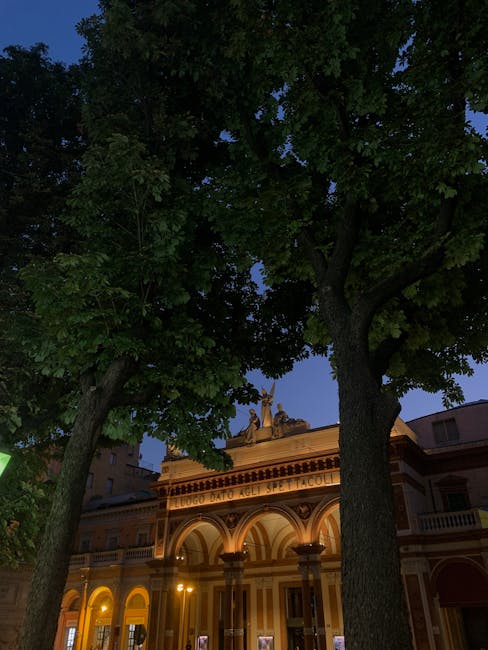
In the afternoon, explore the Santo Stefano district, including the Basilica di Santo Stefano (Piazza Santo Stefano, 40125 Bologna) — actually a complex of several medieval churches. Typical hours: 9:00–18:00; donations or a small contribution for upkeep are common. The atmosphere is more intimate and less touristy than Piazza Maggiore, perfect for quiet reflection and photos. If you enjoy music and theater, check the schedule at Teatro Comunale di Bologna (Via del Guasto, 1), which sometimes offers guided tours and concerts; ticket prices vary greatly (€10 to €100 depending on the event).
In the evening, for a truly local experience, book a table at a typical Bolognese osteria and finish with a local digestif. Dinner costs generally range from €25 to €60 depending on the place and number of courses. Local tip: start your night with an aperitivo (about €7–12 for a drink and a light buffet), very popular with students and young professionals.
Click here to book a lasagna and homemade gelato class
Day 3: San Luca, Panoramas and Alternative Neighborhoods
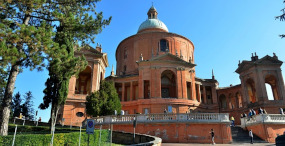
Day three is meant to take you slightly off the beaten path to discover an outstanding panorama and less-visited neighborhoods. Walk up (or take the mini-train or a bus) to the Santuario di Madonna di San Luca (Via di San Luca, 36, 40135 Bologna). The sanctuary sits atop a hill connected to the city by the world’s longest portico (which starts around Porta Saragozza). Hours: generally 6:30–19:30; access to the church is free, with voluntary donations welcome. The walk under the arcades is a local ritual — about 3.8 km of portici, dotted with chapels and viewpoints over the city.

For families or those with limited mobility, bus 20 from Piazza Maggiore goes to the foot of the hill; a single urban ticket is about €1.50–2. An enjoyable alternative is renting an electric bike to climb and explore the surrounding hills (rental prices around €15–40 per day depending on the model). At the top, the view over Bologna is stunning in the golden hours — sunset photos are highly recommended.

Head back down toward the Bolognina district and visit MAMbo — Museo d’Arte Moderna di Bologna (Via Don Minzoni, 14, 40121 Bologna) — for a contemporary touch; typical hours 10:00–19:00, admission around €6–10. Bolognina is a neighborhood in transition, home to artists’ studios, craft breweries and vibrant street art. It’s a great counterpoint to the historic sites and offers a fresh take on life in Bologna.
For a final typical lunch, look for a piadineria or a family-run osteria on Via San Felice or Via del Pratello — the latter is known for its small bars and nightlife. Lunch prices range from €8 to €20 depending on the place. Don’t forget to pick up some specialties to take home: a wedge of Parmigiano-Reggiano (expect €15–25/kg depending on quality), a pack of IGP mortadella (€8–15/kg), and a bottle of local olive oil if your luggage allows.
End your stay with one last stroll under the center’s arcades, a stop at an artisan gelateria (handmade gelato €2–4 per scoop) and a photo in front of the Fontana del Nettuno — its sculptures and central presence capture Bologna’s elegance and history. Practical departure tips: allow 30–45 minutes to get back to Bologna Centrale station (Piazza delle Medaglie d’Oro, 40121 Bologna) if you’re taking a train, or to reach Guglielmo Marconi Airport (BLQ) — the Aerobus Aeroporto (line BLQ) connects the station to the airport in 20–30 minutes, fare around €6–8.
Click here to rent an electric bike to explore the hills

Practical Tips, Prices, Transport and Smart Ideas
Getting around and saving money: the Bologna Welcome Card (available for 24, 48 or 72 hours) can be a good deal if you plan multiple paid visits and to use local transport. Indicative prices: 24h ≈ €12, 48h ≈ €18, 72h ≈ €24 (rates may vary — check online before buying). Public museums often offer reduced rates for students, under-18s, and free days; consult official sites (Pinacoteca, Archiginnasio, MAMbo, etc.) before your visit.

Transport: the historic center is very walkable thanks to the portici — walking should be your priority. For longer journeys, the TPER bus network and Aerobus shuttles to the airport are convenient. Standard bus ticket ≈ €1.50–2 for a single trip; 10-ticket booklets are often available to lower costs. Taxis have a base fare of roughly €3–5 plus about €1.20–2/km; use Uber only for some options (availability is limited).
Opening hours and seasons: high season (April–October) usually extends opening times for monuments and museums but brings more crowds. In January and February, some sites may have reduced hours. For restaurants, lunch generally starts at 12:00 and dinner from around 19:30; avoid arriving after 14:30 for lunch without a reservation, as many places close in the afternoon.
Money and tipping: most places accept credit cards, but keep some cash for small market purchases. Tipping is not mandatory: rounding up the bill or leaving 5–10% for exceptional service is appreciated.
Safety and etiquette: Bologna is generally safe, but like any large city, watch out for pickpockets in busy tourist areas (train station, bus stops, towers). Respect religious sites by covering shoulders and avoiding loud conversations in churches. Finally, try to learn a few Italian words (hello “buongiorno”, thank you “grazie”) — it often opens doors and earns smiles.
Conclusion
A 72-hour stay in Bologna offers the perfect balance between historic landmarks, a deep culinary immersion and contemporary cultural discoveries. In three days you can cover the essentials — Piazza Maggiore and Basilica di San Petronio, climb Torre degli Asinelli for an unforgettable panorama, explore the Archiginnasio and its Anatomical Theatre, visit the Pinacoteca Nazionale and modern museums, then escape up to the Santuario di Madonna di San Luca for a different perspective on the city. But beyond routes and monuments, it’s the way you live the city that stays with you: strolling under the portici, stopping for a coffee at the bar, listening to animated student conversations, and above all, taking the time to savor carefully prepared meals.
Plan smart: book certain tickets in advance (Torre degli Asinelli in high season, shows at Teatro Comunale), get a Bologna Welcome Card if you’ll visit many sites, and adjust your schedule to avoid peak crowds. Leave some flexibility for the unexpected — a local festival, a temporary exhibition or a tip from a resident can turn your planned itinerary into a memorable experience.
Finally, Bologna invites repeat visits. This 72-hour weekend is a solid foundation: it gives you the landmarks to return and explore Emilia-Romagna’s hills, neighboring towns (Modena, Parma) and artisan markets in more depth. Bring home not only photos and flavors, but the feeling of a warm, refined and lively city — a place where history and modern life coexist under the arcades and where every meal feels like a celebration and the next street corner already promises a new discovery.
Click here to experience the ultimate gelato tour in Bologna