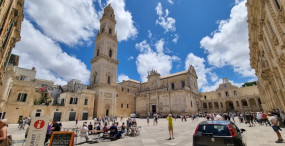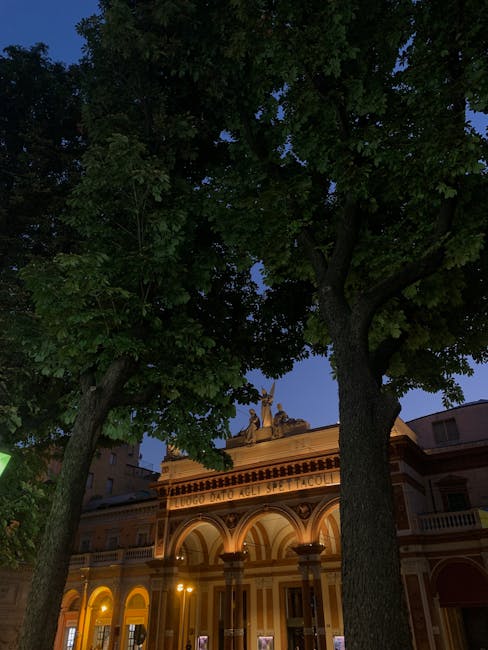



Introduction — Why 72 Hours of Slow Travel in Bologna?
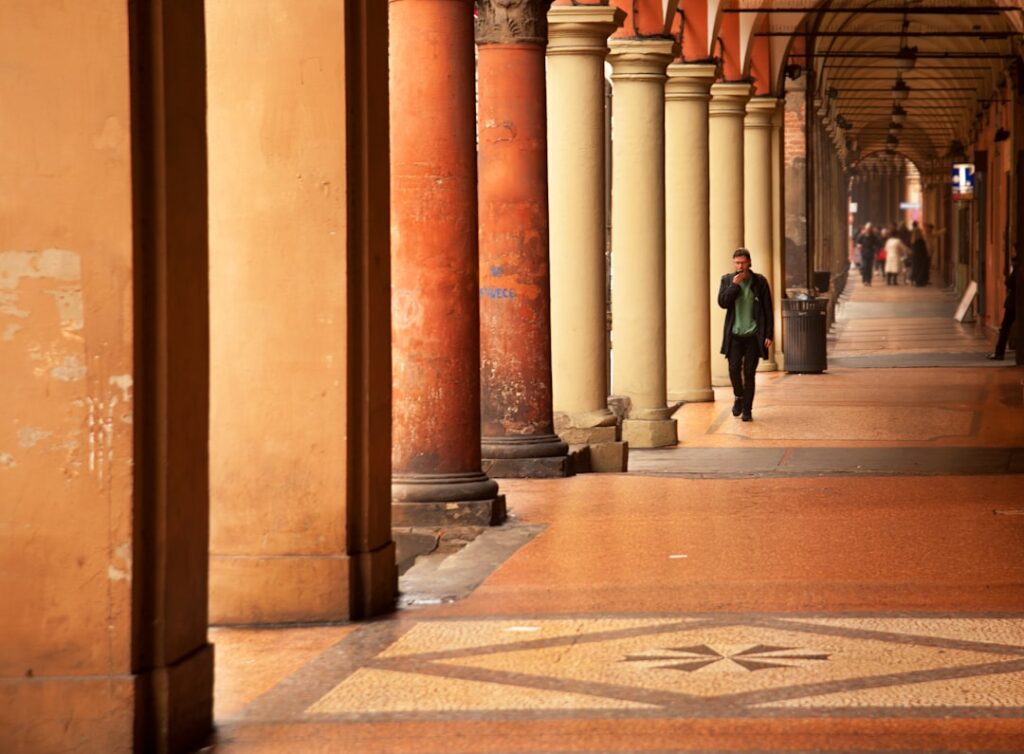
Bologna — la dotta, la grassa, la rossa: learned, indulgent, red — is a city best discovered at a relaxed pace. Over 72 hours, practicing slow travel means unpacking, slowing down and learning to live like a local: strolling under the porticoes, chatting at the bar, picking out your slice of mortadella at the market, sitting on church steps and watching life go by. Slow travel in Bologna isn’t about ticking off every sight; it’s about crafting a sensory itinerary that blends food, heritage, hands-on workshops and everyday moments that make a trip memorable.
Contenu de l'article
Unlike a typical city break where you try to see “everything,” these 72 hours invite you to go deeper: try two neighborhood trattorie, climb the Torre degli Asinelli at an unhurried pace to enjoy the view, have a coffee on a lesser-known square terrace and spend a morning at the Mercato delle Erbe chatting with a cheese seller. Bologna lends itself perfectly to this approach: it’s compact enough to explore on foot or by bike, its porticoes shelter you from bad weather, and its regional cuisine gives you plenty of reasons to linger at the table.
This guide lays out a structured three-day plan with specific addresses, suggested times, prices in euros, immersive descriptions and practical local tips (when to skip the queues, how to save money, and where to find authentic specialties). You’ll find suggestions for mornings, afternoons and evenings designed to slow you down without losing intensity: a lunch in the heart of the Quadrilatero, a restorative nap in a public garden, a cultural visit late afternoon when the light grazes the red bricks.
Finally, slow travel doesn’t mean isolation: it’s a chance to connect with Bolognesi, join a cooking class or buy ingredients from a local producer. The prices shown are approximate and can vary with season or events; check official websites for opening times before you go. Pack comfortable shoes, a small water bottle (public fountains are abundant), and a city map — then let Bologna’s gentle rhythm carry you.
Day 1 — Explore the Historic Heart and Savor Your First Taste of the City
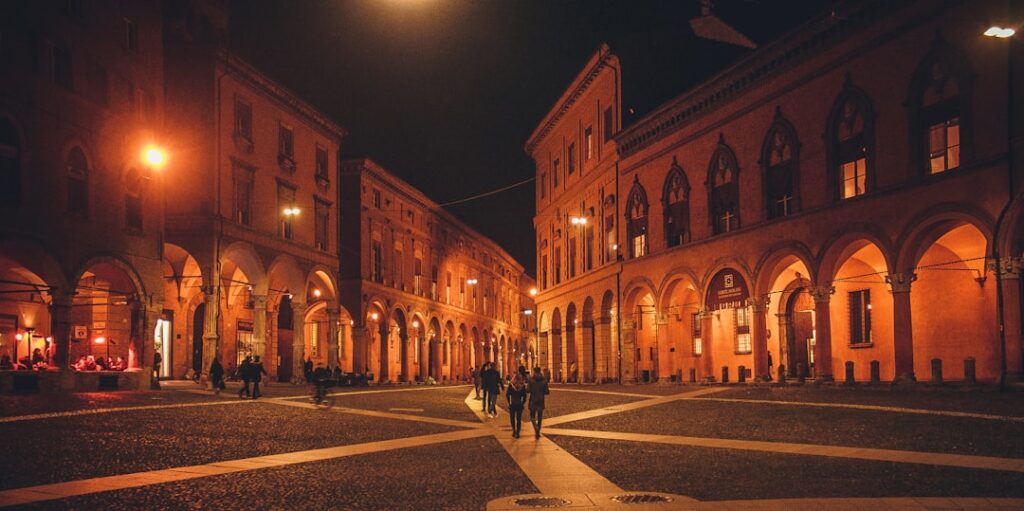
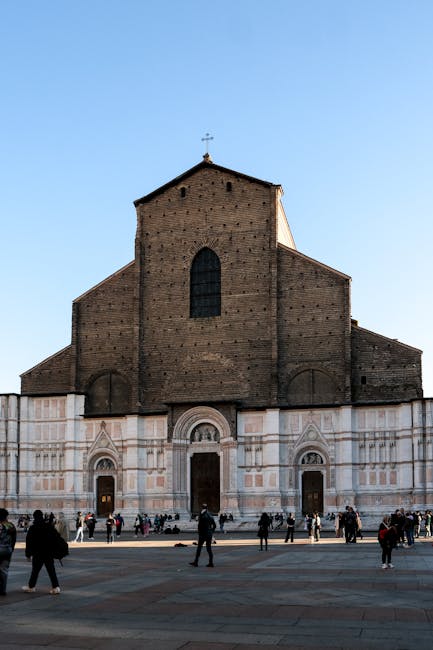
Start your first morning with a clean slate: head to Piazza Maggiore (Piazza Maggiore, 40124 Bologna) to feel the city’s pulse. This large square, flanked by the Basilica di San Petronio (Piazza Galvani 5, 40124 Bologna) and the Palazzo dei Notai, greets Bolognesi from dawn. The basilica, dedicated to Saint Petronius, is often open from 7:30 AM to 7:30 PM (free entry to the church; some chapels or guided-access areas may cost around €3–€5). Take time to study the unfinished facade and the bright interior, then walk the nave to spot the large solar dial and the side chapels.
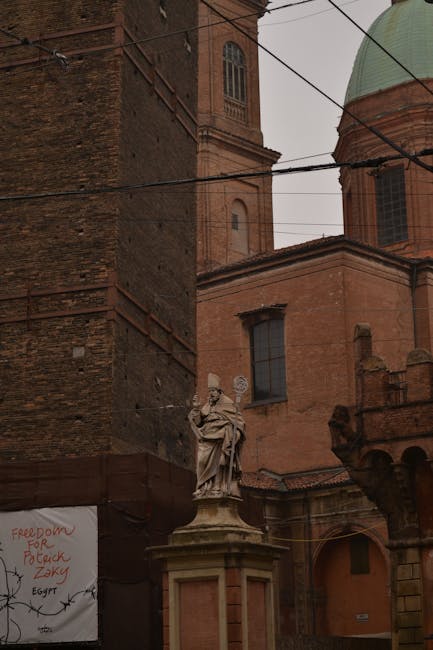
A short stroll away, visit the Archiginnasio di Bologna (Piazza Galvani 1, 40124 Bologna), the former seat of the medieval university. Typical opening hours are 9:00 AM–7:00 PM, entrance fee about €3–€5. The interior architecture, with the carved wooden Anatomical Theater, plunges you into the city’s scholarly past. Take an audio guide if you want anecdotes about university life in the 16th century.
Have lunch in the Quadrilatero, the historic market between Via Pescherie Vecchie and Via Rizzoli: try a piadina or tagliatelle al ragù in a small osteria. Market stalls and alleys sell ceramics, fresh produce and cured meats — normally open from about 8:00 AM to 2:00 PM; some stay open later. Budget for a market meal is roughly €6–€15 per person. For an authentic dinner on your first night, reserve a table at a neighborhood trattoria like Osteria dell’Orsa (Via Mentana 1, 40126 Bologna) — pasta dishes €7–€14, opening hours 12:00–3:00 PM and 7:00–11:00 PM; evenings fill up fast, so arrive early or book ahead.
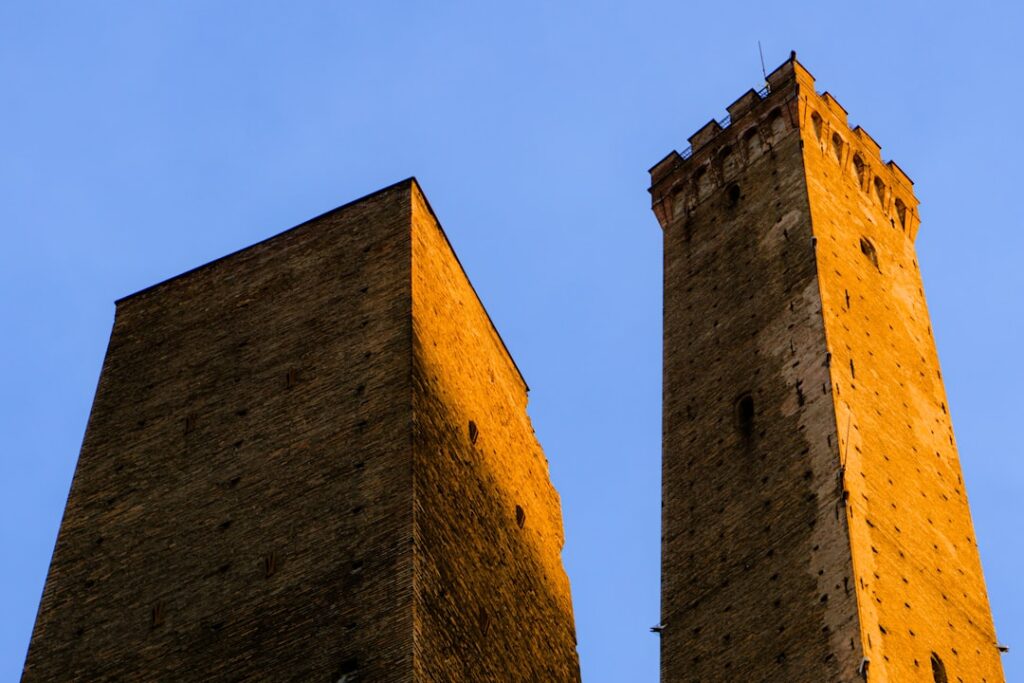
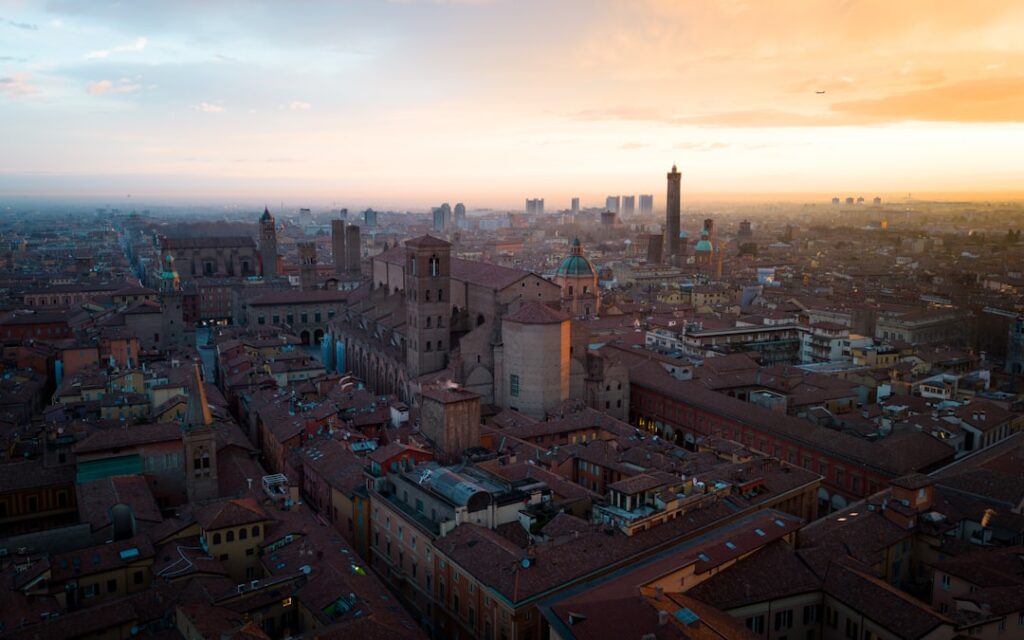
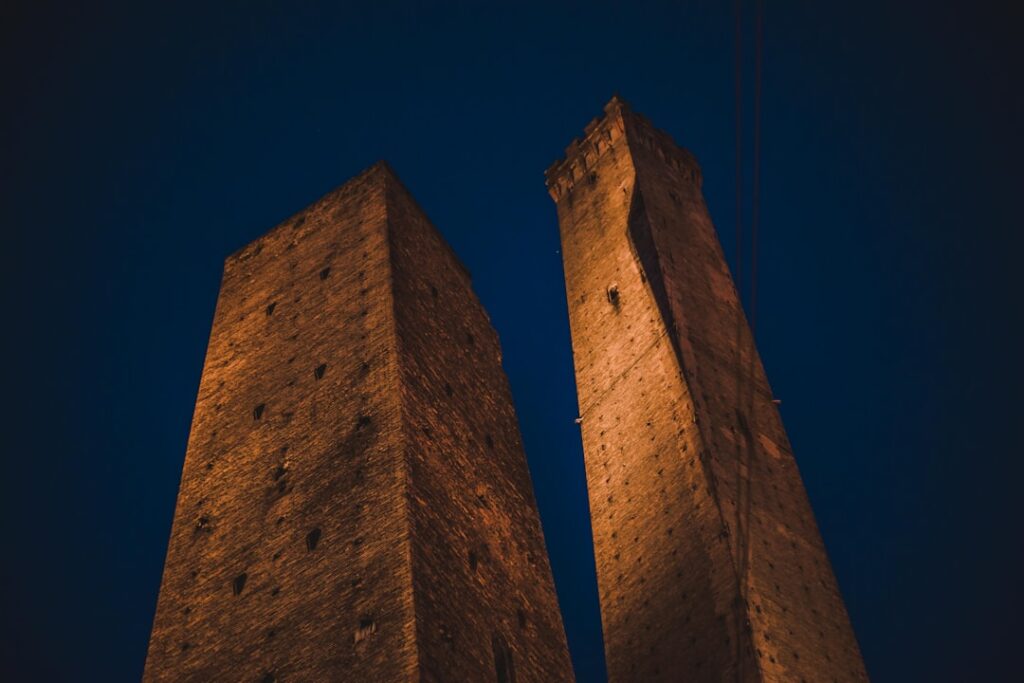
Late afternoon, climb the Torre degli Asinelli (Piazza di Porta Ravegnana 2, 40126 Bologna). Opening times vary, typically 9:00 AM–7:00 PM (extended in high season); adult tickets around €5–€6. The 498 steps are worth it: from the top you’ll enjoy panoramic views over red rooftops and the rolling hills of Emilia-Romagna. Aim to arrive in the late afternoon for golden light and to avoid the hottest hours. Practical tip: there’s no elevator and the stairwell is narrow — not ideal for the claustrophobic.
 Click here to book a walking tour of Piazza Maggiore and the Archiginnasio
Finish the day in a local wine bar, like Enoteca Italiana Bologna (Piazza VIII Agosto 2/B, 40123 Bologna) or an impromptu bacaro: sip a glass of Sangiovese (€4–€8 a glass depending on selection) and sample a few cicchetti (local small plates) for a budget of €8–€20 per person. Opt for places frequented by locals off the main tourist routes for a genuine Bolognese vibe.
Day 2 — Markets, Cooking Workshops and the Student Quarter
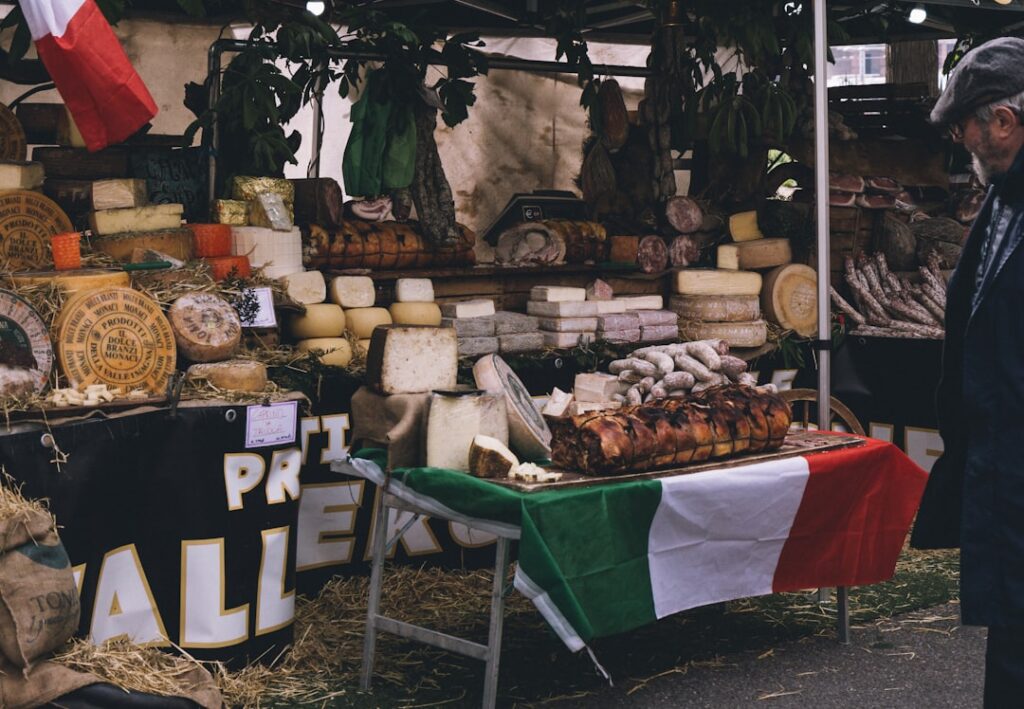
On day two, slip into the morning routine of the locals. Start at the Mercato delle Erbe (Via Ugo Bassi 25, 40121 Bologna), a covered market usually open from 8:00 AM to 2:00 PM (some stalls stay open until 6:00 PM in high season). Pick up Parmigiano-Reggiano, prosciutto di Parma or IGP mortadella. Price examples: 100 g wedge of Parmigiano-Reggiano ≈ €2.50–€4; whole mortadella varies, sliced portions at stalls often €2–€5 depending on the vendor.
Click here to book a market tour with tastings
Sign up for an afternoon cooking class: many local cooks offer 2–4 hour sessions focused on fresh pasta (tagliatelle, tortellini) and ragù alla bolognese. Typical provider: Le Cesarine Bologna (home-hosted workshops, online booking), prices around €60–€95 per person for a full hands-on class with tasting (about 2.5–3 hours). These workshops are immersive: you learn to knead, roll and stuff the pasta, then sit down to share the meal you’ve prepared.
Click here to book a home-hosted pasta class
After your culinary efforts, wander through the university quarter around Via Zamboni and the Biblioteca dell’Archiginnasio. Student cafés and secondhand bookshops give a glimpse of the city’s intellectual life. For a break, stop by Caffè Terzi (Via Oberdan 13/A, 40126 Bologna), a specialty coffee shop with espressos from about €1.10–€1.80 depending on preparation, open 8:00 AM–8:00 PM.
In the evening, explore trattorie further from the centre, for example Trattoria Anna Maria (Via del Pratello 16, 40122 Bologna) in the lively Pratello neighborhood — traditional dishes €10–€18, open 12:00–2:30 PM and 7:00–11:00 PM. Pratello is also perfect for a night walk: walls covered in graffiti, live music bars and small squares where locals gather. Local tip: to avoid tourist surcharges, ask for the “menù del giorno” (menu of the day) — often cheaper and more authentic.
Day 3 — Museums, Hills and Slow Moments
The final day is for slow contemplation: start at the Museo Civico Archeologico (Via dell’Archiginnasio 2, 40124 Bologna) or the Museo per la Memoria di Ustica, depending on your interests. Museo Civico typically opens 9:00 AM–7:00 PM, entrance about €6 (reduced rates may apply). These museums tell the ancient and medieval story of the region and often host well-curated temporary exhibitions.
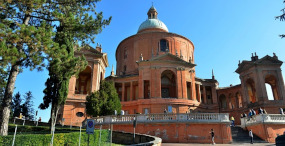
Next, take a bus or taxi to the sanctuary of San Luca (Via Saragozza 136, 40135 Bologna). You can follow the world’s longest portico: 666 arches stretching around 3.8 km up to the hilltop. The Basilica of the Madonna di San Luca is usually open 6:00 AM–6:30 PM; access is free. The walk up takes about 1–1.5 hours depending on your pace, with viewpoints along the way offering scenic vistas of the city and countryside. To return without tiring yourself out, take the small tourist train (local tram or shuttle depending on season): round-trip ticket ≈ €6–€10.
Click here to book a guided visit to the San Luca sanctuary
For your last dinner, opt for a place focused on local produce: Ristorante Da Cesari (Via de’ Carbonesi 8, 40123 Bologna) is a family-run institution serving traditional Bolognese dishes with often seasonal ingredients; main courses €12–€25, service 12:30–2:30 PM and 7:00–11:00 PM. End the evening with a final espresso or digestif in a cozy spot, watching the lights shimmer on the red facades.
Practical tips for this last day: check museum opening times (many close on Mondays), buy tickets for popular attractions online to skip the queues, and carry some cash for small trattorie that may not accept cards. If you have a late train, consider one last stroll along Via dell’Indipendenza for some last-minute gourmet purchases.
Conclusion — Take Bologna Home with You
These 72 hours in Bologna, designed around slow travel principles, aim to do more than let you see the city: they seek to let you feel, taste and understand it. By taking the time to listen to the city — the hum of conversations under the porticoes, the vendors’ calls at the market, the soft scrape of fresh pasta on a board — you’ll slip into the local rhythm and leave with memories that last far beyond photos. Each address in this guide includes practical details (addresses, hours and prices) to help you plan, but don’t forget that the essence of slow travel is leaving room for the unexpected.
Before you go, keep a few practical tips in mind: favor walking and cycling to experience the city at street level; check for exceptional closures (Sundays and public holidays can alter museum and market hours); and don’t be shy about chatting with shopkeepers — a compliment about a charcuterie often opens a conversation and sometimes a private tasting. Also verify payment methods (some small osterie accept cash only or have card minimums).
Finally, adapt this itinerary to your tastes: extend a market morning if you’re a foodie, drink more coffees if you enjoy people-watching, or spend extra time in a museum if art calls to you. Bologna encourages slowness: its streets, squares and restaurants are invitations to slow down and savor. Leave wanting to come back, because even after 72 hours the city still keeps secrets — hidden alleys, neighborhood trattorie and hilltop views waiting for your next visit.