


Introduction: Why Explore Bologna’s Alternative Cultural Hubs?
Bologna, the capital of Emilia-Romagna, is often celebrated for its medieval arcades, towers, and outstanding cuisine. But beneath that historic surface lies a thriving alternative cultural scene driven by independent, self-managed centers that mix art, music, cinema, political debate, and social innovation. These spots — often housed in repurposed factories, garages, or industrial buildings — offer a different way to read the city: less touristy, more local, and highly participatory. Visiting them helps you understand an essential side of contemporary Bolognese identity — the one that invents, resists, and connects.
Contenu de l'article
This guide is for curious travelers and locals who want to stray off the beaten track. You’ll find immersive descriptions of recognized alternative cultural centers in Bologna, precise addresses, practical info (hours, prices), and tips to prepare your visits. Whether you’re after indie film screenings, an underground concert venue, a self-run art workshop, or an association-run café to meet locals, these places offer often-unique experiences where the audience frequently becomes part of the show.
Alternative centers are also civic laboratories: they host exhibitions by emerging artists, residencies, debates on urban planning, language classes, mutual-aid networks, and ecological initiatives. Visiting them lets you witness how a community reinvents itself in the face of contemporary challenges. But note: unlike institutional museums, their opening hours can be unpredictable, events may be ticketed or “pay-what-you-can,” and many spaces operate largely thanks to volunteers. In this guide, each entry lists indicative prices, typical hours, and practical tips to make the most of your visit.
Finally, exploring Bologna’s alternative cultural hubs is a great way to taste local conviviality: association cafés offering vegetarian dishes, improvised coworking corners, activist bookshops, live music venues that start late and sometimes charge just a few euros. You’ll learn to juggle online reservations and on-the-spot spontaneity, respect the codes of self-managed spaces (participation, respect, solidarity), and plan your itinerary by neighborhood — from the historic center to rehabilitated industrial outskirts. Ready to go off the usual tourist tracks? Let’s head to the places where culture is being remade in Bologna.
Must-See Centers: Addresses, Hours and What to Expect
This chapter gathers several alternative cultural centers in Bologna that embody local social and artistic creativity. Each space has a strong identity: music programs, film screenings, DIY workshops, activist bookshops, or collective kitchens. Below I describe their atmosphere, exact address, typical hours, usual prices, and practical tips for visiting.
XM24 – Spazio di Autogestione
Address: Via Fioravanti 24, 40121 Bologna BO
Typical hours: open most evenings (Tuesday–Saturday) from 19:00 to 02:00; daytime activities and workshops on weekends — check the Facebook page for the day’s program.
Price: free entry depending on the event; concerts and parties 5–15 €; some screenings free or donation-based.
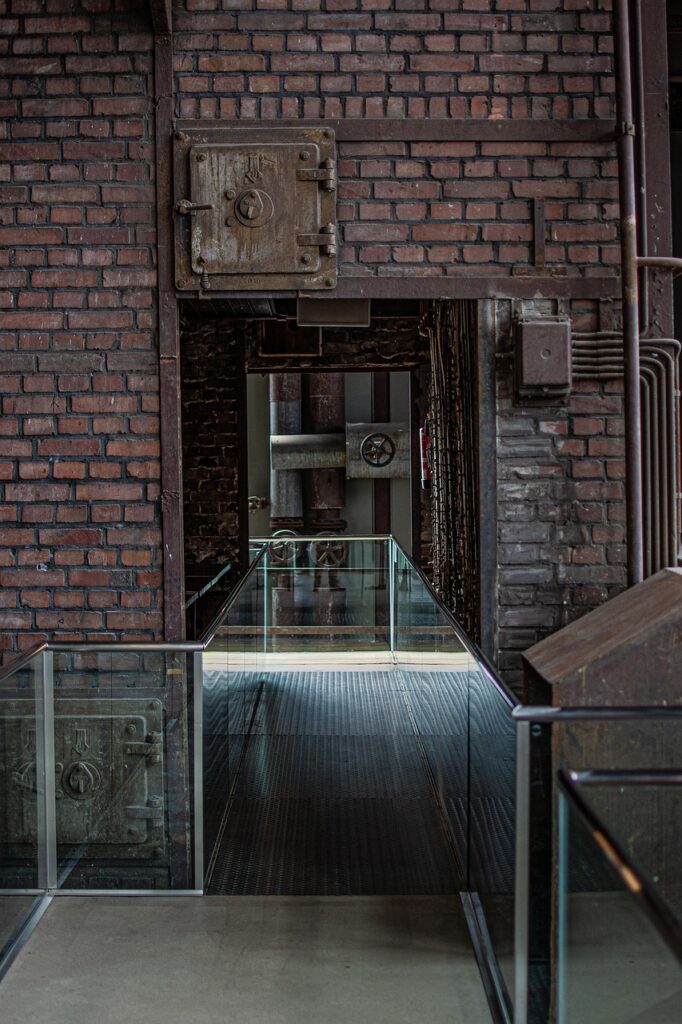
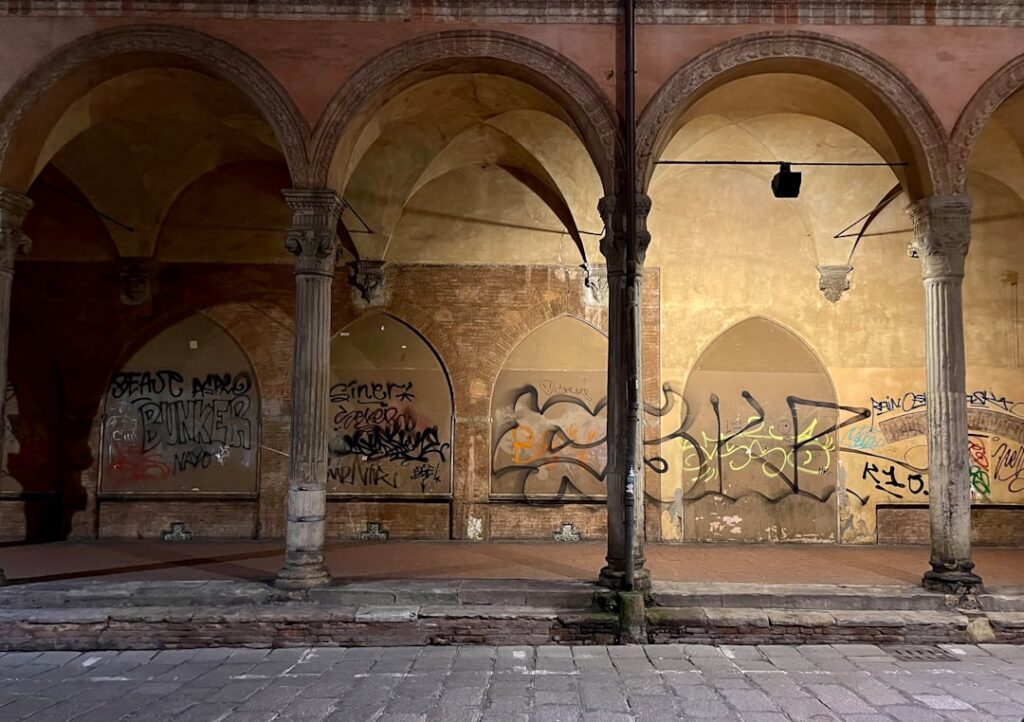
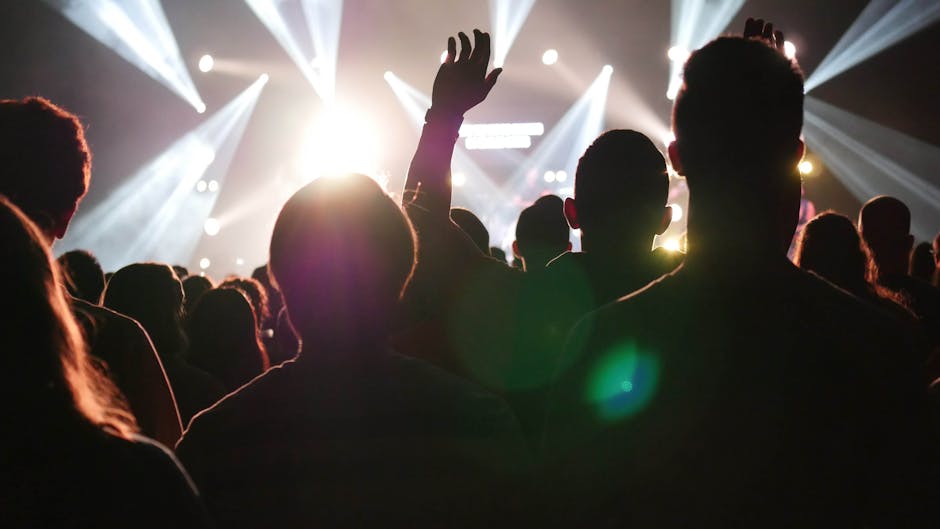
XM24 is one of Bologna’s best-known alternative centers, set in a former industrial depot in the Navile district. The space features a large concert hall, a collective kitchen, a self-managed bar, and exhibition rooms. Walls are often covered in graffiti and event posters, and the vibe is relaxed and activist. Expect punk and electronic gigs, international DJ nights, militant film screenings, screen printing workshops, and political debates.
Practical tips: arrive early for popular concerts (21:00–22:00) if you want to avoid queues; bring cash for drinks, as some events may not accept cards. The bar usually offers vegetarian/vegan options priced around 4–7 €. Follow safety and venue rules — volunteers on site will be happy to point you toward ongoing initiatives.
TPO (Teatro Polivalente Occupato)
Address: Via Azzo Gardino 44, 40122 Bologna BO
Typical hours: evening activities (18:00–02:00); some workshops and meetups on Saturday afternoons. Check the online calendar before visiting.
Price: donation-based or 3–12 € for shows and concerts; workshops often pay-what-you-can.
TPO is a hybrid space — part theater, part concert venue, part cultural center. Known as the Teatro Polivalente Occupato, it stands out for multidisciplinary programming: experimental theater, indie concerts, street festivals, and film screenings. The venue mixes reclaimed furniture, modular stages, and a small outdoor stage used in warmer months. Its audience is mixed — students, artists, families during weekend workshops, and alternative scene fans.
Practical tips: if you plan to attend a play or concert, book via Facebook or email a week in advance — the venue is small and popular nights fill up fast. TPO sometimes runs pay-what-you-can events — a great chance to see quality performances at a reduced cost. Access is often informal — look for volunteers at the entrance and follow their directions to find the room.
Il Cassero – LGBT Center
Address: Via Don Minzoni 1, 40121 Bologna BO
Typical hours: Tuesday to Friday 15:00–21:00; themed nights and special events often on weekends (see calendar).
Price: most events are free or 3–10 €; bar and optional membership (20–30 € / year) for certain activities.
Founded as a reference point for Bologna’s LGBT+ community, Il Cassero combines a cultural space, a small club, a specialized bookstore, and a program of exhibitions and debates. Located near the train station, it’s accessible and welcoming. Nights are often themed (drag nights, queer parties, intimate concerts), with a strong artistic presence. It’s also a key place for information and support: consultations, support groups, and awareness events are regularly organized.
Practical tips: if you’re looking for an inclusive night out, check the schedule for themed “serate” and arrive early to avoid queues. Il Cassero is deeply socially engaged — don’t hesitate to ask for information about local resources if you need support or contacts. For visitors, drinks and snacks typically cost between 3 and 8 €.
Cineteca di Bologna – Il Cinema Ritrovato and Independent Spaces
Address: Cineteca di Bologna, Via Riva di Reno 72, 40122 Bologna BO
Typical hours: ticket office and evening screenings generally 15:00–23:00; programming varies with festivals (see the official site).
Price: films and retrospectives 5–12 €; reduced rates for students and seniors; festival passes vary.
The Cineteca di Bologna is an institution dedicated to film preservation and programming, but it works closely with alternative spaces to offer retrospectives and restored screenings. The festival “Il Cinema Ritrovato” (usually in July) turns the city into a cinematic celebration, with outdoor screenings and events in unusual venues. Outside major festivals, the Cineteca hosts themed sessions, film restoration workshops, and meetings with directors.
Practical tips: for high-profile screenings, buy tickets in advance online or at the ticket office the morning of the screening. Screening venues can vary — check the address on your ticket (some sessions take place at Cinema Lumière or in repurposed spaces). If you prefer original-language films, the Cineteca often lists language and subtitle info on the schedule.
Neighborhoods, Logistics and Tips for a Better Alternative Experience
Visiting Bologna’s alternative cultural centers isn’t just about stepping through a door: it’s about immersing yourself in a local culture that’s often participatory and fluid. This section offers practical tips on how to get around, integrate into events, and respect the codes of these spaces.
Getting around: most centers are within walking distance from the historic center, but some are on the outskirts (Navile, Bolognina, San Donato). The TPER bus network is reliable; buy a ticket (1.50–2.00 € depending on duration) at kiosks or via the TPER app. Cycling is also a great option: Bologna is relatively flat and many streets have bike lanes. For late-night returns, opt for shared rides (taxi or local apps) if you’re coming back after midnight.
Tickets and memberships: many alternative events operate on a contribution or pay-what-you-can basis. If you enjoy a concert or activity, consider contributing or joining if you can — it helps these spaces keep running. Some nights have a fixed ticket price, usually between 3 € and 15 € depending on the program.
Respect the spaces: these centers mainly survive thanks to volunteers and space reuse. Follow the rules (waste sorting, no smoking indoors), be on time if a workshop starts at a set hour, and remember most volunteers work for free: a simple thank-you or a financial contribution is much appreciated.
Safety and accessibility: renovated buildings can have steep stairs or limited access for people with reduced mobility; check in advance if you have specific needs. Also, avoid leaving valuables unattended at night and prefer small zipped bags in crowded places.
Two-Day Sample Itinerary to Experience the Alternative Scene
If you have 48 hours in Bologna and want to dive into the alternative scene, here’s a detailed itinerary with suggested times and food breaks. This route mixes visits, concerts, and convivial moments, while leaving room for the improvisation that’s key in this scene where schedules can change.
Day 1 – Afternoon and evening:
- 15:00 : Start at the Cineteca di Bologna, Via Riva di Reno 72. Check out the exhibition or an afternoon screening (tickets 5–8 €). Duration: 1.5–2 hours.
- 17:30 : Walk to the Navile district for a light café-dinner in an association-run café (dishes 4–10 €).
- 20:00 : Evening at XM24, Via Fioravanti 24. Concerts and DJ sets, entry 5–12 €. Expect a young, alternative, and international atmosphere. Bring cash and arrive between 20:30 and 21:30.
Day 2 – Morning and afternoon, then evening:
- 11:00 : Brunch at a cultural bar; many centers host collaborative brunches on weekends (price 6–12 €).
- 13:00 : Visit Il Cassero (Via Don Minzoni 1): bookstore, info desk, and perhaps a temporary exhibition. Free entry; contributions to activities possible.
- 16:00 : Join a workshop at TPO (if registered in advance): screen printing, theater, or music (workshops 5–20 €).
- 21:00 : Finish with a screening or concert at the Cineteca or another collaborative venue. Bologna’s alternative nightlife often runs until 02:00.
Practical tips: plan your weekend in advance by checking Facebook pages and official sites for each venue. Many events require reservation or pre-membership. Allow extra time between activities, especially if you plan to eat in an association-run space — kitchens can be slow because volunteers prepare the meals.
Conclusion: Immersing Yourself in Bologna’s Alternative Cultural Life
Bologna’s alternative cultural centers are a fascinating gateway into a city in motion. They form a living fabric of artistic, social, and political initiatives that challenge traditional formats. The places highlighted in this guide — XM24, TPO, Il Cassero, and the Cineteca di Bologna — are just a sample of a broader scene made up of self-managed spaces, temporary collectives, and pop-up events. For visitors, the appeal is twofold: discovering original cultural offerings and witnessing how civic life is organized day-to-day within alternative structures.
To get the most from your visits, keep a few simple principles in mind: do your homework (hours can change), stay flexible (programming often evolves at the last minute), contribute when you can (membership fees, donations, and small volunteer efforts keep these places alive), and respect local codes (solidarity, respect for spaces, waste sorting). These centers are also places of exchange and learning: don’t hesitate to strike up conversations, ask questions, and get involved in workshops or local actions.
Finally, Bologna’s alternative scene keeps evolving: new projects regularly pop up and other venues transform. Even if you return several times, you’ll likely discover a new initiative, a fresh collective, or an ephemeral exhibition. By exploring these centers you help sustain them — not only by attending events, but by spreading the word, recommending venues, and, if possible, offering a bit of your time. Between ancient streets and reinvented spaces, Bologna offers a constant dialogue between past and present, with alternative culture playing an essential, vibrant role.