


Introduction: Why temporary exhibitions give Bologna its cultural buzz
Bologna, the capital of Emilia-Romagna, is famous for its endless arcades, leaning medieval towers and generous cuisine. But the city is also a living incubator for artistic experimentation and fleeting museum experiences. Temporary exhibitions are a major driver of that energy: they bring in international curators, invite both emerging and established artists to respond to local heritage, and give visitors a chance to see projects that might never come back. Chasing a temporary show in Bologna is accepting the chance to be surprised — by an immersive installation, a fresh take on a classic, or a multimedia piece that remakes the space around it.
Contenu de l'article
Unlike permanent collections that comfort with familiarity, temporary exhibitions tend to feel more alive and risk-taking: they test new narratives, challenge history and engage diverse audiences. In Bologna, these shows pop up in all sorts of venues — modern art museums, historic palaces, private foundations and repurposed industrial sites — and each setting reshapes how the work is read. You might spend the morning on a major retrospective at MAMbo (Museo d’Arte Moderna di Bologna), wander into a sound installation in a medieval palazzo, then end the day at a contemporary design show in a converted factory hall. That mix of spaces and forms makes Bologna a perfect destination for art lovers, the curious and the know‑how crowd alike.
Seeing a temporary exhibition in Bologna takes a little planning: book ahead for busy openings, check often-extended evening hours, and take advantage of combo tickets when available. The payoff is worth it: new conversations between artworks and architecture, international curators reframing the local scene, and the chance to attend events like talks, performances and guided tours that deepen the visit. Temporary shows also offer a reason to explore lesser-known neighborhoods, pop into a neighborhood cafe or sample a Bolognese specialty after your visit. In this article I’ll walk you through several temporary exhibitions in Bologna you shouldn’t miss, with addresses, opening hours, ticket tips and practical advice to make the most of them.
MAMbo — Museo d’Arte Moderna di Bologna: major retrospectives and contemporary installations
MAMbo, right in the heart of Bologna, is one of Italy’s leading contemporary art hubs. Address: MAMbo — Museo d’Arte Moderna di Bologna, Via Don Minzoni 14, 40121 Bologna. The museum occupies a modern building that riffs on the city’s former industrial fabric and regularly hosts major temporary exhibitions, ranging from focused artist retrospectives to thematic curatorial projects. These shows often stand out for immersive installations, crossovers between visual art, music and performance, and well-produced exhibition catalogues.
Opening hours (check before you go): Tuesday–Sunday, 11:00–19:00; closed Mondays. Typical admission: full price €10, reduced €6 (young people, seniors, school groups — check conditions). Special night events or openings may have different fees or require reservations. MAMbo also offers combined tickets with other contemporary art venues in the region and occasionally runs « pay-what-you-wish » days.
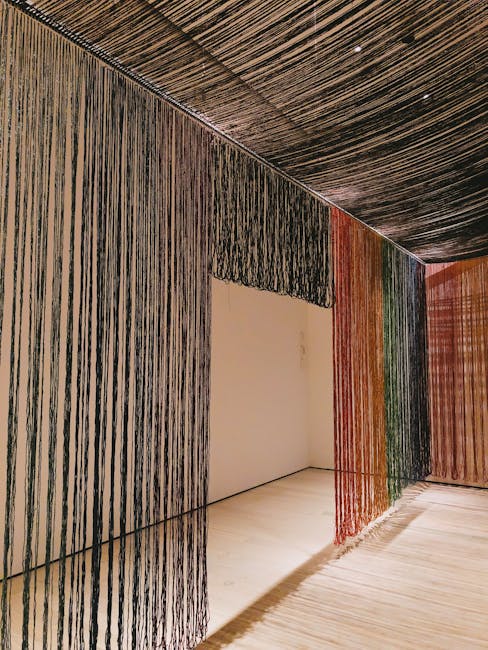
Exhibition design at MAMbo is often aimed at transforming the space: large galleries welcome monumental sculptures or multimedia works, while pods or dark rooms host video and sound experiences. Curators frequently collaborate with Italian and international artists to tackle topical issues — memory, technology, migration and ecology. During each temporary exhibition the museum organizes guided tours in Italian and English, workshops for kids and artist talks.
Practical tips: arrive right at opening for a quieter visit and the chance to study installations up close; natural light can be limited in some rooms, so plan a coffee break at the museum cafe to process what you’ve seen. MAMbo is reachable by local tram and bus (lines serving Via Don Minzoni); plan your route with the TPER Bologna app. Groups larger than 10 should book in advance. Photography: indoor photos may be allowed without flash, but always check the signage at the entrance. The museum shop sells limited-edition items, catalogues and exhibition-related objects.
Museo Civico Archeologico and archaeological temporary exhibitions
The Museo Civico Archeologico di Bologna, housed in the former Palazzo Galvani at Via dell’Archiginnasio 2, 40124 Bologna, is a must for temporary shows that focus on archaeology and ancient history. The museum regularly stages temporary projects that combine ancient objects, educational reconstructions and recent research — a perfect mix for history buffs and families.
Opening hours (subject to seasonal changes): Tuesday–Sunday, 9:00–19:00; closed Mondays. Typical admission: full price €6, reduced €4. Some special temporary exhibitions may have separate fees or include paid activities (workshops, guided tours). The museum often offers multilingual audio guides and themed routes to help contextualize the objects on display.
Temporary exhibitions here tend to explore the connections between antiquity and modern life: for example, presenting Etruscan or Roman artifacts through the lens of contemporary topics like trade, mobility or identity. The rooms for temporary shows are equipped for display cases, video projections and interactive setups. Curators frequently collaborate with local universities (Università di Bologna) and research institutes, ensuring strong scholarly foundations for the exhibitions.
Practical tips: a late-morning visit makes it easy to combine the museum with lunch in the lively university quarter nearby. Galleries generally accommodate strollers and wheelchairs, but check accessibility for each temporary exhibition (some scenography can create level changes). For enthusiasts, the reservations desk may arrange in-depth thematic visits with curators by appointment. Don’t miss the museum shop for monographs and specialist books to deepen your visit.
Fondazione Golinelli, Museo del Patrimonio Industriale and off‑the‑beaten‑track spaces
Bologna’s cultural scene often steps outside traditional museum formats, with foundations and industrial museums turned into venues for temporary exhibitions. Fondazione Golinelli, at Via Paolo Nanni Costa 14, 40133 Bologna, develops multidisciplinary projects blending art, science and education. Its temporary shows emphasize interaction and hands-on participation, often geared toward families and young audiences.
Fondazione Golinelli opening hours: typically Tuesday–Friday 9:00–18:00, weekends depending on programming; prices vary, workshops are usually paid (around €5–€15 depending on the activity). Temporary exhibitions here are designed around interaction and experimentation — sensory installations, living labs and playful routes that push the visit beyond passive observation.
Another key site is the Museo del Patrimonio Industriale, Via della Beverara 123, 40131 Bologna. Housed in a former industrial hall, it hosts temporary exhibitions on design, industry and the city’s economic history. Opening hours: Wednesday–Sunday 10:00–18:00; typical admission: full €8, reduced €5. Temporary shows often stage machines, tools and materials in ways that create a striking contrast between industrial heritage and contemporary design practices.
Practical tips: pair visits to these venues with a coffee in the neighborhood or a stop at the Mercato delle Erbe for local bites. Temporary exhibitions here are frequently accompanied by workshop programs for adults and children — great for families. Wear comfortable shoes: some industrial spaces retain uneven floors and large volumes that invite wandering. Most temporary shows offer materials in English, but call or consult official sites to book workshops in other languages.
Palazzo Re Enzo, Biblioteca Salaborsa and temporary exhibitions in the historic center
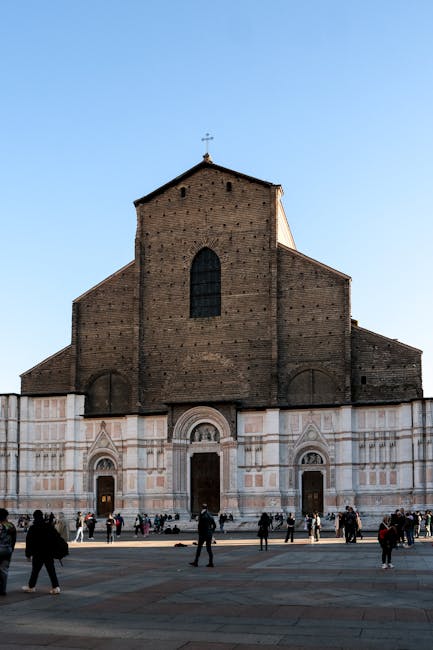
Bologna likes to host temporary exhibitions inside historic venues that add a unique narrative layer to each project. Palazzo Re Enzo, on Piazza del Nettuno 1, 40124 Bologna, is sometimes converted into exhibition space for temporary events and installations. The medieval palace, smack in the city center, provides a spectacular setting — vaults, historic rooms and views over Piazza Maggiore — that transforms how contemporary work is perceived.
Hours and prices for temporary exhibitions at Palazzo Re Enzo vary widely by event: check the Città di Bologna or Comune di Bologna program. These shows are often free or modestly priced (€3–€8) when part of municipal programming, though private events may charge more. The main advantage is the central location: after a visit you can easily wander to Piazza Maggiore, the Fountain of Neptune, or Galleria Cavour.
Biblioteca Salaborsa, at Piazza del Nettuno 3, 40124 Bologna, is another lively venue for temporary exhibitions, often dedicated to photography, graphic arts or civic projects. The library combines reading, public talks and exhibitions, offering a more participatory and local approach. Hours: usually Tuesday–Sunday 9:00–20:00; exhibitions are often free, with some paid events. Temporary shows at Salaborsa are perfect for combining cultural discovery with a quiet reading break or access to local archives.
Practical tips: when visiting these central spots expect heavy tourist flows in high season; favor mornings or late afternoons on weekdays. The terraces and cafes around Piazza Maggiore offer great views and sound options for a break between exhibitions. Photography and recording may be restricted in some historic spaces — follow the rules and don’t touch installations. Also look into themed guided tours run by local tourist offices, often available in English and useful for placing exhibitions within Bologna’s urban history.
Practical tips for enjoying temporary exhibitions in Bologna
Planning your temporary-exhibition route in Bologna will maximize both time and enjoyment. Concrete recommendations: always check official sites (museums, foundations, Comune di Bologna) for opening hours and unexpected closures; book tickets online when possible, especially for popular openings; choose weekday mornings to avoid crowds; and look for combo tickets that include multiple museum spaces and can save you money.
Getting around: the historic center is very walkable, but to reach MAMbo or the Museo del Patrimonio Industriale use the TPER bus and tram network. Nearby stops for the museums mentioned: Piazza Maggiore / Via Ugo Bassi for the center, Via Don Minzoni for MAMbo, Via della Beverara for the Museo del Patrimonio Industriale. Renting a bike can be pleasant outside the historic core where streets are wider; pay attention to limited-traffic zones (ZTL) that penalize unauthorized cars.
Tickets and discounts: carry an ID for reduced fares (students, seniors, groups); ask about combined tickets. Many temporary exhibitions offer family rates or reduced-price workshops. International visitors should check whether the Bologna Welcome Card or other tourist passes include discounts for temporary museum shows.
Language and accessibility: major museums provide English captions and sometimes audio guides. For more specialized exhibitions, it helps to read materials in Italian or request an English-language guide. Verify accessibility info for people with reduced mobility — most modern museums have elevators and accessible routes, but some historic palaces may have limitations.
Food and breaks: take advantage of museum cafes and covered markets like Mercato di Mezzo or Mercato delle Erbe for a quick lunch between exhibitions. Try local specialties: lasagne alla bolognese, tagliatelle al ragù and mortadella. Bring water and wear comfortable shoes: temporary exhibitions often invite long periods of wandering.
Conclusion: Embrace Bologna’s cultural ephemera
Temporary exhibitions in Bologna offer a valuable window onto the city’s cultural vitality. They deliver distinctive experiences that shift how you view permanent collections, reactivate historic sites and put new life into repurposed industrial spaces. Visiting MAMbo, the Museo Civico Archeologico, Fondazione Golinelli, the Museo del Patrimonio Industriale or central venues like Palazzo Re Enzo and Biblioteca Salaborsa gives you the chance to see short‑run projects that set past and present, science and art, heritage and avant‑garde in conversation.
To get the most from these exhibitions, plan ahead — check hours and prices, book when necessary, balance museum visits with tasty breaks, and above all take time for the mediation offered: talks, guided tours and workshops. Temporary shows are also opportunities to meet locals, students and researchers, which makes each visit richer and more contextual. Bologna, with its millennial university tradition, cultural independence and love of debate, often turns these exhibitions into meeting places and forums for thought.
Finally, remember that the ephemeral attracts the curious but also asks for flexibility: an exhibition closing tomorrow might return in another form, and a current project can have a lasting influence on the local scene. Let yourself be surprised, note your favorites and, if you come back, trace links between past shows and new proposals. Bologna awaits with a constantly moving cultural program: bring back impressions, photos (respecting the rules) and, above all, a curiosity for the unexpected.