


Introduction: The Hidden Charms of Bologna’s Music Museum
In the heart of Bologna — a city of arcades, centuries-old universities and generous cuisine — lies a place that breathes the sonic history of Italy and Europe: the Museo Internazionale e Biblioteca della Musica di Bologna, commonly called the Museo della Musica. This museum is more than a collection of antique instruments; it’s a living story of the sounds that shaped Bologna’s and Europe’s cultural life. Step through its doors and you leave the bustle of the shaded porticoes for an experience where every object, every score and every display case narrates a time, a gesture, a musical revolution.
Contenu de l'article
The museum’s strength lies as much in the quality of its holdings — legendary workshop violins, rare keyboards, original manuscripts — as in the way they’re presented: thematic sequences, sound staging and chronological routes. Here, the voice isn’t limited to printed scores; you’ll find performers’ testimonies, historic recordings and interactive setups that let you hear reconstructed sounds. Visitors often feel like they’re in a living library, where blank pages come alive at the press of a button or when you lean in to a display case left open to listen.
Beyond the artistic side, the Museo della Musica opens a window onto craftsmanship: the history of Bolognese and Italian luthiers, the techniques for making stringed instruments, wood selection and varnishing processes — everything is well documented and explained. This blend of know-how and scholarly culture makes the museum an educational space for musicians, luthiers, students and the simply curious. It’s also a perfect stop for anyone planning to attend nearby operas or concerts, since the museum sits within easy distance of the city’s historic venues.
Finally, a visit to the Museo della Musica comes with practical tips — best time slots to avoid crowds, literary cafés nearby where you can extend musical conversations over an espresso. In this article I’ll unveil the museum’s secrets: must-see rooms, standout objects, useful addresses, opening hours and ticket info, plus practical tips to make your visit richer and more immersive. Whether you’re a seasoned music lover, an inquisitive traveler or an aspiring luthier, this detailed guide will help you get the most out of your dive into Bologna’s sound world.
History and Architecture: The Building, the Collection and Its Origins
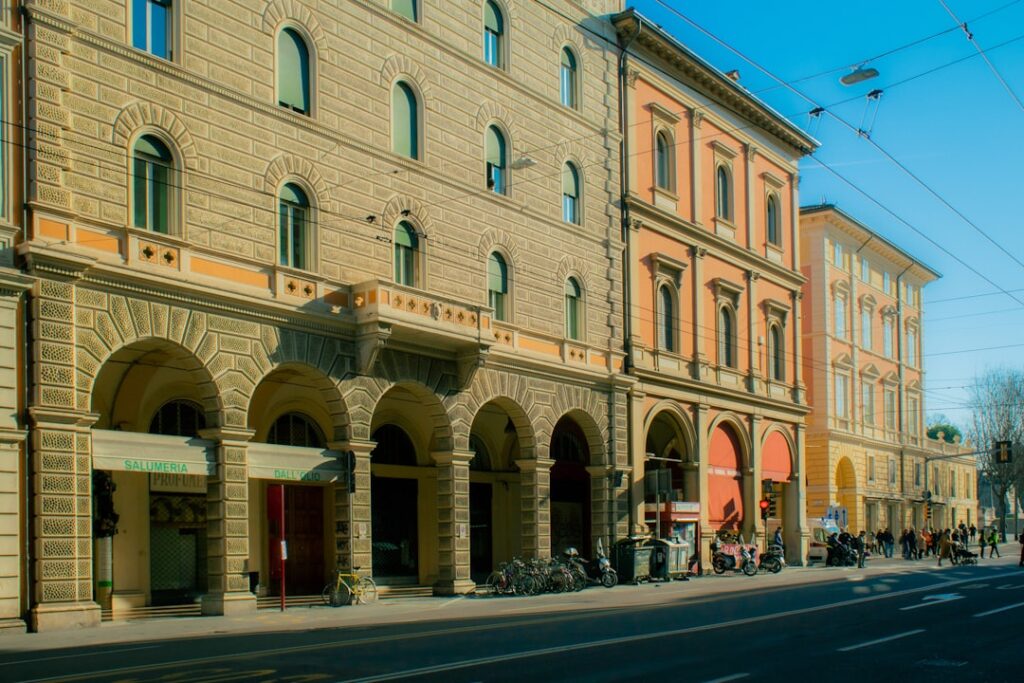
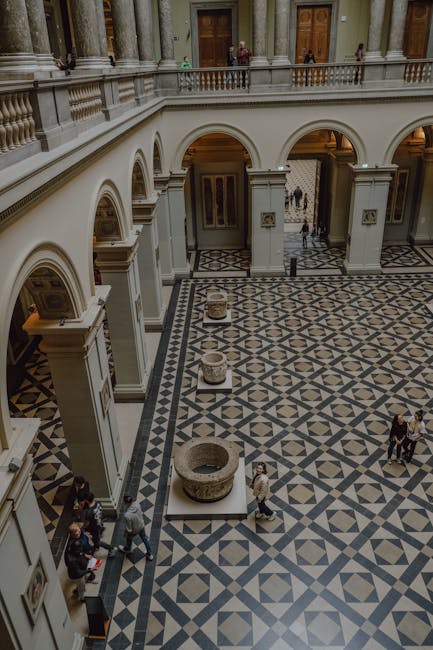
The Museo Internazionale e Biblioteca della Musica di Bologna traces its roots to private collections, bequests and university archives that gradually found a home in a historic building redesigned to host instruments, scores, manuscripts and musical iconography. The structure retains classic Bolognese architectural elements — brick vaults, inner courtyards and tall windows — offering a discreet, solemn setting for the sound treasures within.
The collection includes string instruments, keyboards, historical brass, rare woodwinds and ethnomusicological items that reflect Bologna’s commercial and cultural exchanges with the rest of Italy and Europe. Among the most remarkable pieces are violins from Italian schools, elaborately decorated 17th-century harpsichords, and autograph manuscripts by local composers. The library preserves rare scores, first editions and correspondence from performers and composers — sources that help explain how musical practices evolved.
Architecturally, the museum has been redesigned to ease movement between thematic rooms and to provide individual listening facilities: headphones built into display cases, listening booths for archive recordings and multimedia terminals that recreate historical sounds through digital reconstructions. Routes are often organized into chapters — “Voice and Liturgy,” “String Instruments,” “Luthiers and the Workshop” — so you can follow either a chronological or thematic visit depending on your interests.
Practical tip: architecture enthusiasts should ask to see the inner courtyard and the temporary exhibition room — these spaces offer fresh perspectives on how contemporary interventions are integrated with the historic fabric. The museum occasionally runs specialist guided tours for groups and conservators. Check ahead and book if possible, especially in high season (April–October).
 Click here to discover the Archiginnasio with a guided tour
Key Collections and Rare Pieces: Don’t Miss These
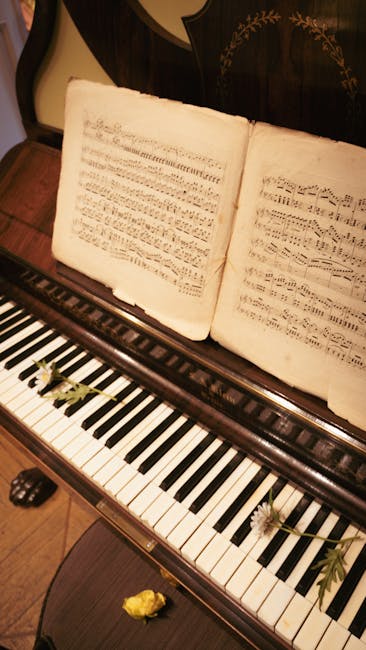
As you wander the Museo della Musica, several items immediately draw attention and deserve extra time. Highlights include violins and viols from 17th- and 18th-century Italian workshops, recognizable by their warm varnishes and fine workmanship. Many of these instruments still bear workshop labels or ownership marks, evidence of transmission across generations. The often lavishly decorated harpsichords embody the learned baroque tradition, while autograph scores — sometimes annotated by the composers themselves — offer a direct glimpse into the creative process.
Another museum treasure is its collection of instruments with rare mechanisms: early piano actions, hybrid harpsichords and historical tempo devices. These objects provide valuable clues about the technical developments that allowed Western music to reach ever greater expressive range. Display panels explain the materials used, technical innovations and the contexts in which instruments were employed (salon, theater, church).
The sound archives also deserve special attention: 78 rpm recordings, magnetic tapes and early discs let you hear period performances that no longer exist live today. The museum regularly rotates audio excerpts in its rooms, adding an essential listening dimension to the visual experience.
Practical tip: allow at least 90 minutes if you plan to listen to the audio excerpts and read the detailed labels. Use the multimedia terminals to compare instruments — for example, a baroque violin versus a modern violin — so you can hear the differences in timbre. Borrow an audio guide if available (often included with admission or offered for around €3–5). Photography without flash is usually permitted, but check the signs for restrictions on fragile pieces.
Tours, Workshops and Concerts: Experience Music Up Close
The Museo della Musica is more than a display space; it’s active and vibrant. The cultural program features intimate concerts, lectures, lutherie workshops and encounters with researchers. Concerts, often held in small rooms or the inner courtyard, let you hear the instruments in their context — an experience that deepens your understanding of the displayed objects. Check the museum calendar for themed concerts, especially those focused on baroque, romantic repertoire and historically informed performances.
Luthier workshops offer a rare opportunity to watch artisans working on instruments in restoration: table repairs, bridge adjustments, re-varnishing. Sessions are led by professional restorers who explain traditional techniques and the ethical constraints of conservation. Workshops often require reservation and can be fee-based (roughly €10–20 for a guided session). Local music schools and the Università di Bologna frequently collaborate with the museum on masterclasses and student projects.
For families, the museum runs game-based trails and educational workshops for children (reduced rates or included with admission). These activities let younger visitors handle replica instruments, experiment with simple rhythms and learn composition basics. Tip: book workshops in advance because interactive sessions fill up fast, especially on weekends.
Practical hours and prices (indicative): general admission around €8.00, reduced €5.00 (students, seniors), free for under-6s and occasionally free for city residents during special events. Typical opening hours: Tuesday–Sunday, 9:30 AM–5:30 PM, closed Mondays. Concerts and workshops have varying schedules — consult the official site or the museum box office for exact times. The museum often offers combined tickets with other Bologna Musei institutions.
Practical Information: Address, Transport, Reservations and Local Tips
To plan your visit, here are the essential details. Full name: Museo Internazionale e Biblioteca della Musica di Bologna. Address: Via dell’Indipendenza 22, 40121 Bologna, Italy. (Note: always double-check the address and contact info on the official site or ticketing page before you go — museums sometimes relocate temporarily for renovations or traveling exhibitions.)
Getting there: the museum sits in the historic center and is a walkable 8–12 minutes from Piazza Maggiore. If you arrive by bus, use ATC urban lines serving the central station (Stazione di Bologna Centrale); from the station it’s about a 15–20 minute walk. For drivers, parking in the center is limited — opt for park-and-ride facilities or the Piazza VIII Agosto multi-storey car park or the Staveco lot near the station, then continue on foot or by public transport.
Reservations and tickets: booking online is recommended to secure entry to temporary exhibitions or concerts. For guided groups and workshops, advance reservation (by email or phone) is often required. Tickets can be bought on site (card payment accepted), but expect queues in high season (May–September).
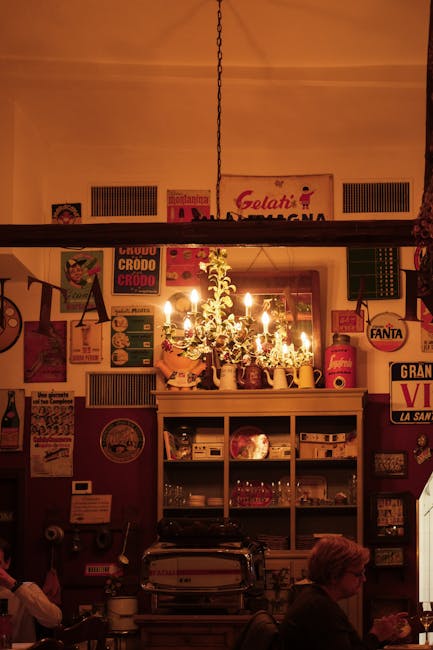
Local tips: bring a light scarf even in summer if you’re sensitive to temperature changes — exhibition rooms can be air-conditioned or climate-controlled to preserve instruments. Respect photo rules and don’t use flash. Take a break at the museum café (if open) or wander the nearby streets to savor tortellini in brodo or a cappuccino in a historic bar. Pair your visit with a walk to the Teatro Comunale di Bologna (Via dei Mille, 10, 40121 Bologna) for an evening of opera or orchestra — rehearsal tickets are sometimes available at reduced prices.
Click here to explore Bologna’s historic center on foot
Conclusion: Why the Museo della Musica Deserves a Spot on Your Bologna Itinerary
The Museo Internazionale e Biblioteca della Musica di Bologna is far more than a repository of old instruments: it’s a living center where history, craft and the sensual experience of music meet. Walking through its rooms you realize each object bears witness to human practices — whether it’s a luthier shaping a soundboard or a composer revising a score. The museum offers a full-spectrum reading of music, from material instruments to interpretive cultures, sound archives and historical documents.
For travelers, a visit is an original way to complement your exploration of Bologna: after climbing the leaning towers, strolling the porticoes and sampling local cuisine, the museum provides an intimate cultural highlight often less crowded than major tourist sites. Concerts and workshops turn a passive visit into an active experience, helping you grasp the value of an instrument and the logic of a musical era. The practical tips here — hours, prices, reservations — are meant to help you optimize your visit and avoid surprises.
Whether you’re a musicophile, simply curious or seeking a distinctive cultural experience, give yourself enough time to listen, read and observe. Take notes, ask staff questions when you can, and treat the visit as a gateway to broader musical walks across the city: concerts at the Teatro Comunale di Bologna, masterclasses at the Università di Bologna, or thematic strolls to sites that shaped the region’s musical history. And remember: music, more than any other art form, reveals itself when experienced — so book an evening concert and let the sounds of the past accompany you through Bologna’s night.