


Introduction
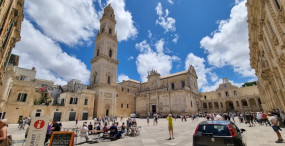
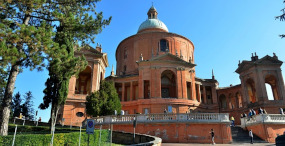
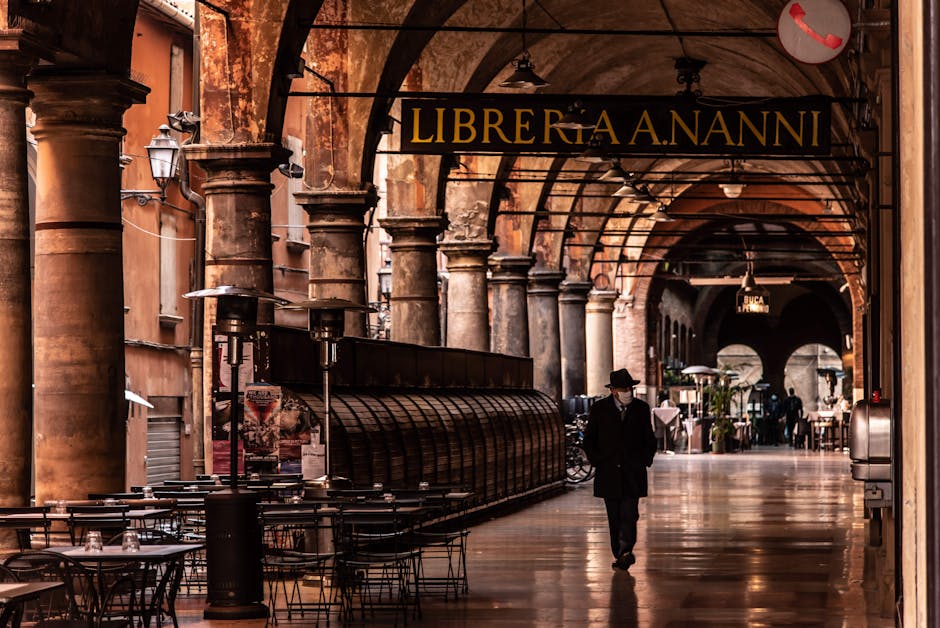
Bologna, the vibrant heart of Emilia-Romagna, is a city where history, art and modern life live side by side with quiet sophistication. Between its seemingly endless porticoes, medieval towers and bustling squares, the city packs an impressive cultural density for its size. Bologna’s museums trace centuries of artistic, scientific and social change: from medieval schools of painting to lavish Baroque works, archaeological collections revealing the layers of people who lived here, right through to contemporary labs of industrial and photographic creation. Visiting museums in Bologna is more than looking at objects — it’s a way to grasp the soul of a university city where knowledge and creativity constantly respond to one another.
Contenu de l'article
This “Top 10 Must-See Museums in Bologna” is written for curious travelers who want cultural immersion plus practical tips: exact addresses, typical opening hours, indicative prices, suggested routes and local tricks to get the most from each site. Whether you love Italian painting, are into archaeology, a music enthusiast, or simply after striking visual experiences, this selection covers historical and contemporary museums, municipal archives and cutting-edge private centers.
Before we dive into the ten picks, a few general tips: plan visits by checking official sites because hours may change for temporary shows; favor weekday mornings to avoid crowds; consider the Bologna Welcome Card or combo tickets to save money; and don’t forget a water bottle, comfortable shoes (many museums are in historic palaces with steps) and a camera to capture details — where photography is allowed.
Finally, leave time to wander between museums: a break on Piazza Maggiore, a slice of lasagne al forno in a historic trattoria, or a stop at Mercato di Mezzo can turn a museum day into a full Bologna experience. Museums will give you the keys to read the city; the streets will provide the sensations that make Bologna so lovable. Let’s explore the list, museum by museum.
1. Pinacoteca Nazionale di Bologna
Address: Via delle Belle Arti, 56, 40126 Bologna BO
Opening hours: Tuesday–Sunday 10:00–18:00 (closed Monday, times may vary for exhibitions)
Admission: Full €8.00 / Reduced €4.00 (students, seniors, local rates possible)
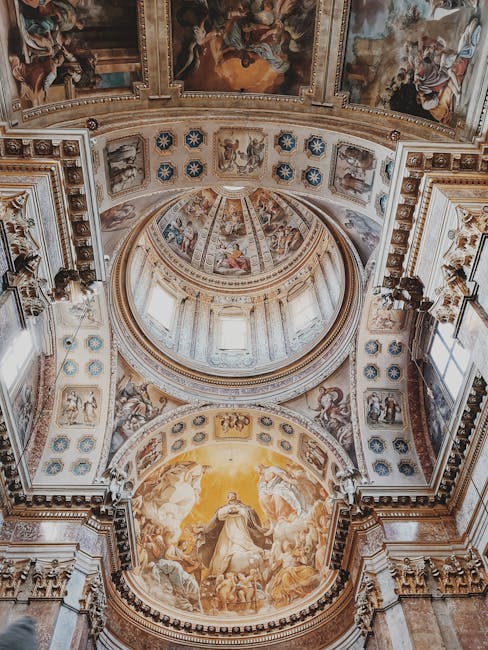
The Pinacoteca Nazionale di Bologna is the temple of Bolognese painting: Renaissance and Baroque masterpieces by the likes of Raphael, il Guercino, the Carracci and Guido Reni. Housed in a luminous palace, the collection highlights the region’s stylistic evolution between the 14th and 18th centuries. Rooms are arranged in a didactic way, making it easy to follow the links between workshops and schools. Don’t miss the altarpieces, portraits and religious narrative cycles that show Bologna’s role as an artistic crossroads.
 Click here to book a guided tour of Bologna with a certified guide
Practical tip: Buy your ticket online to skip the line and make use of audio guides available in several languages. Thematic guided tours (portrait, landscape, religious art) are often held at weekends.
2. MAMbo – Museo d’Arte Moderna di Bologna
Address: Via Don Giovanni Minzoni, 14, 40121 Bologna BO
Opening hours: Wednesday–Monday 11:00–19:00 (closed Tuesday; times may vary for concerts and openings)
Admission: Full €10.00 / Reduced €6.00
MAMbo is Bologna’s nerve center for contemporary art. Housed in a renovated former industrial building, the museum features a changing lineup of temporary shows, multimedia installations and participatory projects. The industrial spaces provide a generous stage for large sculptures and video works, and the curating often emphasizes interaction. MAMbo charms with its boldness and its ability to bring local and international artists into conversation.
Click here to discover Bologna’s architecture with a guide

Practical tip: Check the program before you go: openings and artist talks can change visiting hours. Take a break at the museum café for a creative pause.
3. Museo Civico Archeologico di Bologna
Address: Via dell’Archiginnasio, 2, 40124 Bologna BO
Opening hours: Tuesday–Sunday 9:00–19:00 (closed Monday)
Admission: Full €6.00 / Reduced €3.00
The Museo Civico Archeologico presents the ancient history of Bologna and the Emilia-Romagna region: Etruscan, Roman and Gallo-Roman collections, mosaics, stelae and everyday objects. The displays emphasize urban stratigraphy, showing how the modern city was built atop ancient remains. Epigraphy fans will find treasure in the inscription rooms, which hold artifacts that tell the story of ancient cultural exchanges.
Practical tip: Combine your visit with the nearby Archiginnasio and its splendid anatomical theater. Families will appreciate the educational sheets and workshops offered during school holidays.
Click here to book a guided tour of the historic Archiginnasio
4. Museo di Palazzo Poggi (Museum of Science)
Address: Via Zamboni, 33, 40126 Bologna BO
Opening hours: Tuesday–Sunday 9:00–18:00
Admission: Full €5.00 / Reduced €3.00
Palazzo Poggi, the historic seat of the University of Bologna, houses exceptional scientific collections: cabinets of curiosities, astronomical instruments, anatomical collections and the famed Specola (astronomical observatory). The academic spirit is tangible at every turn: models, scientific drawings and educational displays tell the story of the natural and experimental sciences in Italy. It’s a museum where the history of ideas takes on a tangible form — perfect for visitors fascinated by the crossroads of art and science.
Practical tip: The visit is often richer in small groups; ask about thematic guided tours (astronomy, anatomy, botany) for a more immersive approach.
Click here to book a private tour of the oldest university
5. Museo della Storia di Bologna – Palazzo Pepoli Campogrande
Address: Via Castiglione, 8, 40124 Bologna BO
Opening hours: Tuesday–Sunday 10:00–19:00
Admission: Full €6.50 / Reduced €4.00
Housed in the Baroque palace of Pepoli Campogrande, the Museo della Storia di Bologna (Museum of the City) offers an extensive multimedia route that traces urban history from its origins to the 20th century. Maps, films, models and objects bring Bologna’s transformation to life: the walls, the university, the guilds and the city’s political role. It’s an ideal visit to grasp the historical context before exploring the city on foot.
Click here to explore Bologna’s historic center with a guide

Practical tip: The visit is especially pleasant on rainy days thanks to the multimedia displays; take time to climb to the terraces when open for another perspective on the medieval quarter.
6. Collezioni Comunali d’Arte – Palazzo d’Accursio
Address: Piazza Maggiore, 6, 40124 Bologna BO
Opening hours: Tuesday–Sunday 9:00–19:00
Admission: Full €4.00 / Reduced €2.00
The Collezioni Comunali d’Arte, located in the iconic Palazzo d’Accursio on Piazza Maggiore, gather paintings, sculptures and decorative objects owned by the city. Works displayed in the palace’s official rooms tell both civic and artistic history: portraits of magistrates, votive panels and decorative pieces illustrating the splendors and challenges of urban governance.
Click here to discover Bologna city center on foot

Practical tip: Use the museum’s central location to continue with a visit to the Basilica di San Petronio and a coffee on the square. Check whether temporary exhibitions complement the permanent collection.
7. Museo del Patrimonio Industriale
Address: Via della Beverara, 123, 40131 Bologna BO
Opening hours: Wednesday–Sunday 10:00–18:00 (closed Monday–Tuesday)
Admission: Full €5.00 / Reduced €3.00
Located in a former industrial area, the Museo del Patrimonio Industriale recounts Bologna’s manufacturing history: textile machines, mechanical prototypes, and archives from local companies. It’s a lively museum that highlights the links between technical innovation, society and the urban landscape. Many machines are demonstrated in motion during scheduled shows, making the visit very tangible.
Practical tip: Industrial photography enthusiasts will find fascinating subjects; check the mechanical demonstration days to see machines working.
Click here to book a tour of the motor valley
8. MAST – Manifattura di Arti, Sperimentazione e Tecnologia
Address: Via Speranza, 42, 40128 Bologna BO
Opening hours: Wednesday–Sunday 10:00–19:00
Admission: Paid exhibitions €7.00 / Some rooms and events free
MAST is a cultural center and contemporary photography laboratory born from industrial repurposing. With an international program in photography, design and visual arts, MAST hosts immersive exhibitions in clean, open spaces. Projects often tackle work, technology and social change, directly linked to the region’s industrial history.
Practical tip: Check the schedule for artist residencies and screenings: MAST regularly holds bilingual talks and workshops.
Click here to join a photographic tour of Bologna
9. Museo Internazionale e Biblioteca della Musica
Address: Strada Maggiore, 34, 40125 Bologna BO
Opening hours: Tuesday–Sunday 9:30–13:00 and 14:30–17:30
Admission: Full €4.00 / Reduced €2.00
Set in a historic palace, this museum celebrates Bologna’s musical heritage: scores, historic instruments, artists’ letters and a specialized library. Recordings, sound exhibits and regular concerts bring the place to life, offering a multisensory experience. For music lovers, it’s a must-see to understand the importance of Bologna’s musical tradition and its composition schools.
Click here to book a tour of Bologna’s churches and cathedrals

Practical tip: Check times for short midday or evening concerts — they’re often free or low-cost — to listen to pieces played on historic instruments.
10. Museo Ebraico di Bologna (Jewish Museum of Bologna)
Address: Via dell’Osservanza, 1, 40122 Bologna BO
Opening hours: By reservation for guided visits; hours vary (check online)
Admission: Guided visits €5.00–€8.00 per person depending on format
The Museo Ebraico documents the history, culture and contributions of the local Jewish community. Through ritual objects, photographs, testimonies and archival documents, the museum paints a vivid portrait of religious traditions and social history, including the dramatic episodes of the 20th century. Visits are often guided, providing essential historical and human context to understand the community’s place in Bologna’s urban tapestry.
Click here to discover Bologna’s Jewish history on a tour

Practical tip: Book a guided visit in advance and, if possible, combine it with a stroll through the neighborhood to spot synagogues, memorials and historical plaques.
Conclusion
Touring Bologna’s museums is a way to trace a route through the city’s many faces: sacred art and studio painting, contemporary avant-garde, science and industry, music and collective memory. This selection of ten must-see museums strikes a balance between major cultural landmarks and more specialized institutions, each offering a distinct angle to understand Bologna’s richness. Each museum reveals a facet: the Pinacoteca highlights regional artistic continuity; MAMbo and MAST challenge current creative trends; the Museo Civico Archeologico and Palazzo Poggi remind us of ancient roots and scientific curiosity; while the city, music and industrial heritage museums tell the story of civic life and social change.
To make the most of your stay: plan ahead and book online, favor weekday mornings at the busiest sites, use combo tickets when available, and don’t skip interpretative tools (audio guides, guided tours, workshops) that deepen the experience. Finally, leave time to walk between museums — often it’s the facades, squares, cafés and markets that provide the sensory punctuation that makes your visit unforgettable. Bologna should also be discovered with the senses: smell the spices at the market, taste tagliatelle al ragù, listen in on a corner of university conversation and let the museums illuminate your stroll. Enjoy your cultural journey in Bologna — may each museum open a new window onto this fascinating city.