


Introduction — Diving into Bologna’s Medieval Art
Bologna, the capital of Emilia-Romagna, is often celebrated for its hearty cuisine, endless porticoes, and centuries-old university. Less obvious at first glance, it’s also a trove of medieval art and architecture, with powerful traces of faith, craftsmanship, and political influence from the 12th to the 15th centuries preserved in museums, basilicas, and oratories. If you’re planning a trip focused on medieval art, Bologna offers an intimate experience: works are not always displayed like in the big capitals, but woven into the urban fabric — in chapels, cloisters, municipal collections, or palaces turned museums. It’s a city where you can spot polychrome fresco fragments beneath a portico, study funerary sculptures of saints and patrons up close, and stumble upon illuminated manuscripts in a historic library.
Contenu de l'article
Visiting Bologna for its medieval art takes a bit of planning: the sites are numerous but often small, opening times vary with the season, and combined tickets or reservations are recommended to make the most of your day. This guide points you to exact addresses, ticket prices, opening hours and gives practical tips to enjoy each spot — from the Museo Civico Medievale, the core of the municipal medieval collection, to basilicas rich in chapels and frescoes, and lesser-known places like the Archiginnasio and hidden oratories. We’ll detail what to see in each place, how to reach them (on foot, by bus or from the central station), and how to build a logical route that maximizes discoveries without exhausting you.
Whether you’re an amateur historian, a photographer chasing the special light of medieval interiors, or a curious traveler, this guide offers immersive descriptions to help you feel the atmosphere of each work and concrete advice: the best times of day to visit, where to buy tickets, what to wear to enter certain chapels, and which cafés or grocers nearby are perfect for an authentic break. You’ll also find visual cues
intuitive enough to spot scenes worth photographing and to plan your itinerary. Let’s set off through Bologna’s medieval heart, where stone and pigment tell centuries of human stories.
Museo Civico Medievale — The Heart of the Medieval Collections
The Museo Civico Medievale is the essential first stop to understand Bologna’s medieval art. Address: Strada Maggiore, 4, 40125 Bologna BO. The museum preserves sculptures, architectural fragments, ivories, armor, seals and liturgical objects covering the Early to Late Middle Ages. The permanent display is organized chronologically and thematically: you’ll move from Romanesque carved material to Gothic altarpieces and everyday objects, with labels in Italian and often in English.
Opening hours: Tuesday to Sunday 9:00–19:00 (closed Monday). Admission: full price €8.00, reduced €5.00 (students and seniors), free for under-18s. Guided tours in English are regularly offered (check the official site or the ticket office); allow about 60–90 minutes for a full visit. The museum map lets you alternate between densely informative rooms and rest areas, useful for appreciating the delicate details of sculptures and ivories.
Highlights: the vermeil reliquary, richly carved Romanesque capitals, and a collection of armor and tools that also illustrate civilian and military life. The displays emphasize medieval polychromy — look for paint traces on stone and preserved pigment samples. For photographers, the zenithal lighting in some rooms provides ideal contrast to capture stone texture. Practical tip: arrive in the morning to avoid school groups and rent the audio guide if available; these devices point out iconographic details that might slip past a quick glance.
Access: a 10-minute walk from Piazza Maggiore, or bus lines 20 and 25 stop at “Strada Maggiore / Via de’ Carbonesi.” Plan a combined visit with the Archiginnasio (Piazza Galvani, 1), 5–7 minutes on foot, often available with bundle pricing.
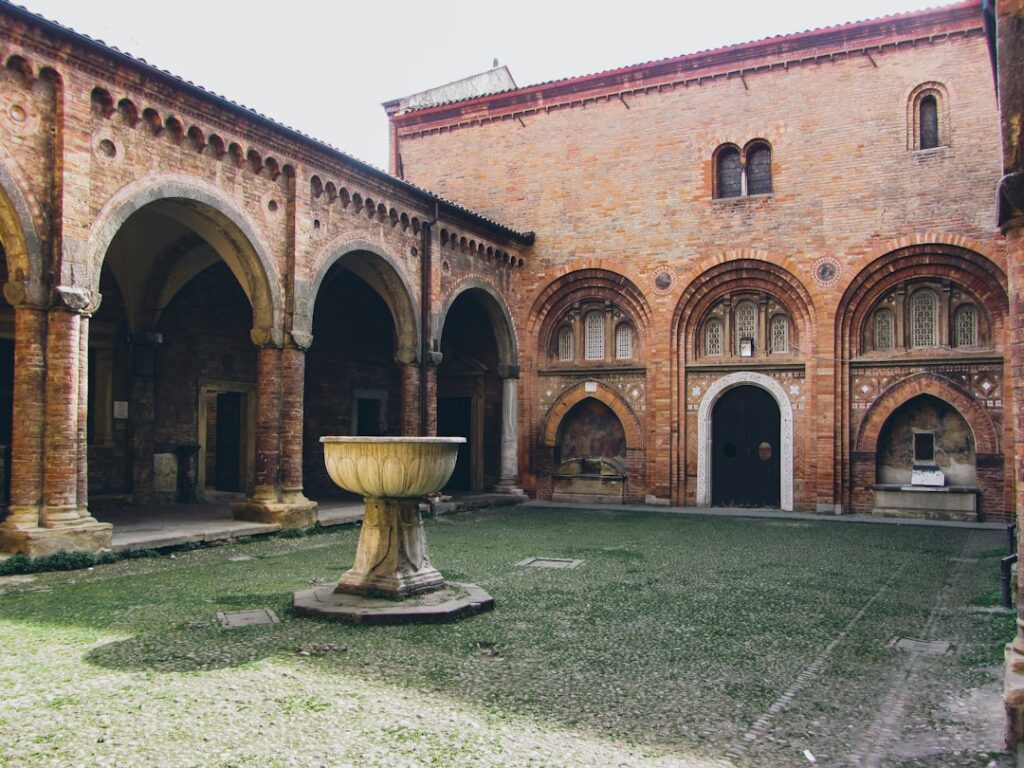
After your visit, stroll along Strada Maggiore and enjoy a coffee nearby; the area is full of little trattorie where you can try a lasagna Bolognese before you move on.
Pinacoteca Nazionale di Bologna and Medieval Altarpieces
The Pinacoteca Nazionale di Bologna, located in Palazzo Pepoli at Via delle Belle Arti, 56, 40126 Bologna BO, is essential for anyone seeking medieval and proto-Renaissance paintings from the region. Housed in an elegant palace, the gallery presents a rich collection of works by Emilia’s masters, with panels and altarpieces that show the shift from Byzantine styles to International Gothic and the emerging naturalism of the 15th century.
Opening hours: Tuesday to Sunday 8:30–19:00 (closed Monday). Admission: full €6.50, reduced €4.00 (ages 18–25 and seniors), free for under-18s. Temporary exhibitions and thematic tours on medieval painting are regularly organized, including sessions on tempera techniques and gilding. The Pinacoteca is also well-equipped for research: detailed sheets, close-up views of panels and sometimes tactile guides for visually impaired visitors.
What to study: the delicacy of gold backgrounds and the layering of paint; get close to study the application of gold leaf, tempera craquelure, and the painter’s corrections. Notable works include panels by Vitale da Bologna and other local artists, as well as pieces whose religious iconography reflects medieval popular devotion (Madonna and Child, Passion cycles, angelic musicians). The gallery explains artistic commissions by communes, confraternities and powerful families — essential context to understand why a scene was painted a certain way.
Practical tips: pair the Pinacoteca visit with a walk in Giardino della Montagnola (5 minutes on foot) for an outdoor lunch. Book tickets in advance in high season (May–September); educational workshops often sell out. Photographers: no flash, please, and favor morning hours for soft light streaming through the palace’s skylights. The neighborhood also hosts specialist art-history bookshops where you can find detailed catalogs of the collections.
Basilica di San Petronio and Complesso di Santo Stefano — Frescoes, Chapels and Sacred Atmosphere
Basilica di San Petronio, located on Piazza Galvani / Piazza Maggiore, 40124 Bologna, is one of Italy’s largest Gothic churches. While its façade remains unfinished, the interior houses chapels and works that testify to medieval and Renaissance religious art. Entry to the main nave is free, but access to chapels and certain areas (the crypt, Cappella Bolognini, and the terrace) is ticketed. Indicative prices: chapels and treasury entry €3.00–5.00, terrace access €4.00–8.00 depending on the option. Opening hours: 7:00–19:00 (hours vary with masses and liturgical events).
Look for: the Cappella Bolognini and the Cappella dei Re Magi, with their fresco cycles and panels; the astronomical map set into the floor and the details of marble tombs. Although some pieces date from the Renaissance, many revive medieval themes and techniques — symbolism, hierarchical composition, and stylized drapery. A slow visit to San Petronio reveals layers of centuries: Gothic foundations, Baroque interventions and modern restorations that aim to bring out ancient pigments.
Just a few steps away, the Complesso di Santo Stefano (Piazza Santo Stefano, 40125 Bologna) — also known as the “Seven Churches” — is a unique complex: a cluster of small churches built from an early Christian sanctuary and reshaped in the Middle Ages. Opening hours: generally 9:00–19:00, seasonal variations apply; symbolic entry fee €2.00–4.00. Here low vaults, Romanesque reliefs and small chapels keep an intimate atmosphere. The murals and sculptural fragments, sometimes only lightly restored, give a sense of archaeological discovery — ideal for anyone who prefers medieval art experienced in situ.
Tips: visit Santo Stefano in the late afternoon when warm light filters through stained glass and arcades. At San Petronio, ask in the sacristy about specialized guided tours (sometimes offered in English) that explain the astronomical and iconographic details of the floor and chapels. Access: San Petronio sits in the historic center, 5–10 minutes on foot from Bologna Centrale station; Santo Stefano is 2 minutes from Piazza Maggiore. Practical: buy a combined ticket if available to include the crypt and terrace, and avoid mass times if you want to photograph without disturbing worshippers.
Archiginnasio, Basilica di San Domenico and Oratories — More Medieval Sanctuaries to Discover
The Archiginnasio di Bologna (Piazza Galvani, 1, 40124 Bologna) was the old seat of the University of Bologna; its importance for medieval intellectual and artistic history is huge. Opening hours: 9:00–19:00 (closed Monday), full ticket €5.00, reduced €3.00. The site is famous for its wooden Anatomical Theatre (shaped by post-medieval practices) and above all for the coats of arms and inscriptions carved by medieval students. You’ll also find illuminated manuscripts and decorative fragments from medieval university life. It’s an ideal stop to understand the networks of knowledge that accompanied artistic production (commissions, iconography, theological sources).
The Basilica di San Domenico (Piazza San Domenico, 7, 40124 Bologna) houses a remarkable ensemble of medieval and Gothic sculptures and tombs, including the tomb of Saint Dominic and works by Nicola Pisano and other Italian artists. Opening hours: 8:00–19:00, free entry to the main church, with fees of €2.00–6.00 for certain chapels or guided visits. The funerary sculptures, reliefs and reliquaries trace a route between devotion and power; the stone reveals fine carving, delicate drapery and a highly codified theological iconography.
Don’t miss a few oratories and private chapels, often run by confraternities (the most famous being the Oratorio di Santa Cecilia or the Oratorio di San Filippo Neri depending on opening times). These small spaces sometimes preserve very well-conserved fresco cycles. Opening times for oratories are highly variable: most open by appointment or during cultural events. Prices: symbolic entries usually €2.00–5.00. Tip: ask the Bologna Welcome tourist office (Piazza Maggiore) for a list of oratories that are open and for thematic guided tours, since these little treasures can be closed outside guided time slots.
Practical advice for this area: wear comfortable shoes (lots of cobbles), allow time to browse specialized bookshops around Via Zamboni for exhibition catalogs, and check mass schedules so you don’t interrupt a service. Transport: these sites are walkable from the station (20–25 minutes) or reachable via city buses 21 and 25.
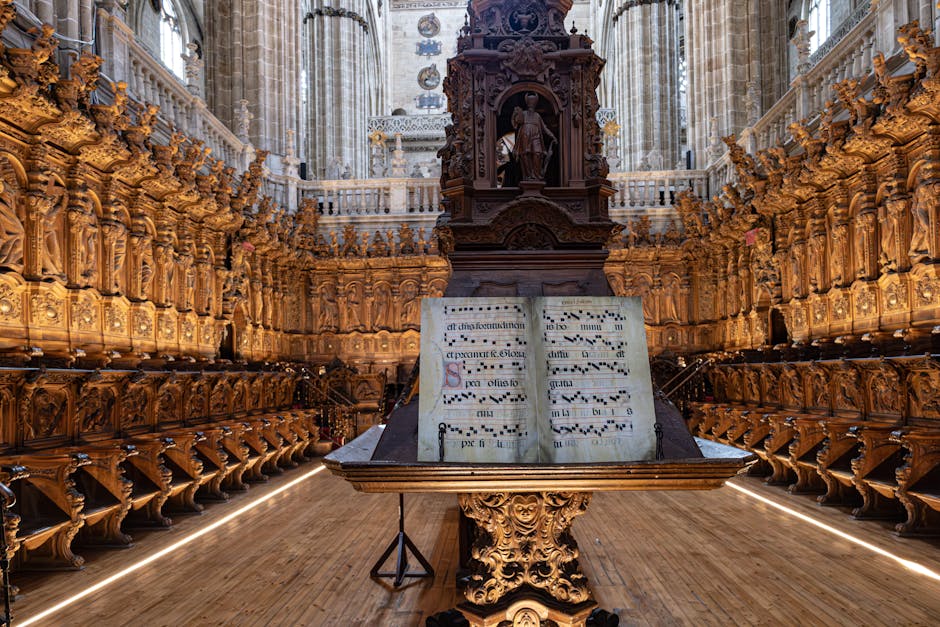
For those interested in architectural detail, a guided tour focused on medieval building techniques reveals contemporary restorations and the interventions required to preserve wall paintings.
Suggested Routes, Practical Tips and Recommended Spots
Planning one or two days devoted to medieval art in Bologna can be smooth if you structure your itinerary: morning at Museo Civico Medievale and the Archiginnasio, lunch near Strada Maggiore, afternoon at the Pinacoteca Nazionale and the Complesso di Santo Stefano, finishing the day at San Petronio and the oratories. Here are some practical tips to get the most from your stay:
- Tickets and reservations: Buy tickets online for the most popular museums (Pinacoteca, Museo Civico Medievale) in high season. Check for combined pricing (Archiginnasio + Museo Civico bundles).
- Opening hours: Museums often close on Mondays; plan accordingly. Oratories and chapels have very changeable hours — call ahead or consult Bologna Welcome for confirmation.
- Transport: Most sites in the historic center are walkable from Piazza Maggiore (10–25 minutes). Bologna Centrale station is 20–30 minutes on foot. Buses and taxis fill in the gaps: a daily TPER pass is convenient if you plan multiple trips.
- Photography: Respect the no-flash rule in museums and chapels. Ask permission for professional use; some places require a photo license (fees vary, often €10–30).
- Clothing: To enter churches, avoid bare shoulders and very short skirts/shorts; wear comfortable shoes for cobbles and narrow staircases leading to towers or terraces.
- Where to eat: Trattoria di Via delle Belle Arti and Trattoria del Rosso are popular near the Pinacoteca. For a quick espresso, stop by Caffè Zanarini near the Archiginnasio.
Useful addresses: Ufficio Informazioni e Accoglienza Turistica (IAT) Bologna Welcome, Piazza Maggiore, 40124 Bologna — handy for booking specialist guided tours; Bologna Centrale Station, Piazzale della Stazione, 40121 Bologna — a practical starting point. For maps and catalogs: Libreria Nanni, Via Marsala 14, and Libreria Coop Ambasciatori, Via degli Orefici 19.
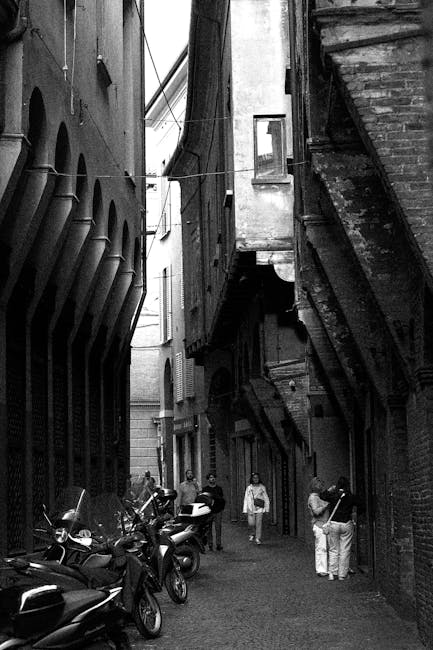
Bring a small pouch for documents, a sketchbook for notes and impressions, and, if possible, a local guide for contextual explanations that will deepen your reading of the works.
Conclusion — Bologna’s Medieval Art: A Journey Through Stone, Color and Devotion
Bologna offers a medieval art experience that combines rich collections with intimate discovery. From the focused rooms of the Museo Civico Medievale and the precious panels at the Pinacoteca Nazionale, to the restrained grandeur of San Petronio and the nearly archaeological feel of the Complesso di Santo Stefano, each visit reveals a different facet of the Middle Ages: liturgy, funerary memory, civic commissions and university learning. Bologna’s originality lies in how these elements cluster within a compact urban area, cutting travel time and encouraging serendipitous encounters — a carved capital, a painted column, a gleaming reliquary behind a grille.
Visiting Bologna for its medieval art calls for curiosity and pace: favor quality of attention over quantity of sites. Wander the museums at an unhurried pace, take time to decipher inscriptions, let the late-afternoon light guide you through churches, and don’t hesitate to ask curators or local guides questions — they often have anecdotes that bring works to life. Practically, organize your days around opening hours, book when possible and leave room for the more secret oratories that sometimes open only by appointment.
Finally, Bologna’s medieval art isn’t just to be seen — it’s to be savored and felt. Pair your visits with a tasty break in an osteria, compare a depiction of the Virgin in the Pinacoteca with that in a neighborhood chapel, and let the city’s academic atmosphere — its libraries, coats of arms and inscriptions — deepen your understanding. When you leave, take with you mental snapshots: the faded hues of a fresco, the polished surface of a funerary sculpture, the echo of footsteps in a cloister. Those impressions will linger, making your stay in Bologna a genuine immersion into a living Middle Ages, where every stone has a story.